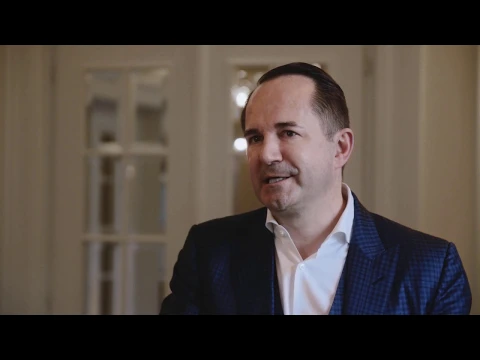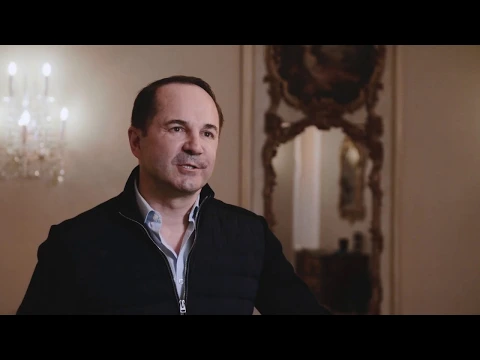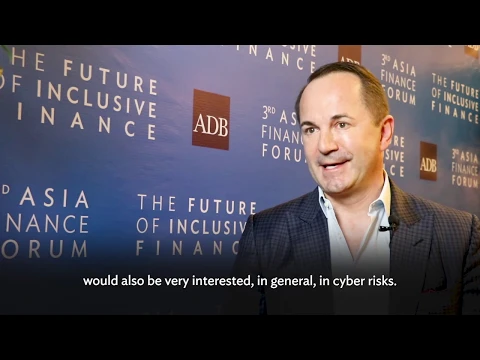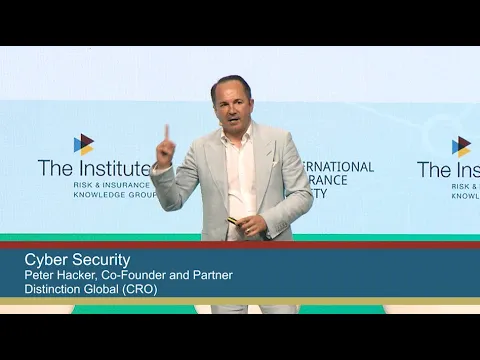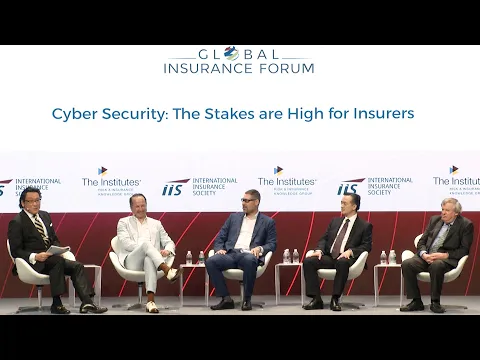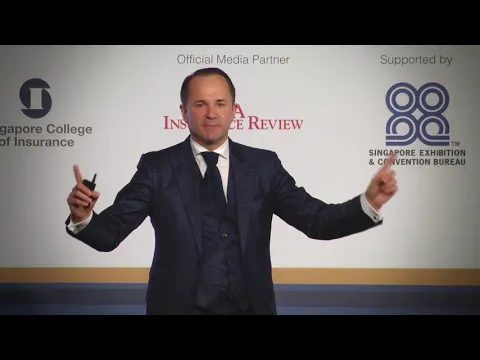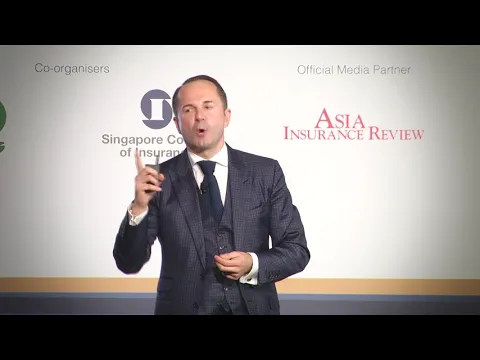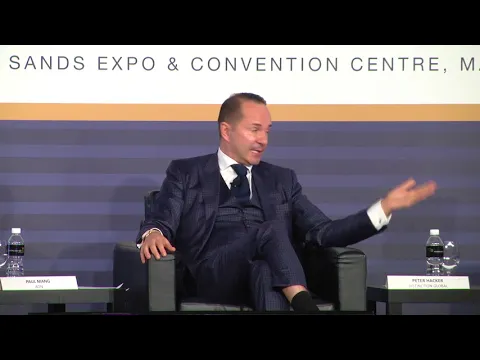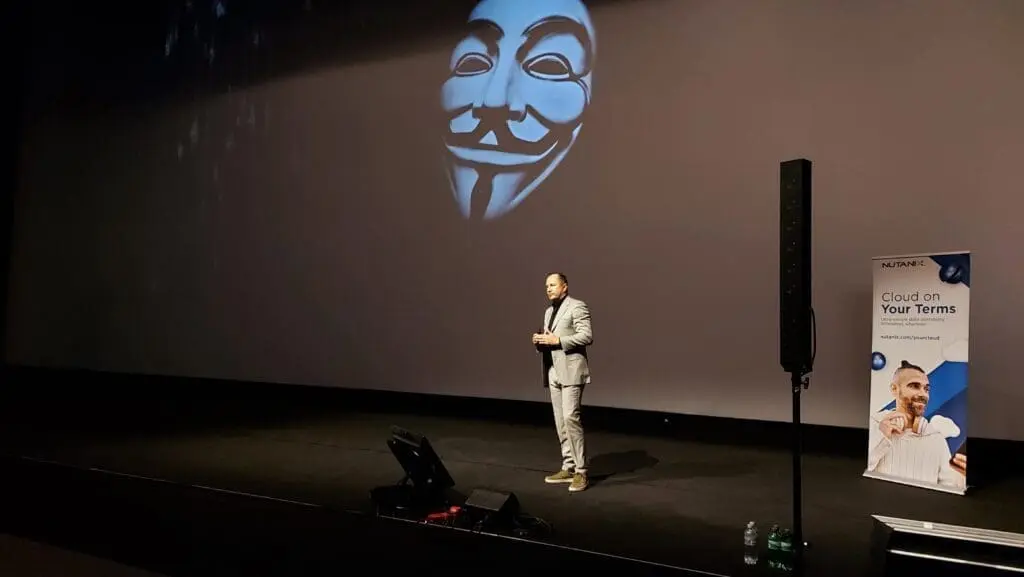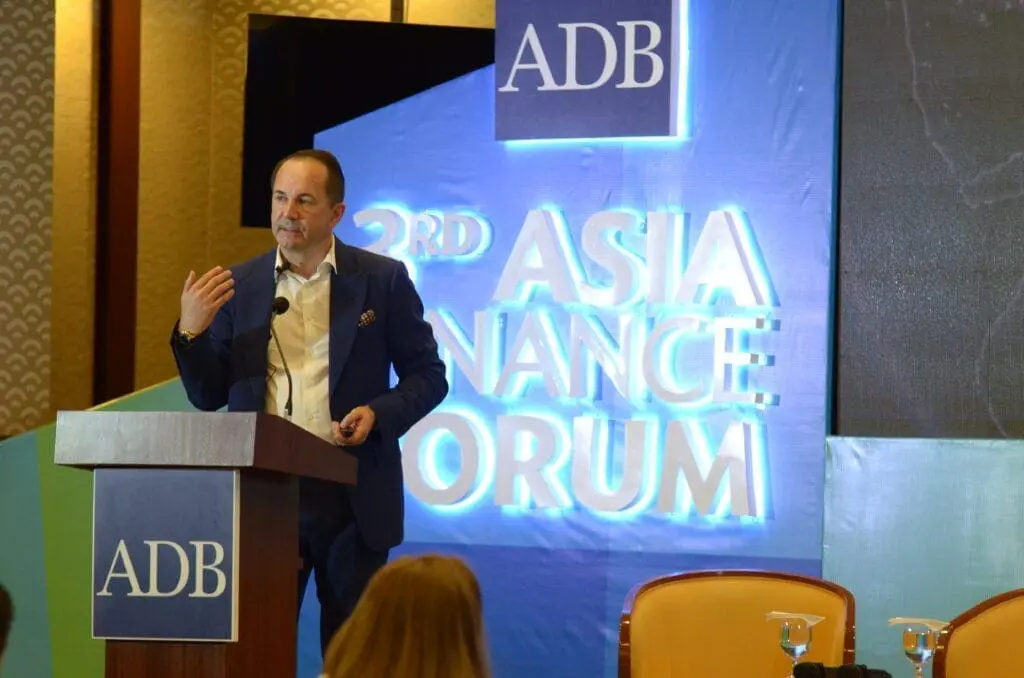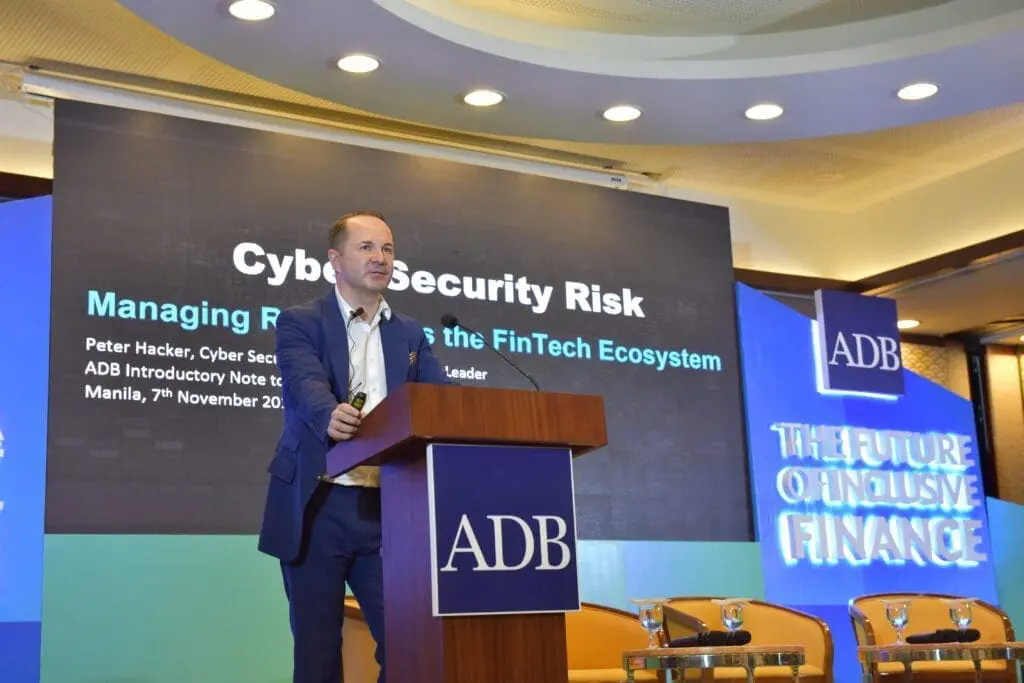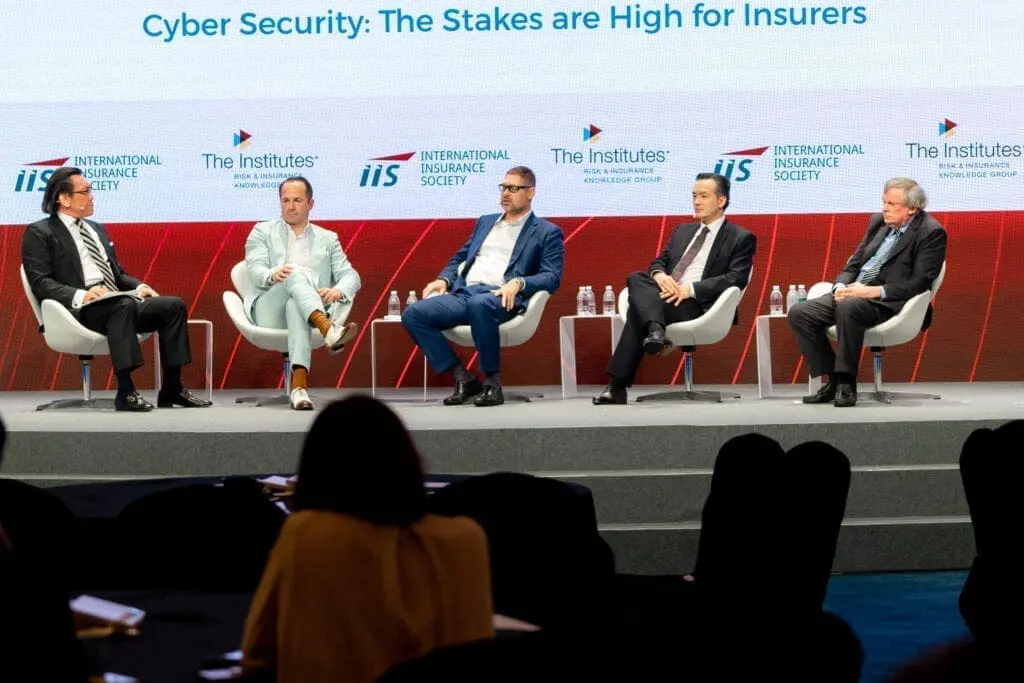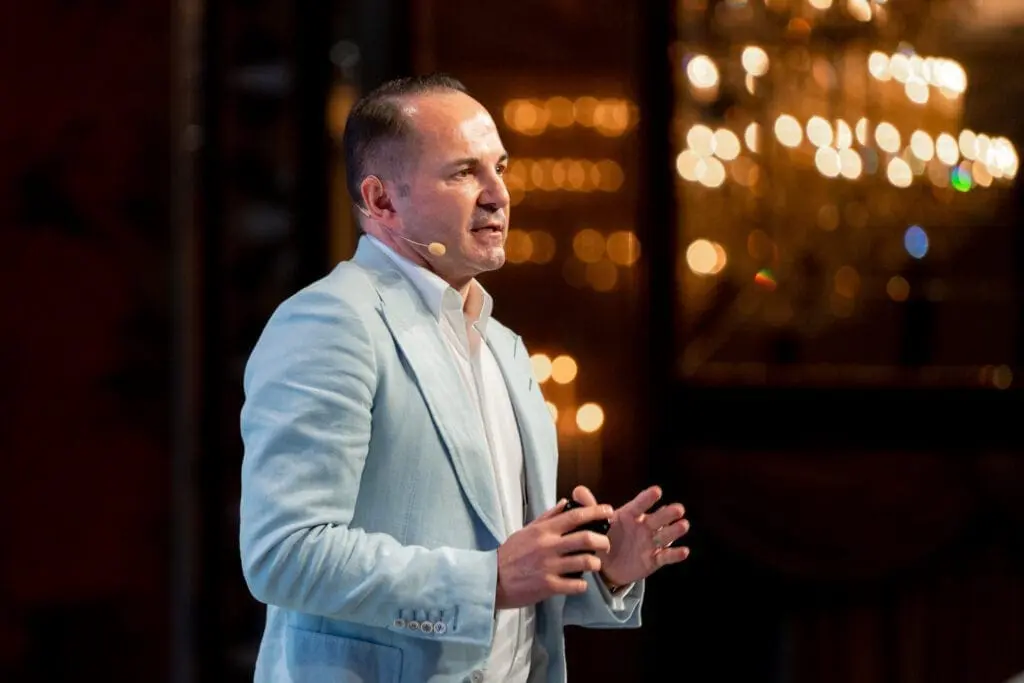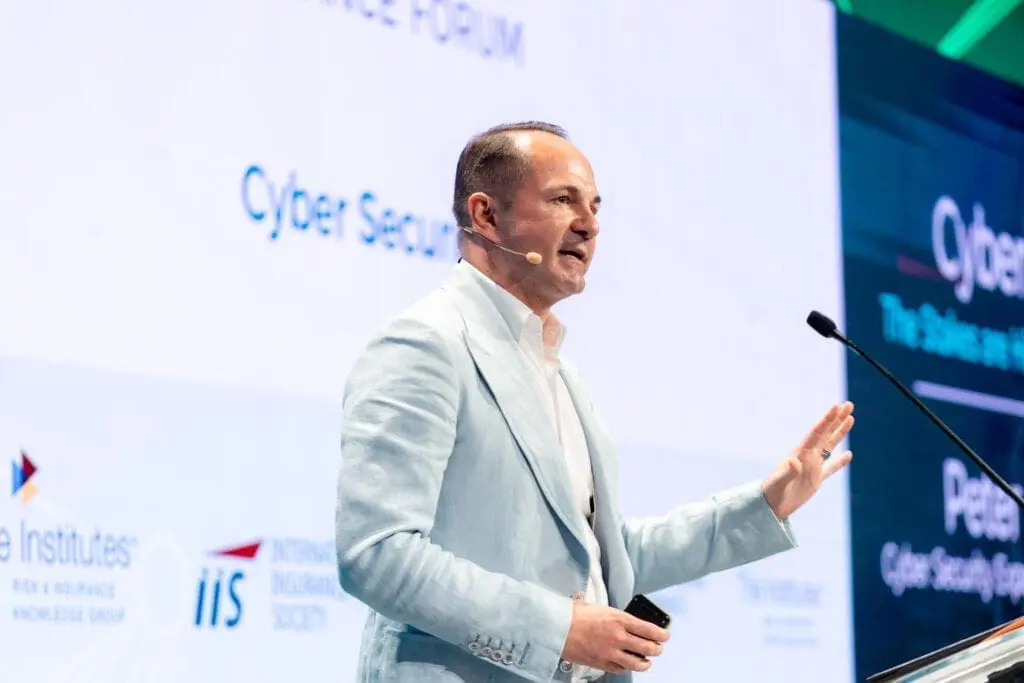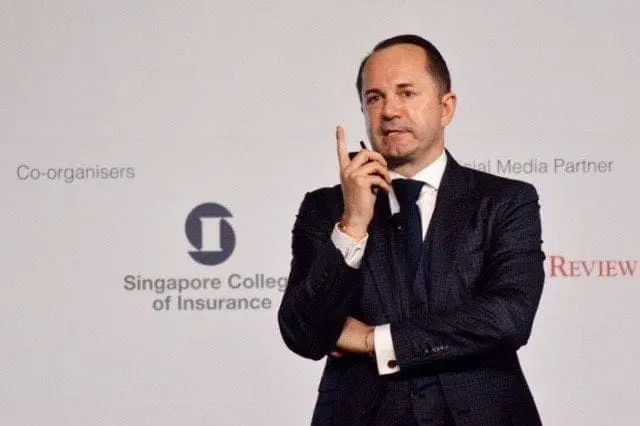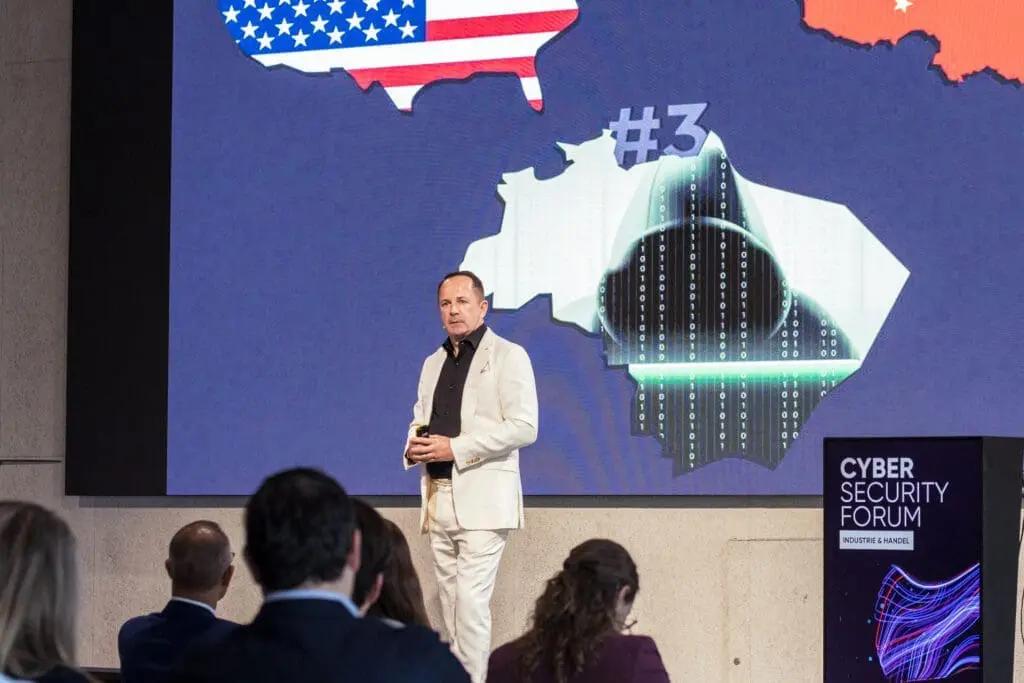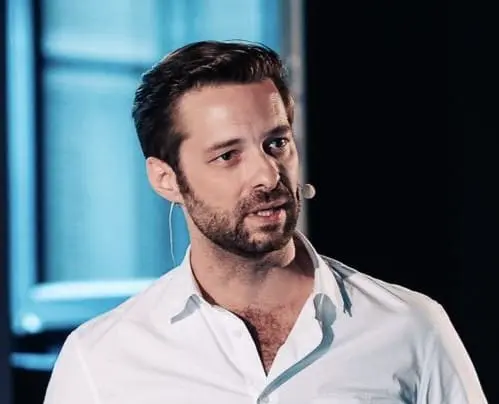

















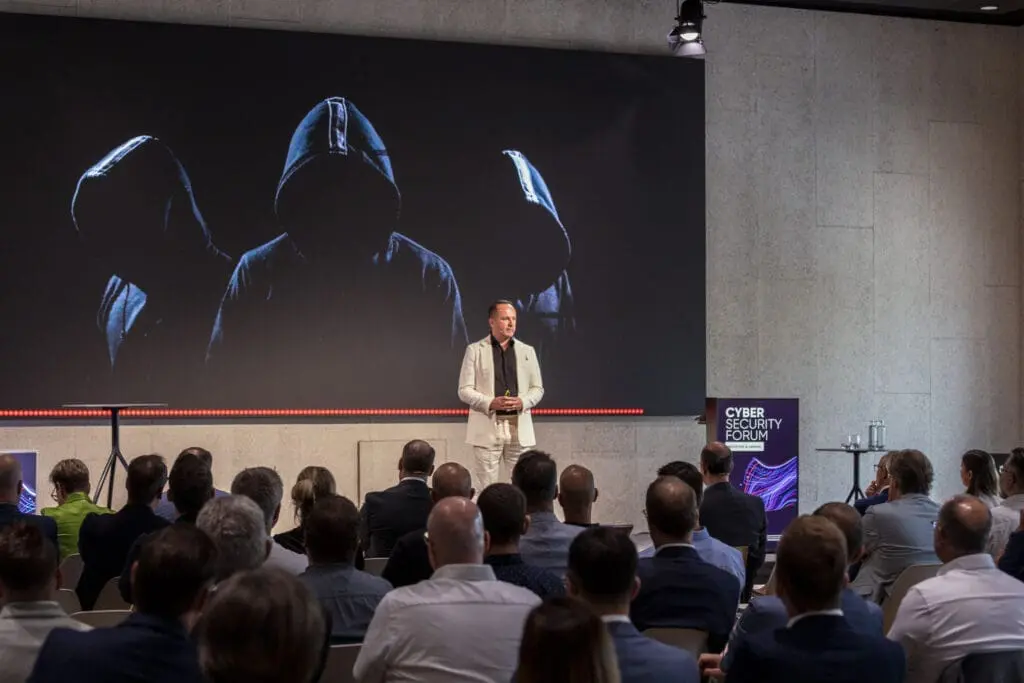
Peter Hacker is a dedicated Swiss specialist with international recognition who approaches his field with innovative thinking. As a speaker, entrepreneur, and author, he investigates digital transformation, cybercrime, and underwriting topics.
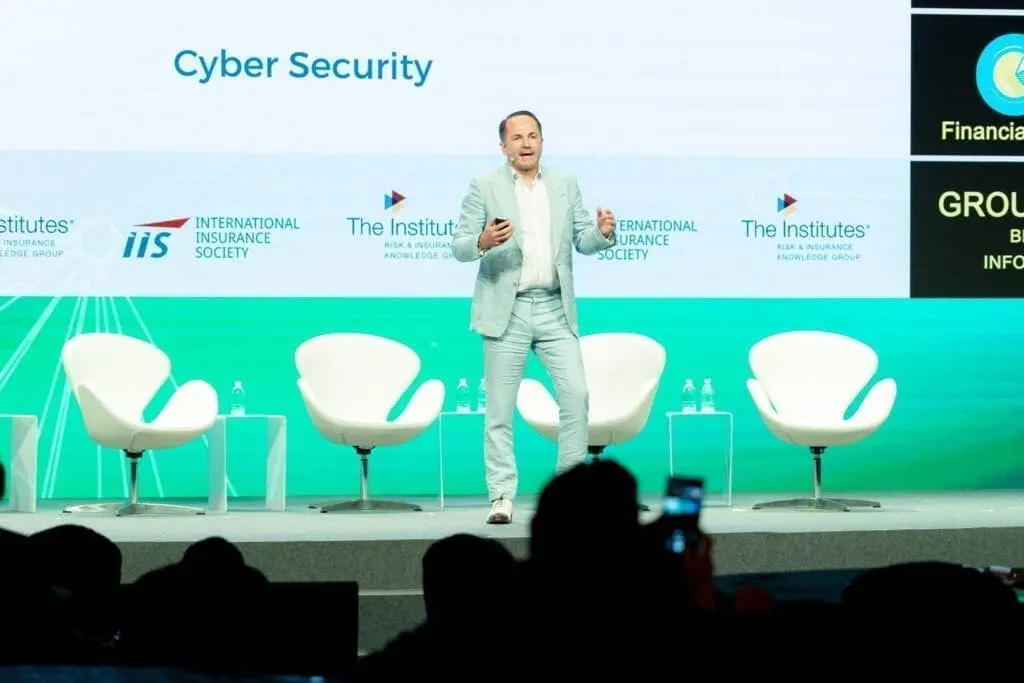
Peter Hacker delivers keynote speeches and lectures worldwide, from Frankfurt to Sydney to New York, illustrating challenges, opportunities, and solutions through practical examples that significantly impact businesses and political spheres. The significance of cyber risks as threats to individuals, SMEs, large corporations, and government ministries has surged dramatically over the past 18 months. Cybercrime is escalating rapidly and can severely affect the security and stability of organizations and nations.
Peter Hacker states: “Cyber crime is a ticking time bomb.”
Peter Hacker operates his own boutique firm, the Cyber Risk Observatory, which concentrates on the evolution of cyber threats, incident aggregation, and management at the board level. It employs manual knowledge transfer and AI capabilities to assist boards, risk management, legal, underwriting, security, and product teams.
For Peter Hacker, the digital revolution, cybercrime, and innovation are critical topics for boards, ministerial levels, crisis management, strategic communications (Public Affairs/Public Relations), and sales. The future will not only feature smart cities, housing, open banking, and autonomous driving but also introduce new forms of violence and power, presenting challenges in strategy, ethics, risk management, customer service, and society.
Peter Hacker presents straightforward facts about cyber resilience and poses challenging yet necessary questions. He uses his own real-world examples to highlight alarming trends, demonstrating how the present is evolving into the future and outlining possible courses of action.
Peter Hacker Lecture Topics
Prepare for the inevitable: it is not a matter of if your company will be hacked, but when. How ready are you to face this?
- Cybercrime 4.0: Demystifying the issue at board level
Five years ago, cyber security was not a priority for most boards. A decade ago, many boards were unfamiliar with the term. Today, most boards are paying attention, though to varying degrees. Awareness is growing about what cyber security entails and its implications. CEOs risk dismissal over cyber incidents.
Any organization can fall victim to cybercrime at any time; it is only a question of timing and resources. To survive in today’s environment, boards must ask: Are we prepared for an attack? What is my liability as a board member? Am I aware of the risks? Where are our vulnerabilities? How do we protect our data, systems, employees, customers, and intangible assets like IP, brand, and reputation? How do we manage internal and external communication strategically?
- Lessons Learned from ‘Covid-19’
Whether by chance or design, the real virus (Covid-19) has provided companies and risk teams with valuable lessons for cyber security strategies. Attacks can target companies even with up-to-date, patched software. Certain malware highlights the importance of limiting administrator privileges, such as ‘leasing’ these rights temporarily to employees who need them.
- The Digital World in 2030: A Challenge for the Brave
With billions of connected devices and sensors and the transition from 4G to 5G technology, the 21st century’s next battlefield will be a race for market dominance, arms development, and influence over public opinion.
- ‘Internet of Everything’: Disruptive, Global, and Complex
Artificial intelligence (AI) is animating everyday objects, enabling them to connect with people, other objects, and machines. This transformation is reshaping society into a megacomputer that enhances security (blockchain), drives growth (autonomous driving), improves customer understanding (open banking), and transforms communities (smart cities).
- Digital Revolution (AI): Navigating the 21st Century
We live in an era where change is the only constant, often occurring faster than our ability to adapt. It is crucial to balance attention between future opportunities and risks, such as those posed by AI. In a connected world, AI-driven cyber attacks could become devastating weapons against businesses, industries, and governments.
- Fake News, Extortion, and Espionage in a Hyper-Connected World
The future will be less predictable, more vulnerable, and more dynamic. Nations compete for digital supremacy while technology providers, individuals, hacker groups, and terrorists alter the security landscape. Networking enables viruses, malware, and codes to become new tools of power and violence, creating a world of known unknowns.
- The Power Strategy of Artificial Intelligence: Utopia or Reality?
The contest among California, Moscow, and Shenzhen is advancing into a complex phase. Data, analysis, and data theft as tools for discovery or conquest are already reshaping global dynamics and daily life. Are we responding effectively and ethically with AI? What lies ahead?
- The Digital and Social (Re-)Organization
We are still early in the digital age, facing challenges from governments and businesses alike. Digitization is driving geopolitical shifts. The future includes smart cities, housing, and autonomous vehicles but also increased electronic warfare, surveillance, and data misuse. To navigate safely, we must adopt a critical stance toward technology companies’ power, supported by politicians and the digital state.
- Cybercrime and Cyber Warfare
The AI-driven arms race and state-sponsored actors are shifting focus toward corporations. This is a war without traditional combatants. Whether automatic or autonomous, cyber weapons, like Tomahawk missiles, are equally destructive but faster and more damaging to financial and national stability.
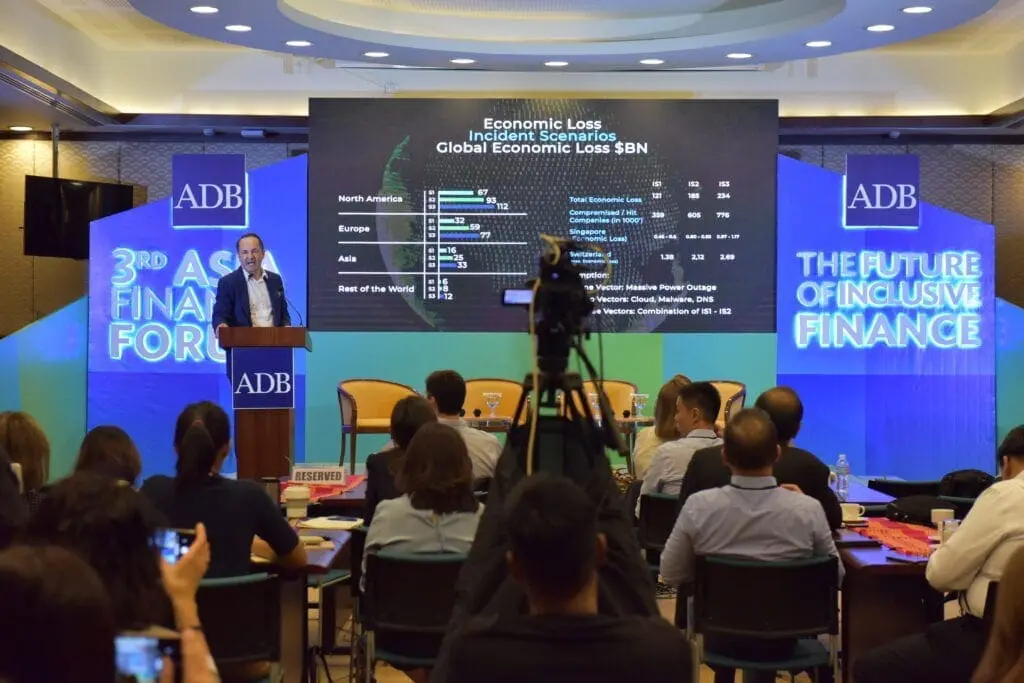
Before founding Distinction.Global, an independent cybersecurity observatory, Peter Hacker held senior roles in the financial sector across London, New York, Singapore, and Zurich. In 2019, he researched cyber risks—including scenarios, disasters, costs, and solutions—for the Monetary Authority of Singapore (MAS), the Singapore Reinsurance Association (SRA), and various Asian and European financial institutions.
Cybercrime: Demystifying the Issue at Board Level.
Cyber expert Peter Hacker holds an Economics degree from HWZ Hochschule für Wirtschaft Zürich and MBAs with distinction from London Business School (LBS) and Columbia Business School (CBS) New York. In 2004, Columbia Business School nominated him for the international honor society ‘Beta Gamma Sigma.’ With over 250 presentations and board advisory sessions worldwide in the past decade, Peter Hacker is a leading authority on cybercrime and the digital revolution. He is fluent in German, English, Spanish, Portuguese, and French.
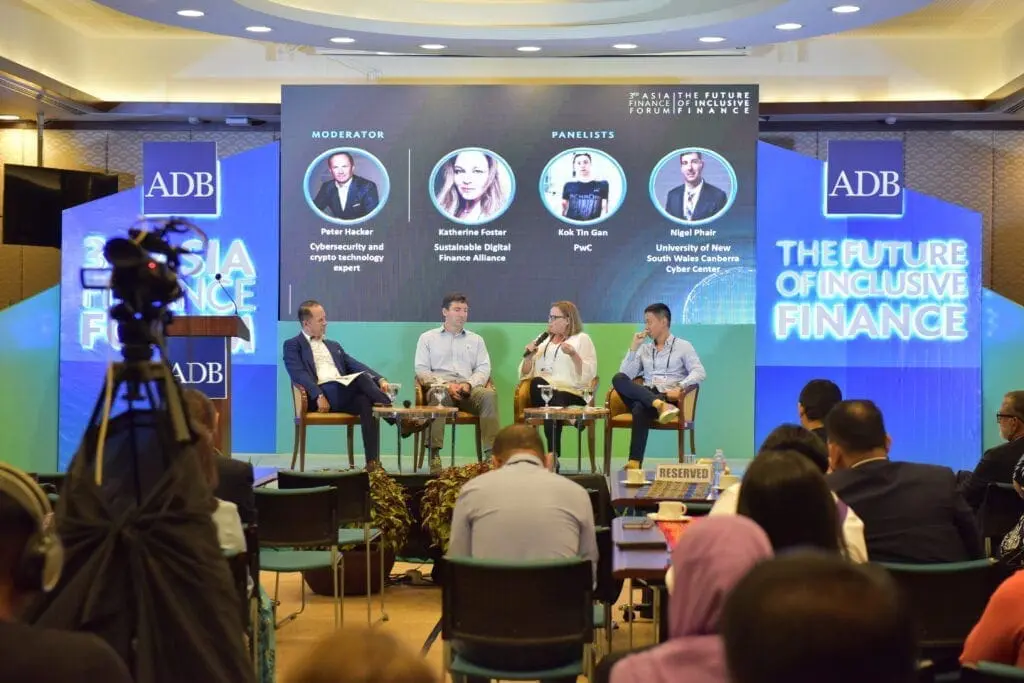
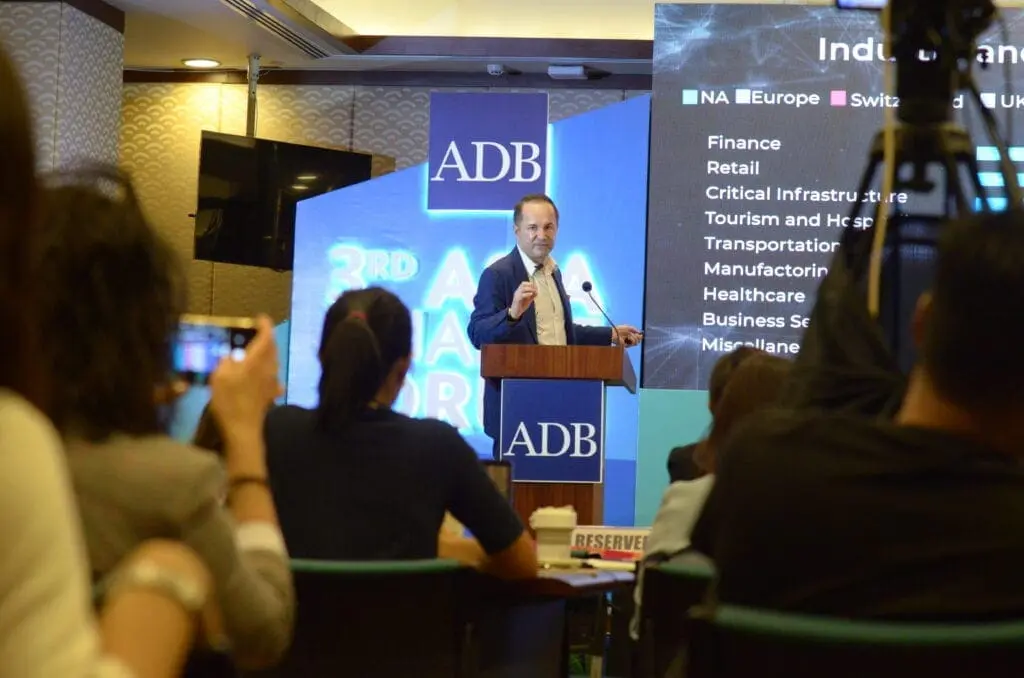
Over 18 years, futurist Peter Hacker has collaborated with corporate executives and risk managers in more than 90 countries across insurance, banking, critical infrastructure, retail, telecommunications, media, and technology sectors. He has direct experience with numerous cyber attacks and provides expert insights. His expertise is also sought by international and regional organizations, regulators, and rating agencies, including the Asian Development Bank (ADB), the Monetary Authority of Singapore (MAS), the Prudential Regulation Authority (PRA) in England, and Standard & Poor’s.