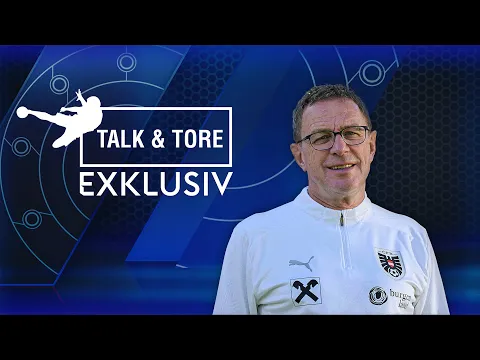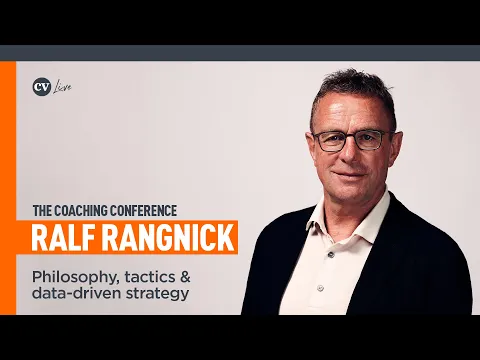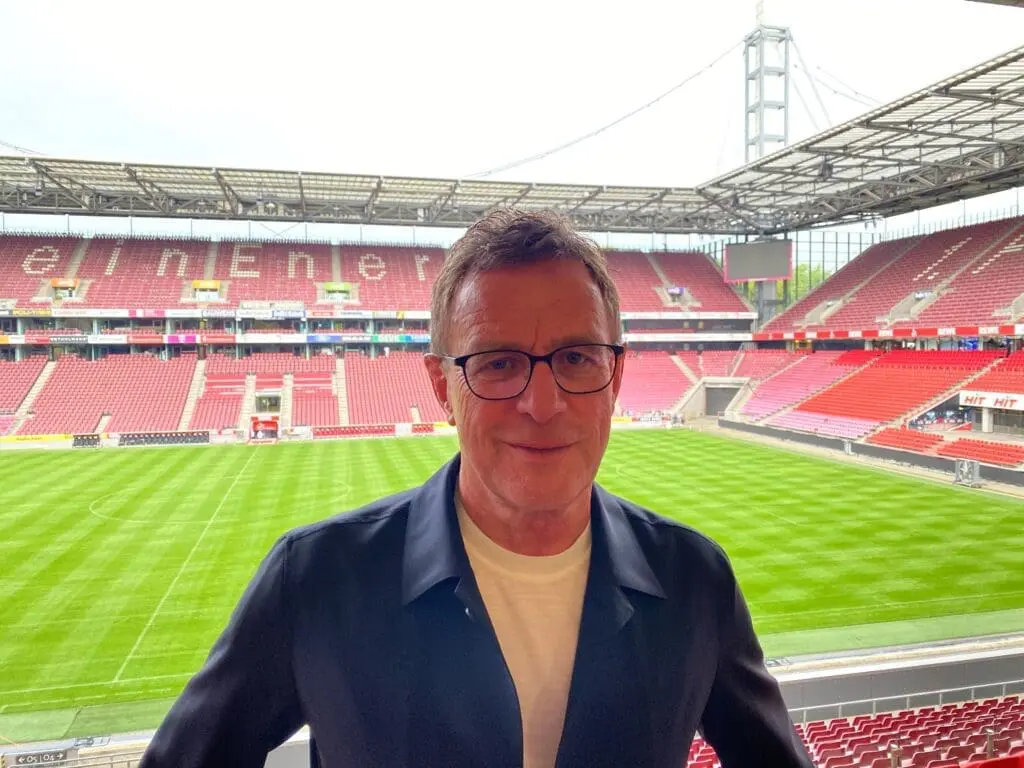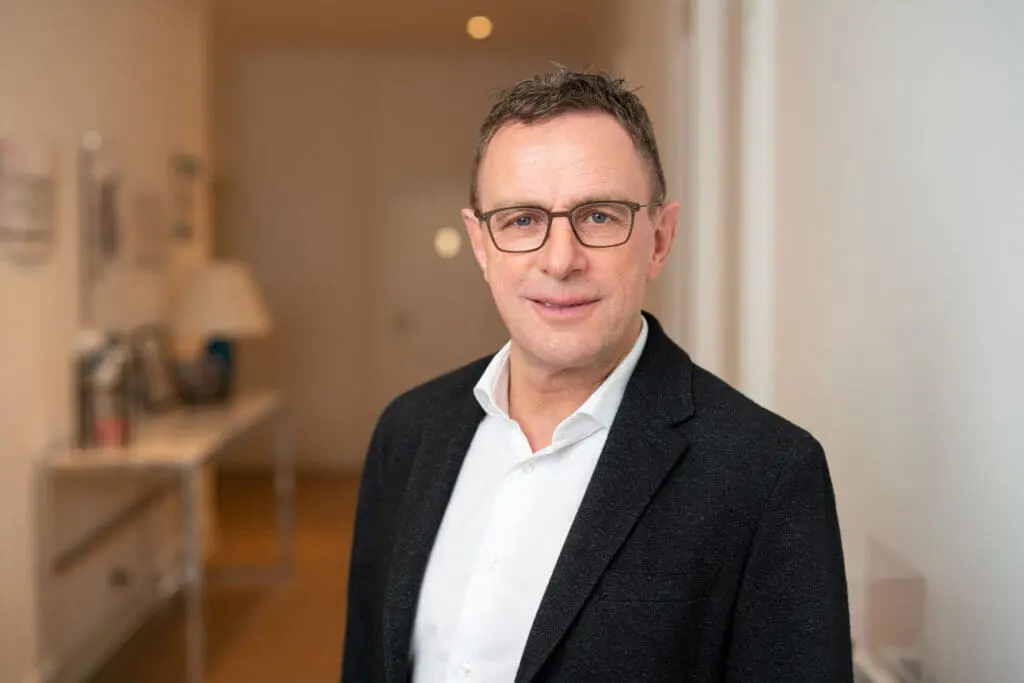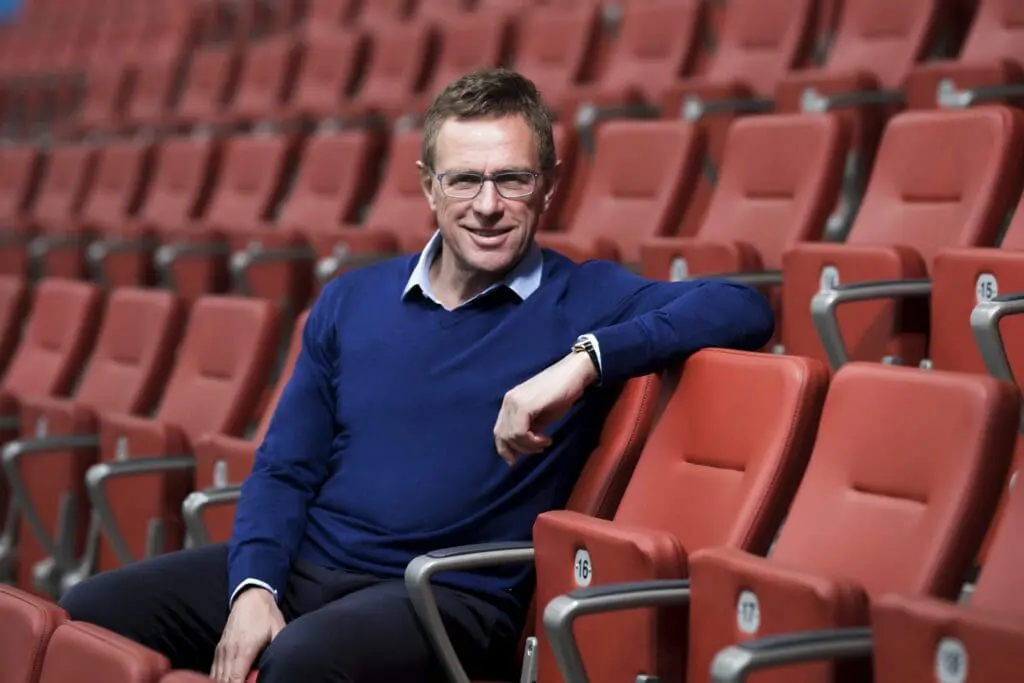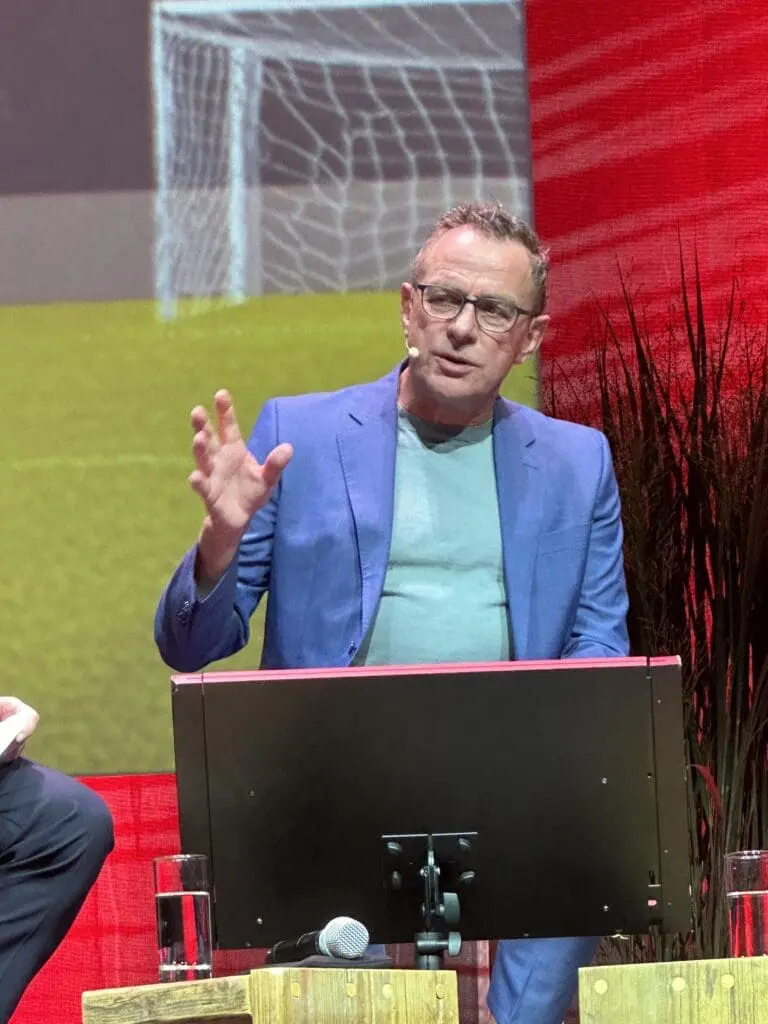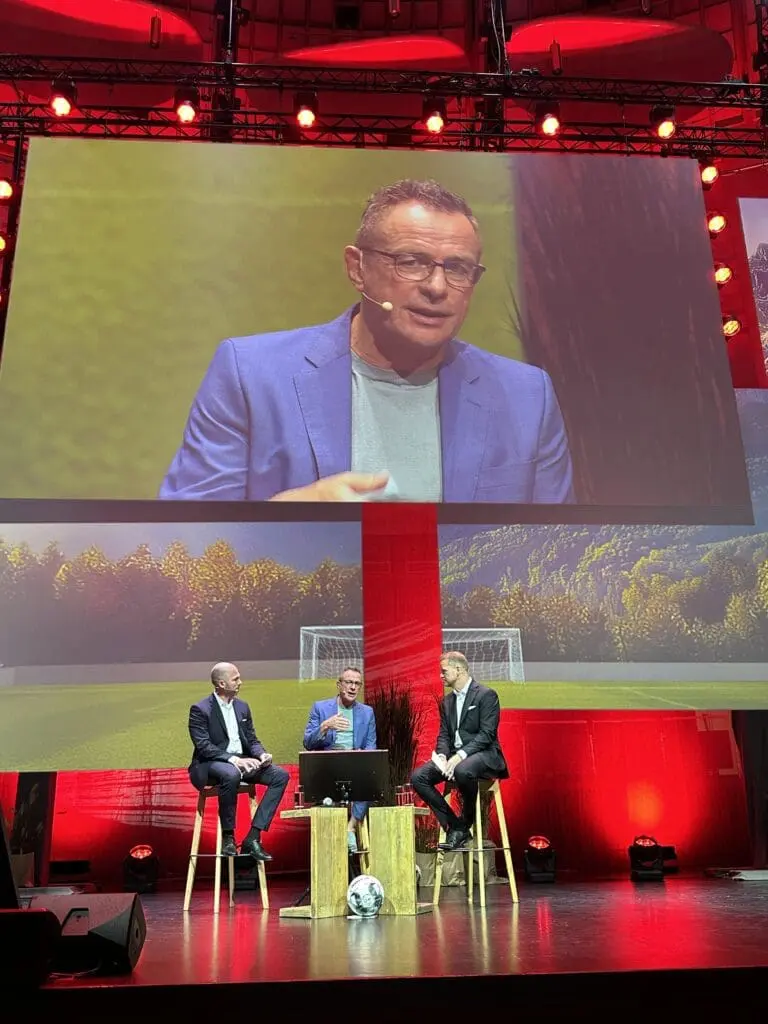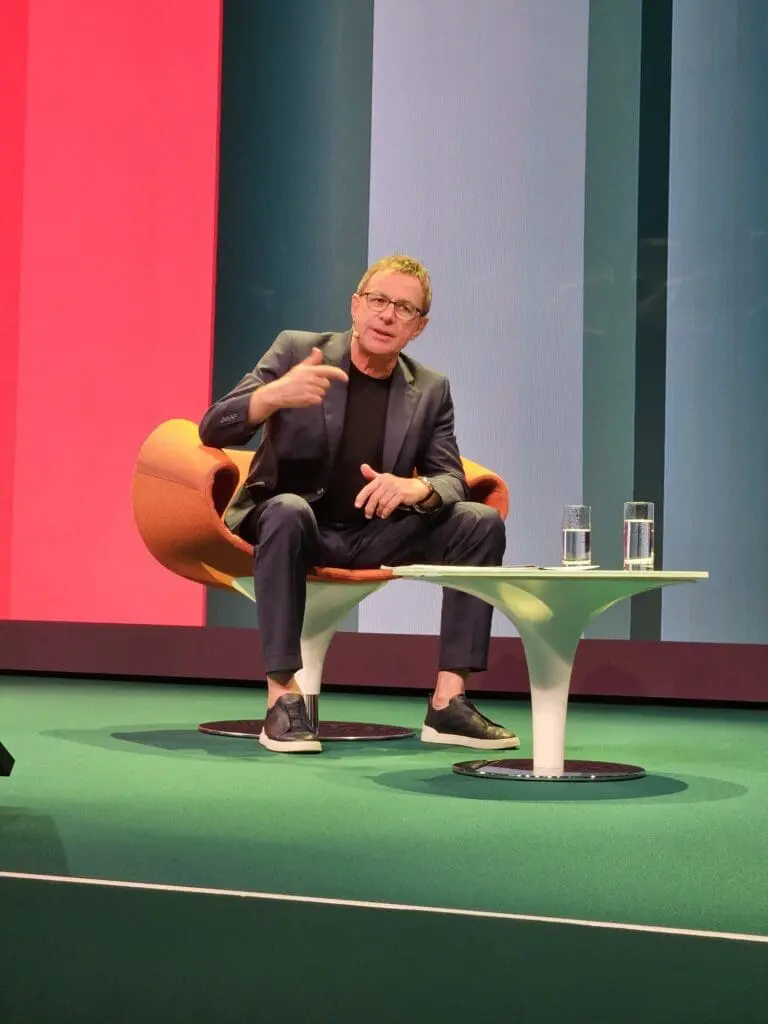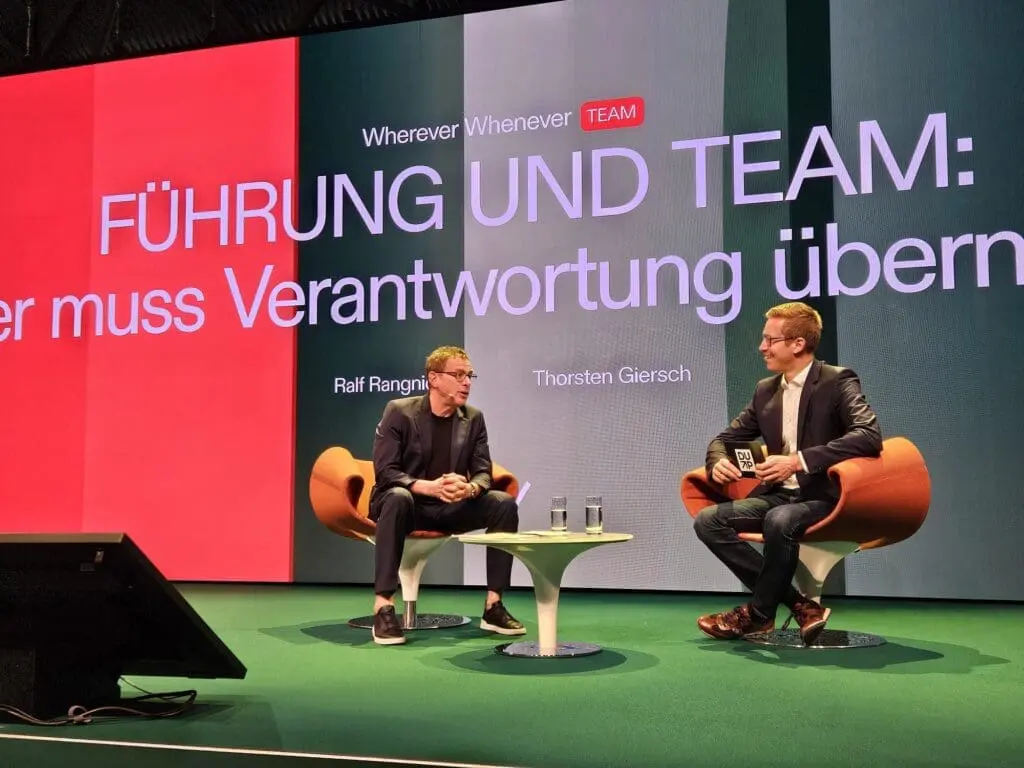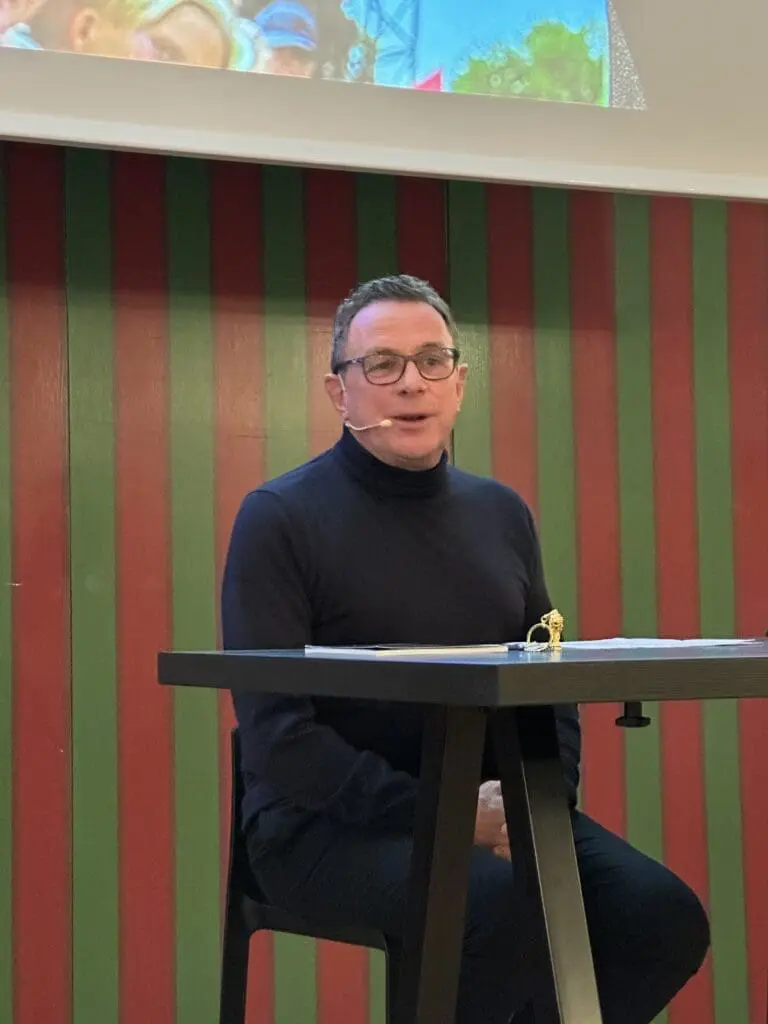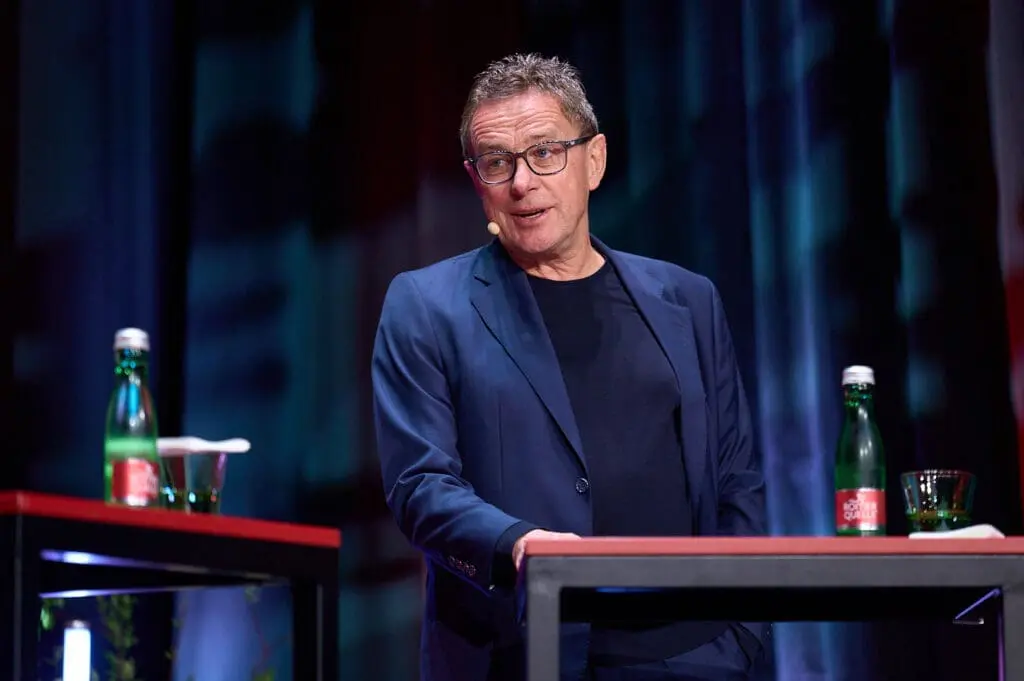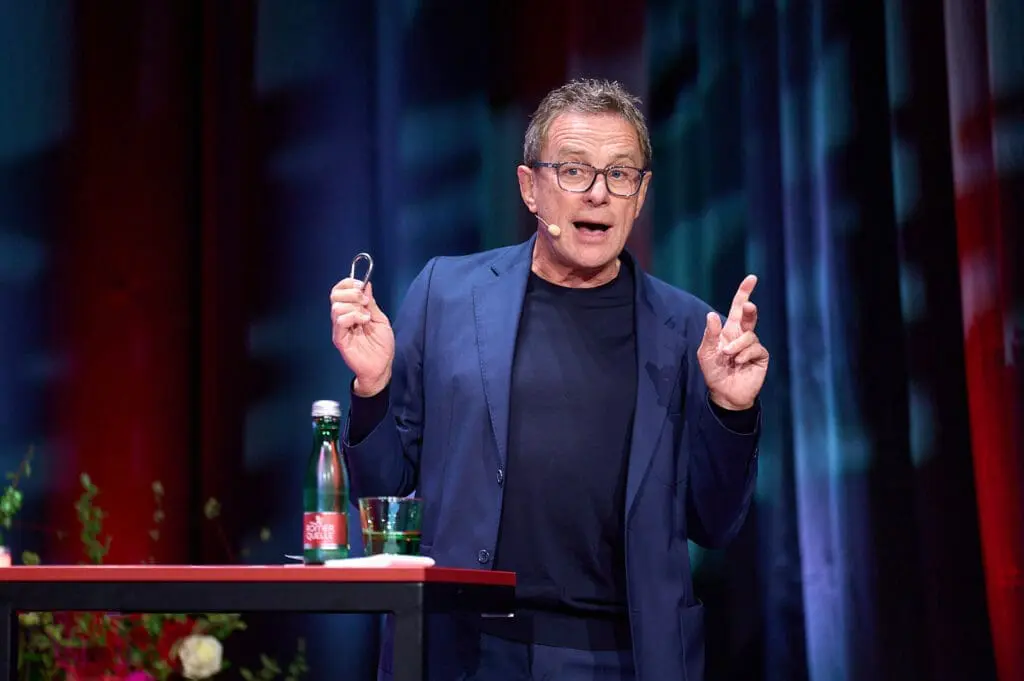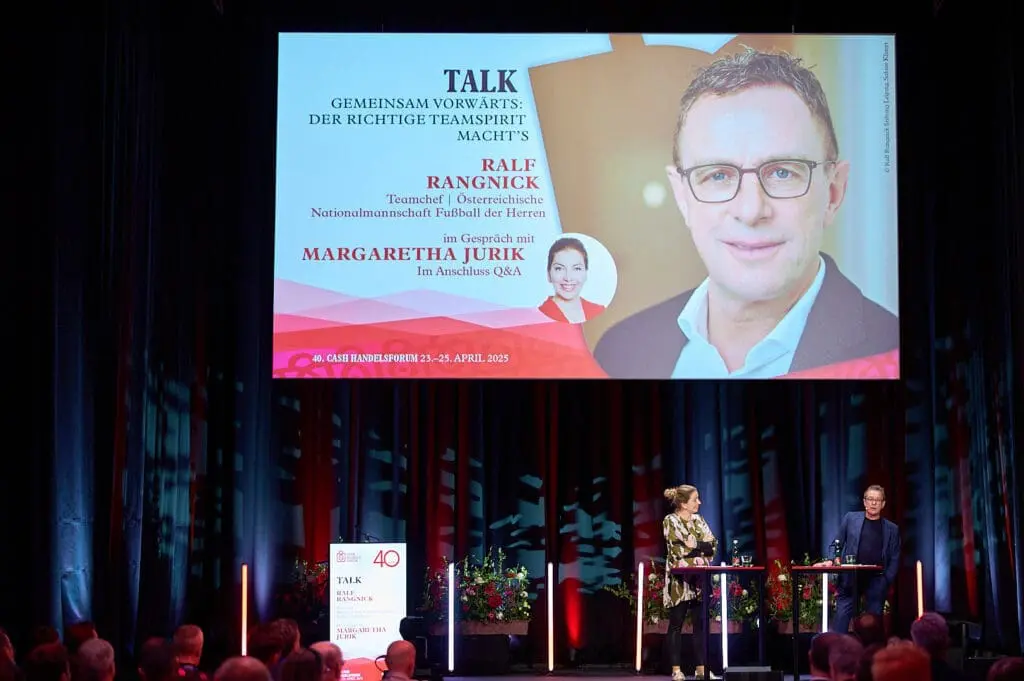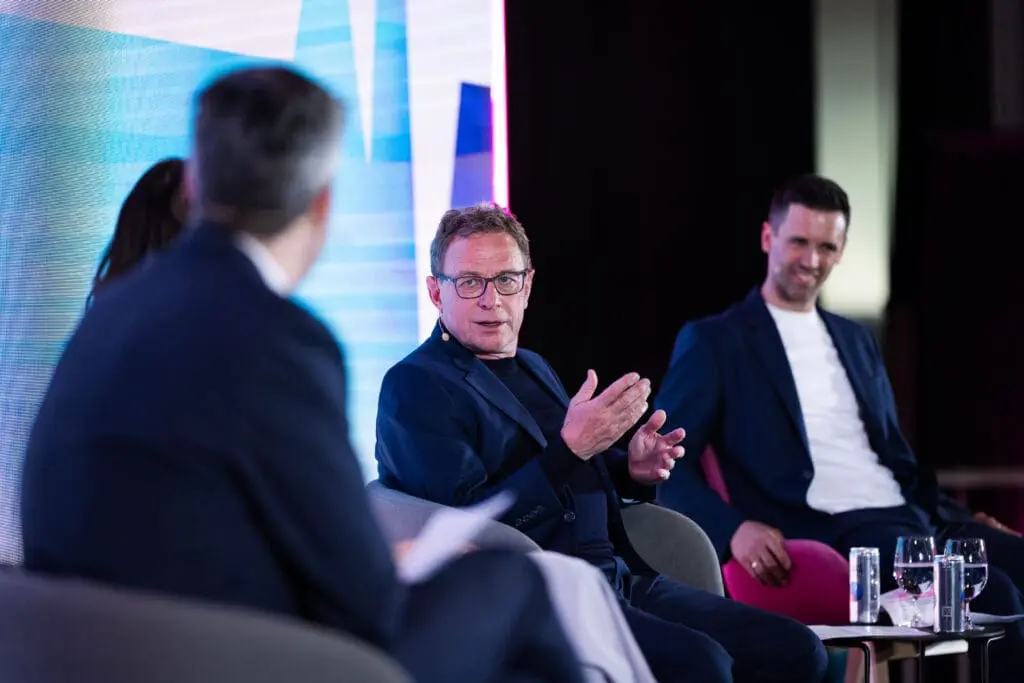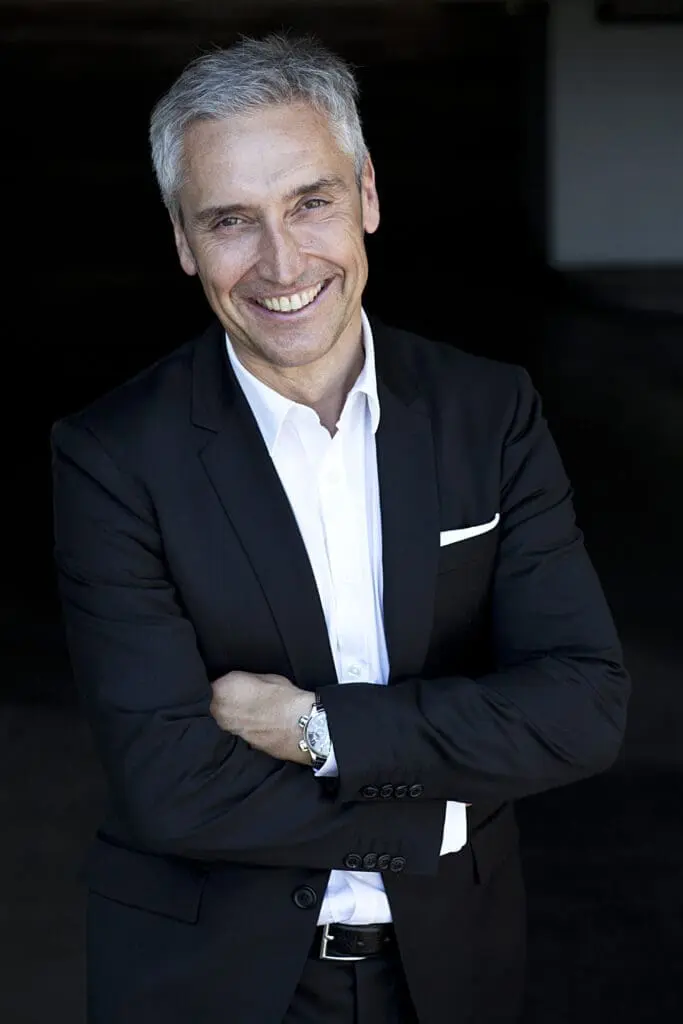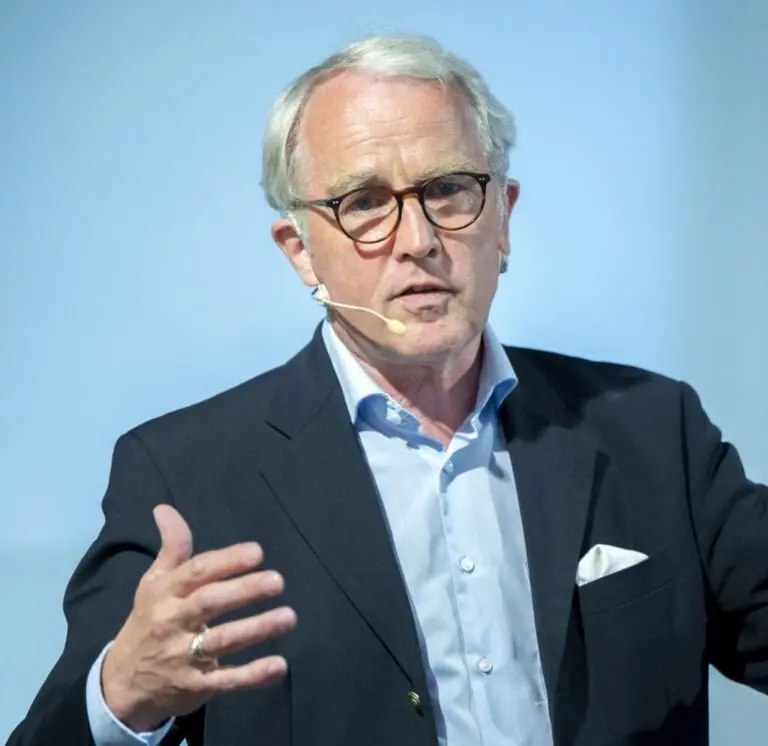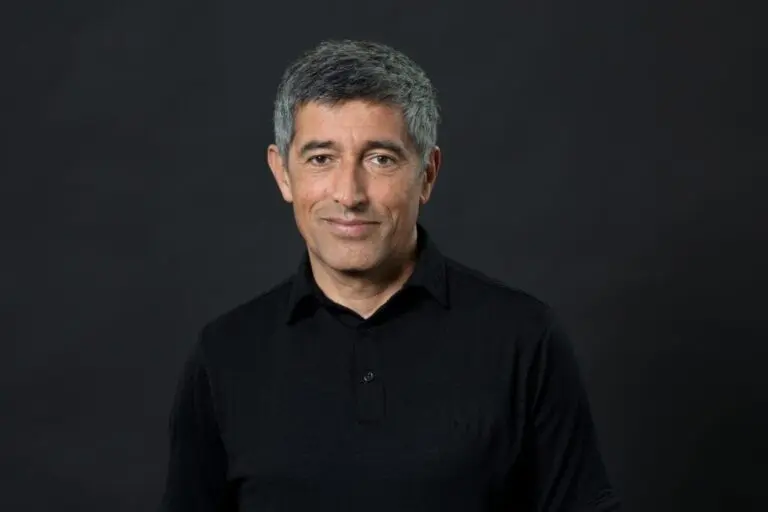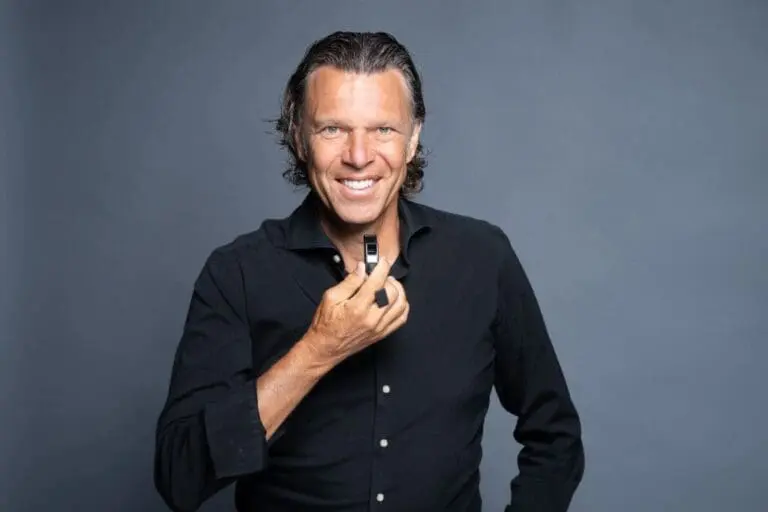





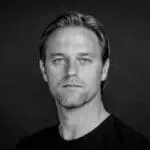





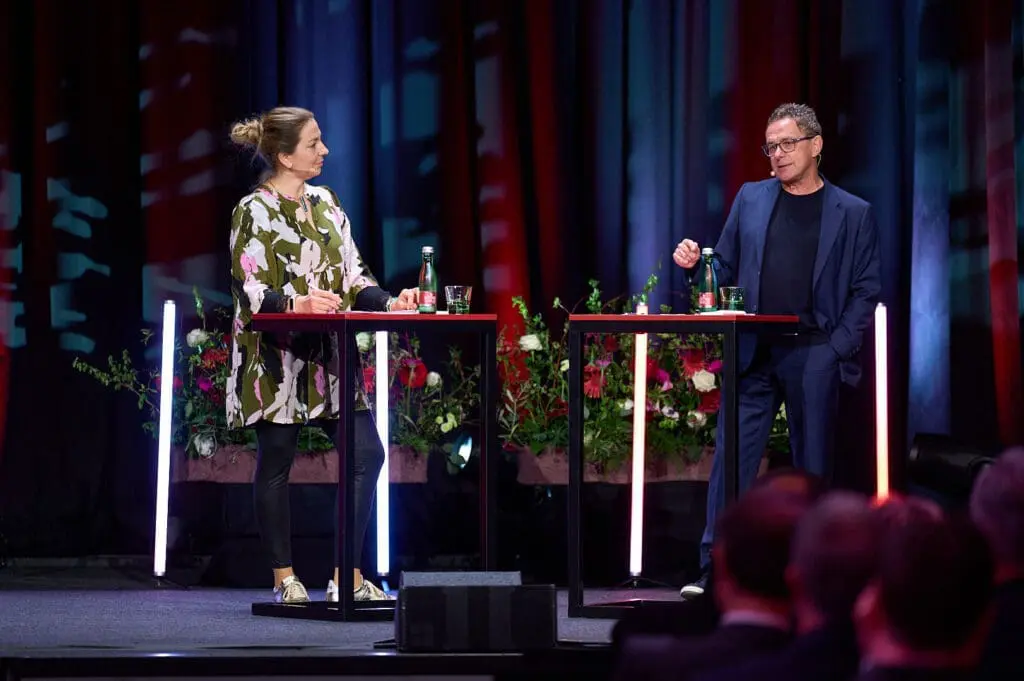
Ralf Rangnick serves as the Coach of Austria’s National Team.
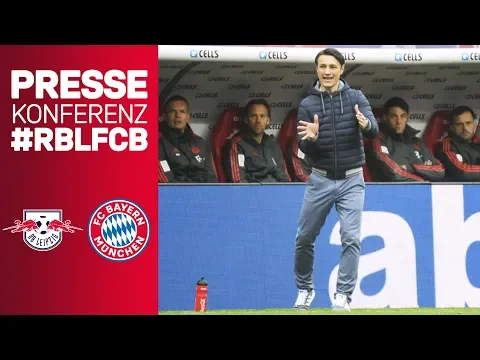
Previously, Ralf Rangnick was the sporting director and coach at RB Leipzig. After 296 matches since the establishment of RasenBallsport Leipzig e.V., he and his team have reached the elite level of European football. Since joining the Red Bull group in 2012 and acquiring playing rights from the fifth-division club SSV Markranstädt, he guided the team from the Regional league all the way to the Champions League—an unprecedented feat in Bundesliga history.
Ralf Rangnick’s direct experience with the rigors of English football
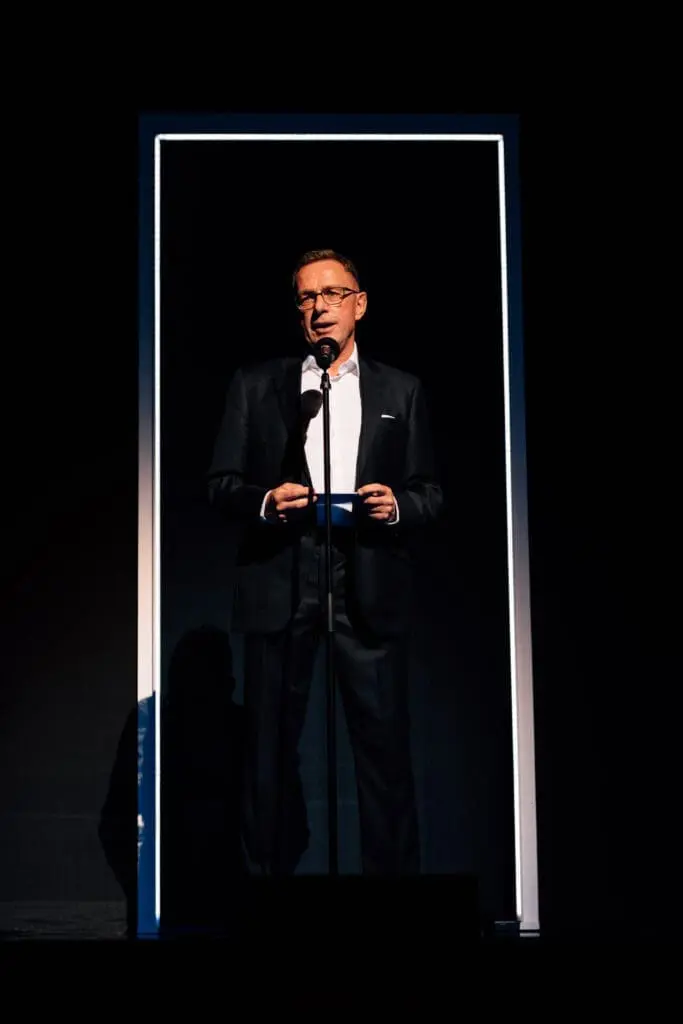
Topics covered in Ralf Rangnick’s presentations
As both coach and sporting director, Ralf Rangnick rapidly propelled RB Leipzig to the top of the Bundesliga. In his talks, he shares insights on team selection and player motivation.
- Talent identification
- Team formation, selection, and management
- Motivating players during difficult times
- Team accountability: everyone must take responsibility
Born in Backnang, a Swabian town, on the day of the 1958 World Cup final, Ralf Rangnick demonstrated exceptional qualities early on. His sole ambition was to win. While studying sports and English, he played for Southwick FC, gaining firsthand experience of the toughness of English football, which resulted in three broken ribs and a lung injury. Despite this, he returned to Germany with an insatiable drive, establishing himself in German football. He played for VFB amateurs in Heilbronn and Ulm, led his hometown club Backnang as player-coach to higher leagues, and developed an innovative playing style that challenged traditional tactics by abolishing man-marking. He excelled in his football instructor course in Cologne and became sporting coordinator at VFB Stuttgart. Early on, he demonstrated a keen eye for talent by offering a 17-year-old from Cruzeiro Belo Horizonte a VFB Stuttgart jersey and attempting to secure a six-million-euro transfer fee, which was declined. That young player was the future star Ronaldo.
Ralf Rangnick: football expert and visionary
With his ball-oriented zone defense, Rangnick led SSV Ulm to the second division and introduced the flat four-man defense system to German audiences on ZDF, signaling his intent to innovate German football. In 2006, he was hired by TSG Hoffenheim. His approach combined intellect, skills, concepts, and financial resources. Supported by a strong coaching team, young and adaptable players, modern tactical concepts, an offensive style, and investor Dietmar Hopp’s backing, Hoffenheim achieved the remarkable rise from regional leagues to the Bundesliga. The small town of Hoffenheim-Sinsheim, with just 3,000 residents, topped the table after the first round of the 2008/09 season, ahead of Bayern Munich.
‘Money alone doesn’t score goals’
Otto Rehhagel’s famous saying, ‘money doesn’t score goals,’ seemed forgotten in German football during Hoffenheim’s rise. However, Hoffenheim’s approach was similar to other clubs like Schalke (Gazprom), Wolfsburg (VW), and Leverkusen (Bayer Leverkusen), all of which invested sponsorship funds into infrastructure, talent, and staff. Rangnick consistently stayed ahead by planning for the unpredictable through a systematic approach, passion, ambition, and strong belief in his philosophy. Today, the phrase is better expressed as ‘money alone doesn’t score goals.’ While European football increasingly depends on investors such as Roman Abramovich (Chelsea FC), Sheikh Mansour bin Zayed Al Nahyan (Manchester City), and Nasser Al-Khelaifi (Paris Saint-Germain), traditional companies must embrace transformation, innovation, and speed to survive in the digital era. Rangnick embraced these principles and revolutionized football.
After Hoffenheim, a DFB-Pokal win with Schalke 04, and a break due to illness, Rangnick returned as sporting director in Salzburg under entrepreneur Dietrich Mateschitz. Though his stubbornness and impatience made him a challenging figure, in 2012 he promised Mateschitz to use the investment wisely. Mateschitz then gave him autonomy. Rangnick’s goal was to bring Leipzig Red Bulls into the Bundesliga within five years. Unlike Hoffenheim, Leipzig is a football-hungry city of 570,000. To reach this goal, Rangnick assembled trusted coaches, high-performance infrastructure, diagnostics, and experts, including his mentor Helmut Gross, who pioneered ball-oriented zone defense in the 1980s. Together, they refined game styles and incorporated physical and cognitive training into the RB lab. With coach Alexander Zorniger, the team advanced from the regional league to the third division, then the second, and finally qualified for the Bundesliga on their second attempt. The determined Leipzig team faced established clubs and their passionate fan bases with calmness and success. Rangnick eliminated complacency early, positioning RB Leipzig as a rising force in German and European football.
Red Bull’s ambitions know few limits
Dietrich Mateschitz financed this success. The Red Bull company, which he co-founded, ranks among the world’s top three most valuable drink brands, selling over six billion energy drinks globally. Headquartered in Fuschl am See, the group has grown into a media and sports empire. The slogan ‘Red Bull gives you wings’ reflects the investor’s belief in achieving great feats. Felix Baumgartner’s space jump demonstrated Mateschitz’s limitless vision. He invests in Formula 1 teams, ice hockey clubs, extreme sports athletes, and football. His investments extend beyond sport, with events broadcast across multiple platforms via RB Media House, focusing on communication returns that enhance brand and company value. RB Leipzig leads the Mateschitz football network, which includes Salzburg, Liefering, Ghana, Brazil, and New York. The Red Bull owner aims for the Leipzig team to become a major European club. Despite navigating UEFA regulations, this has not deterred him.
With a moderate league budget, Ralf Rangnick quickly established RB Leipzig in the Bundesliga. Utilizing young talents like Naby Keita, Emil Forsberg, Marcel Sabitzer, Willi Orban, and Timo Werner, he pushed the club to the top, nearing championship success. In the 2016/17 season, RB Leipzig became the first promoted team in Bundesliga history to qualify for the Champions League and finished as Bundesliga runner-up.