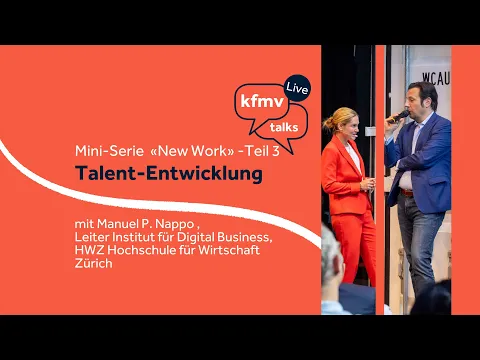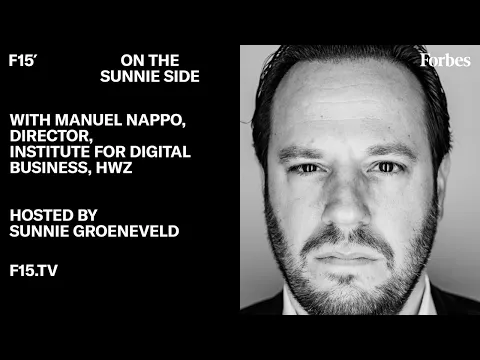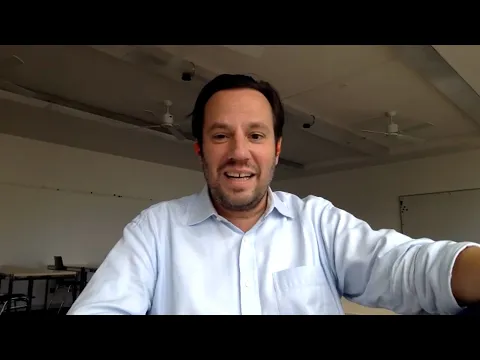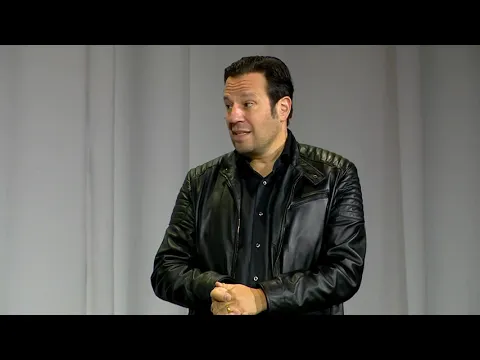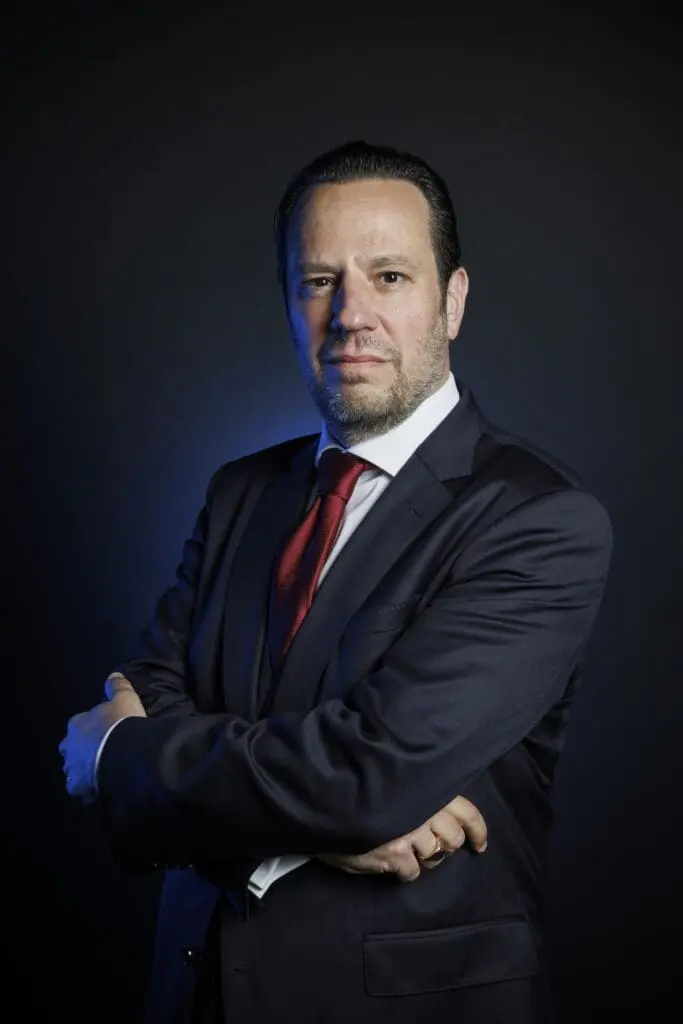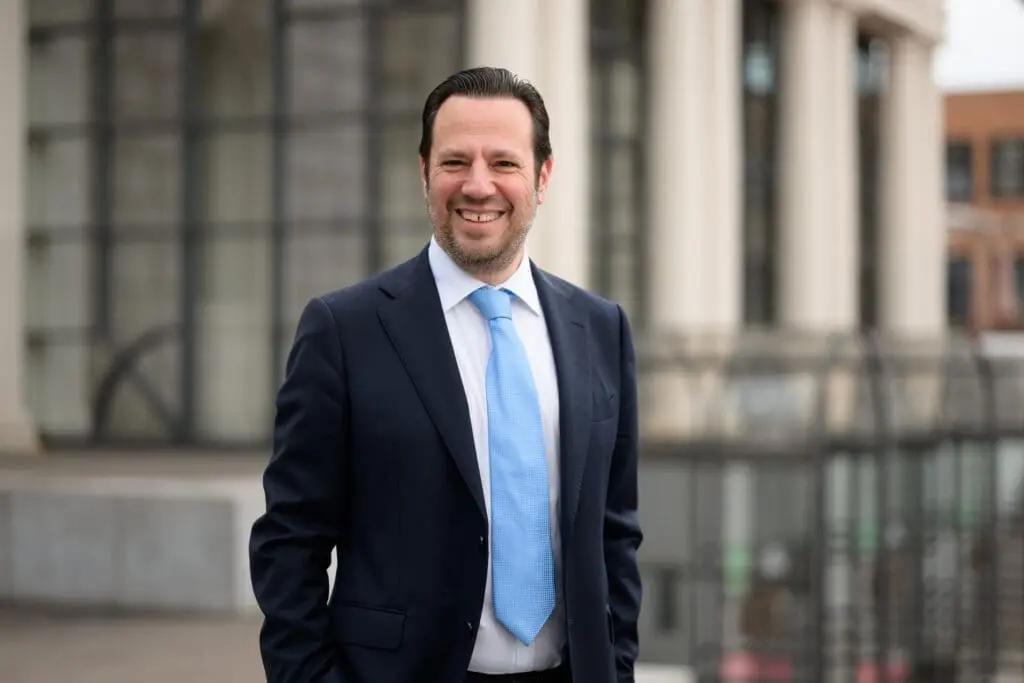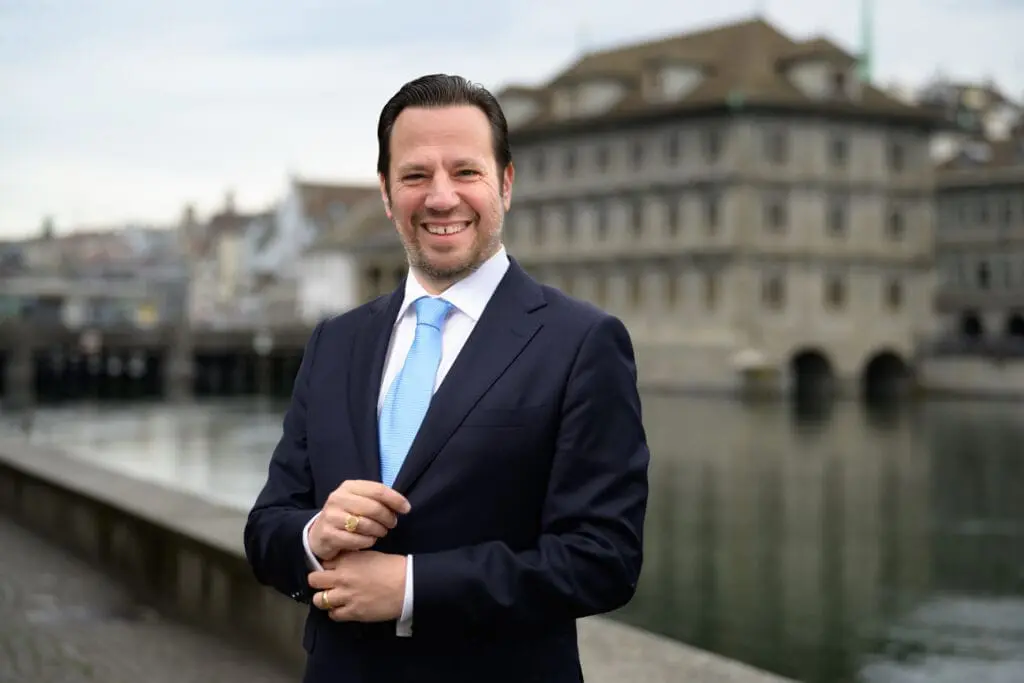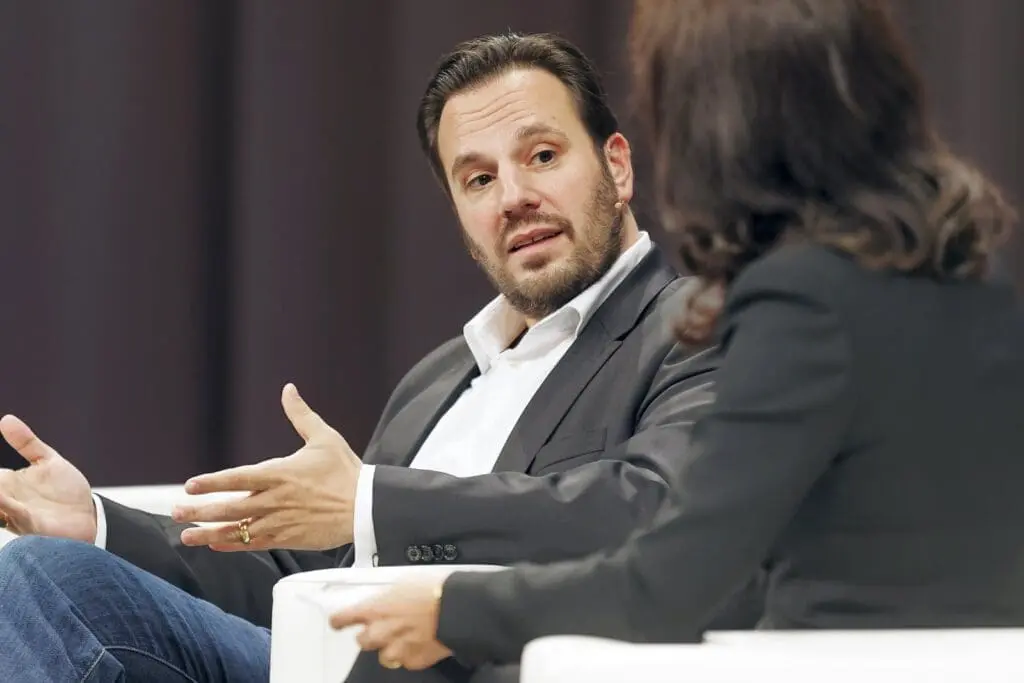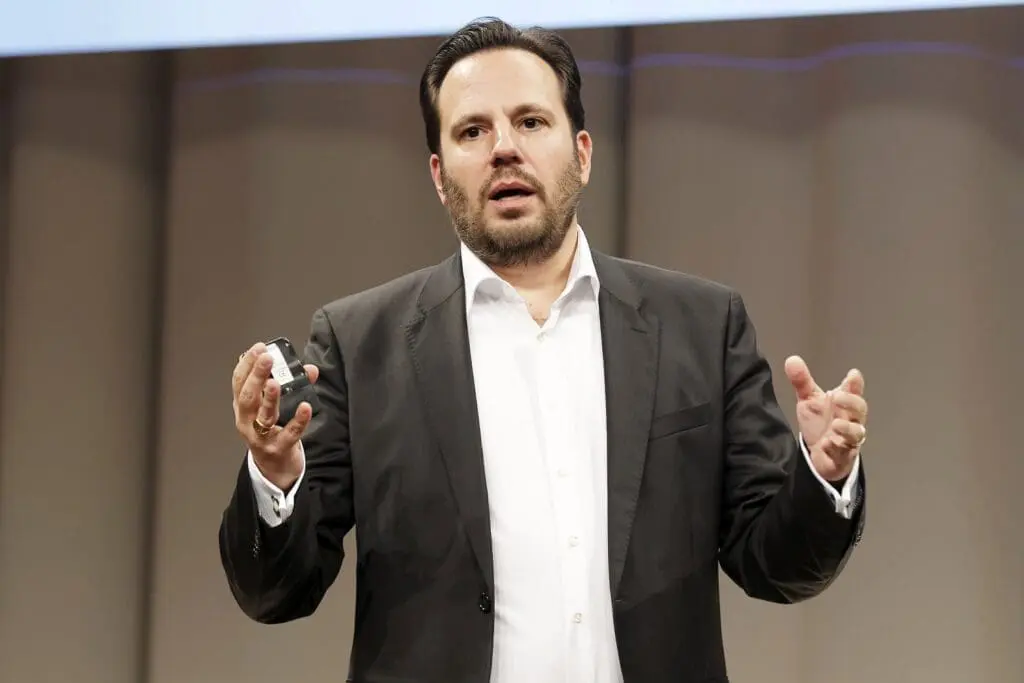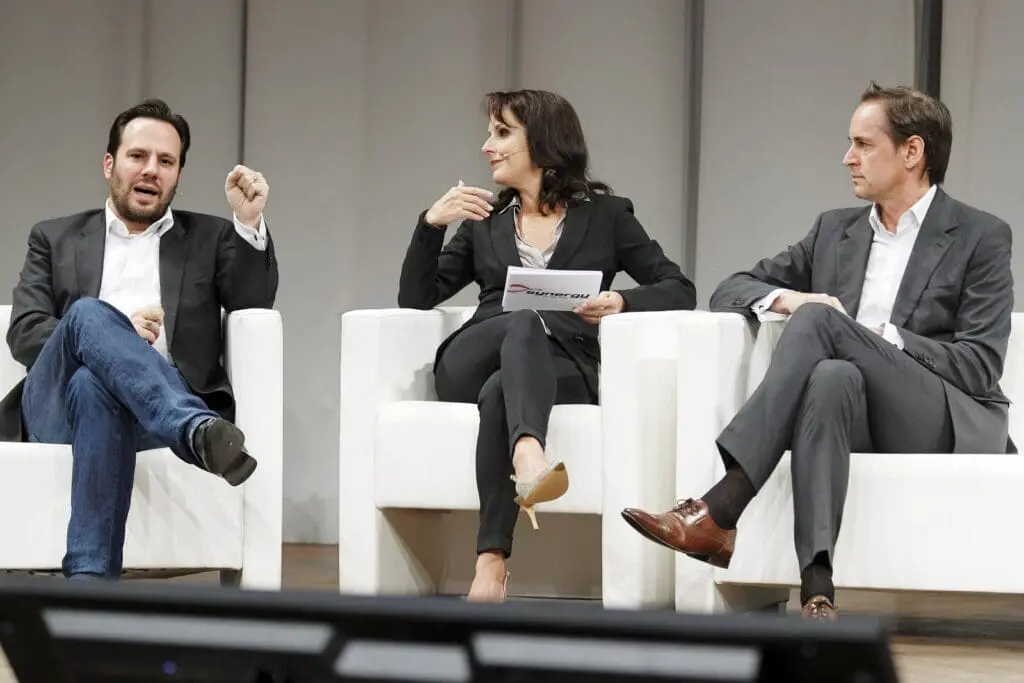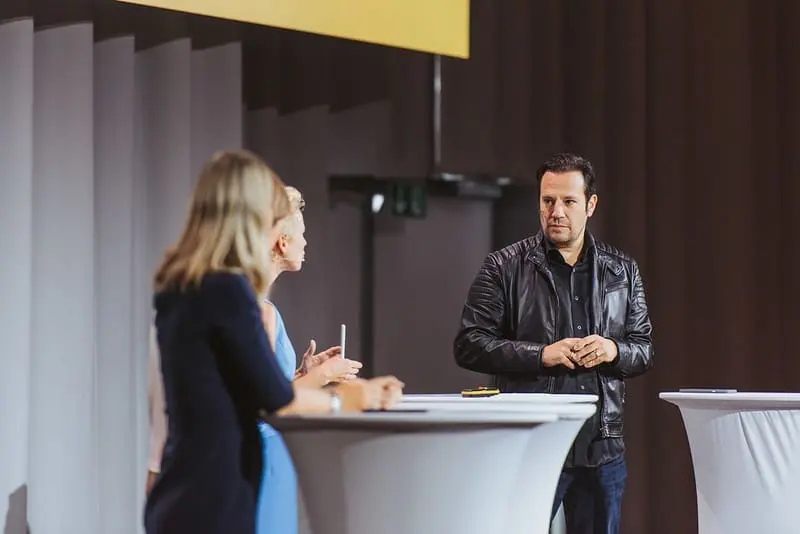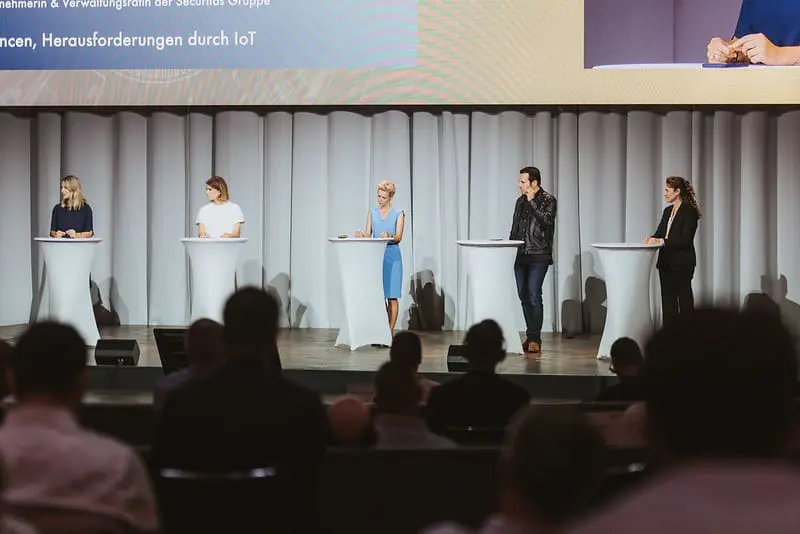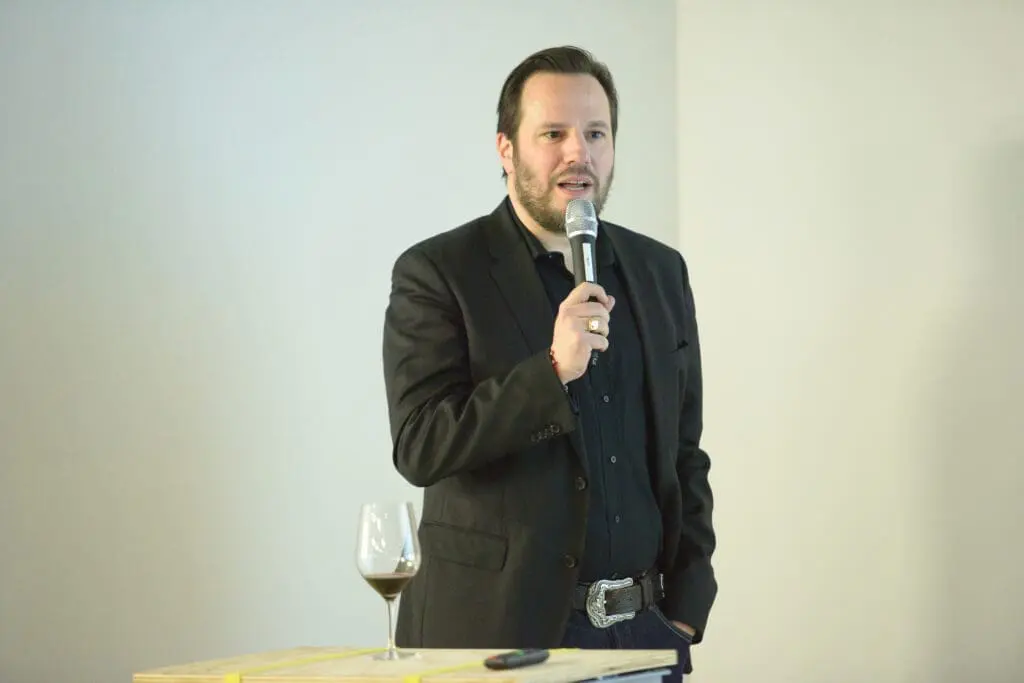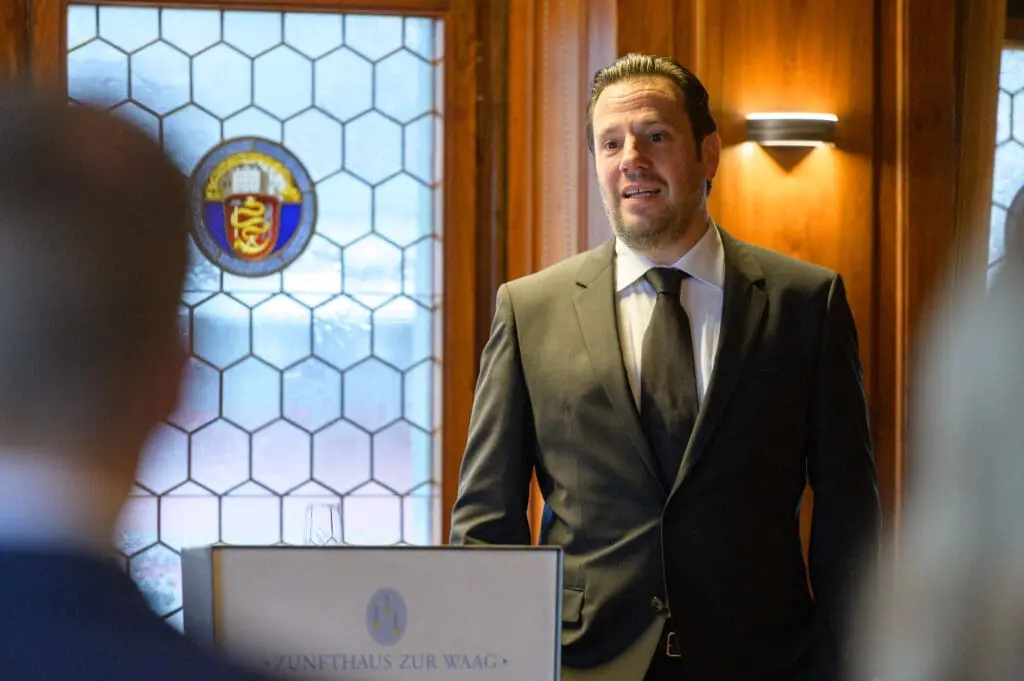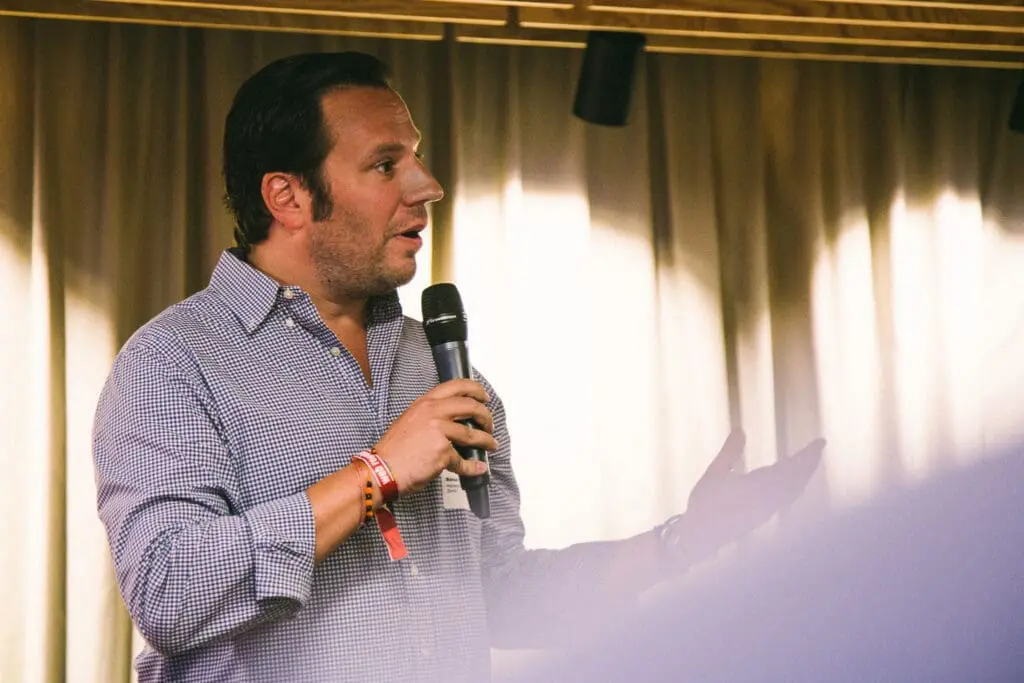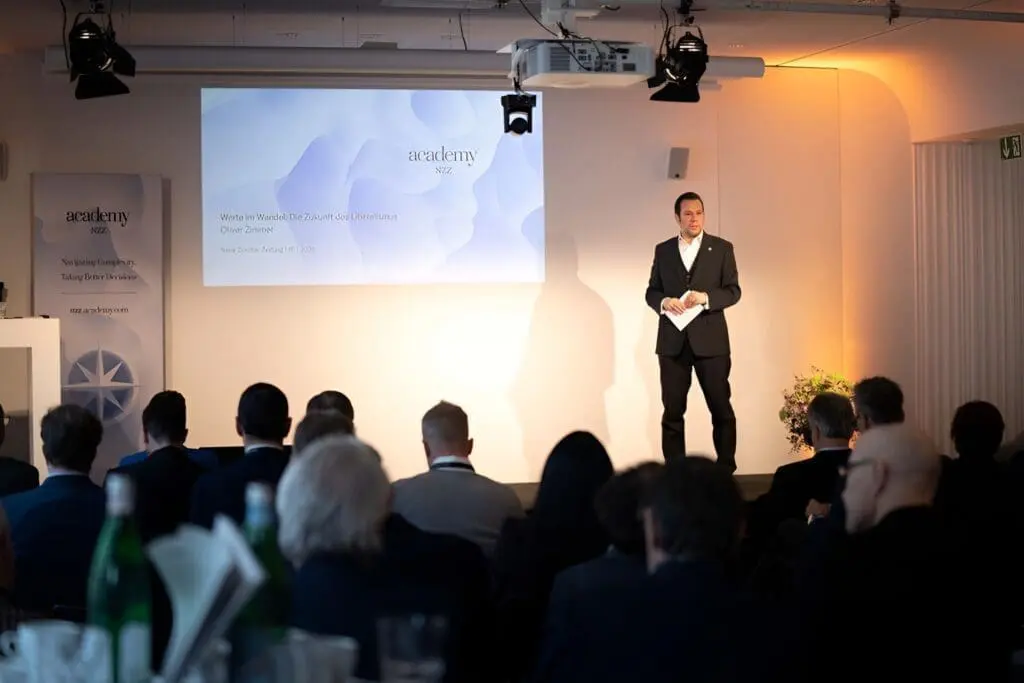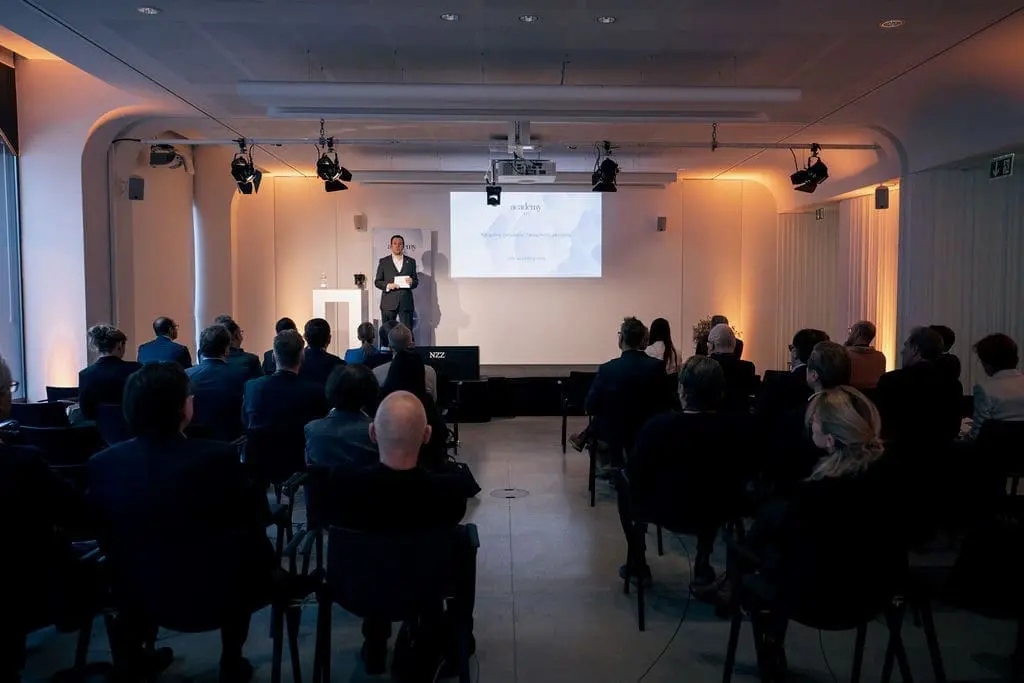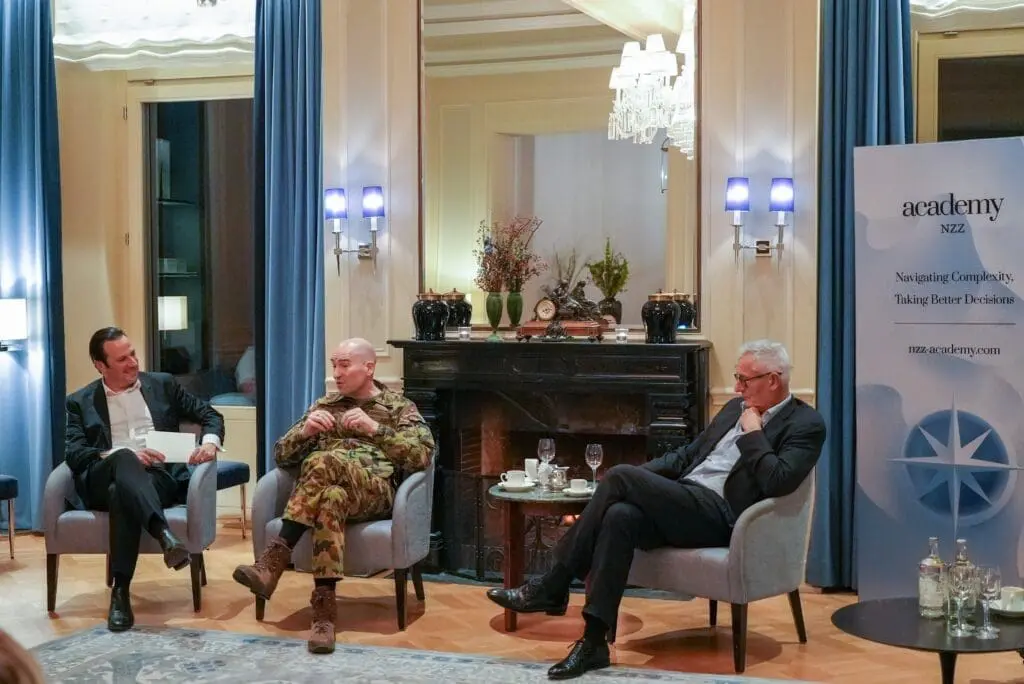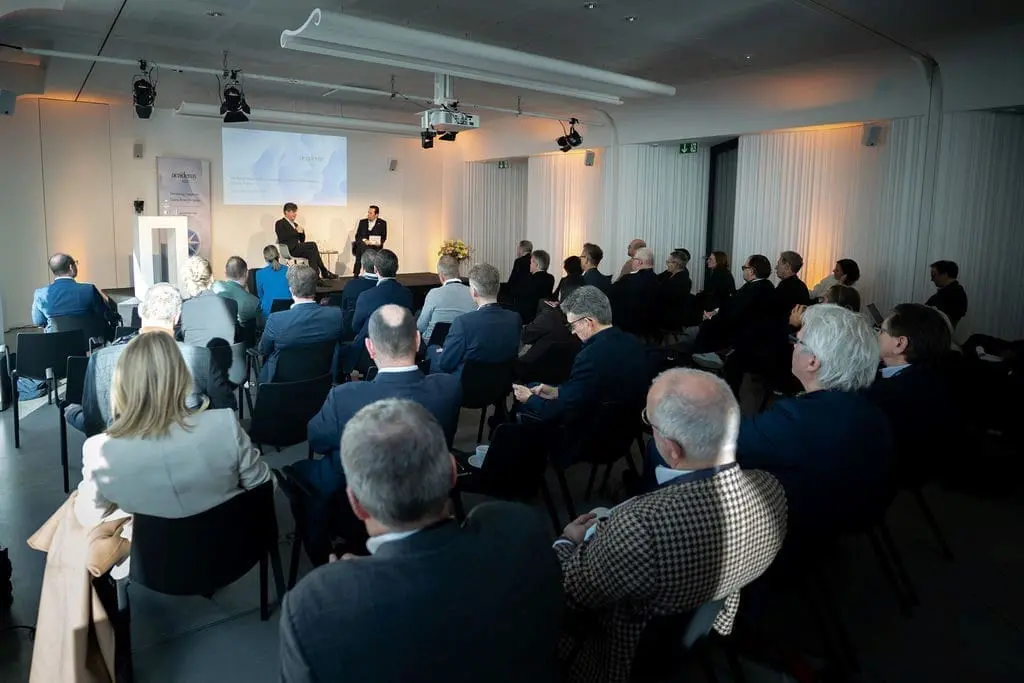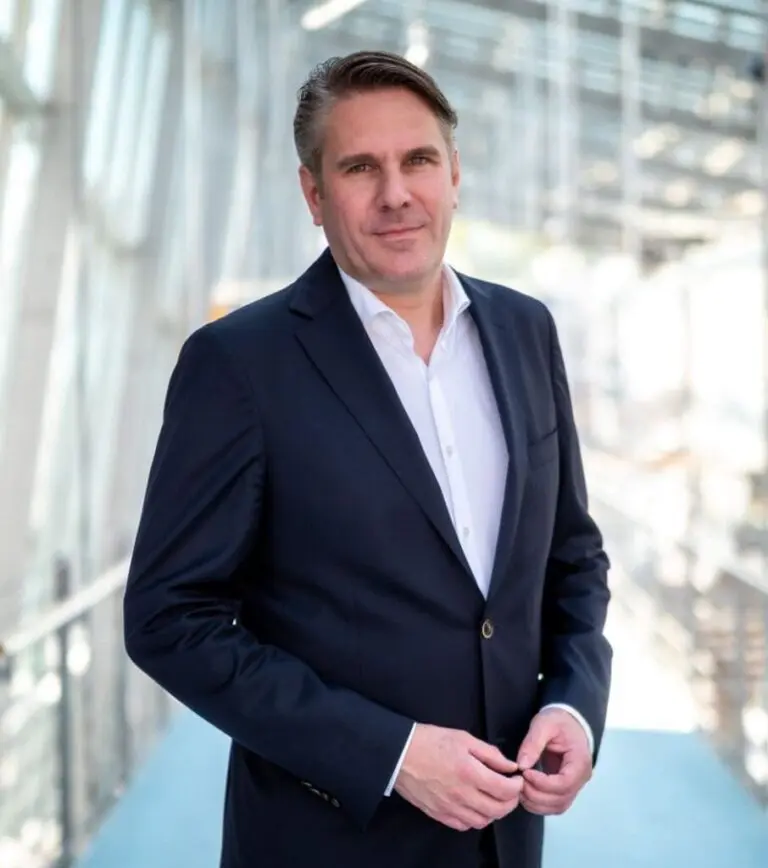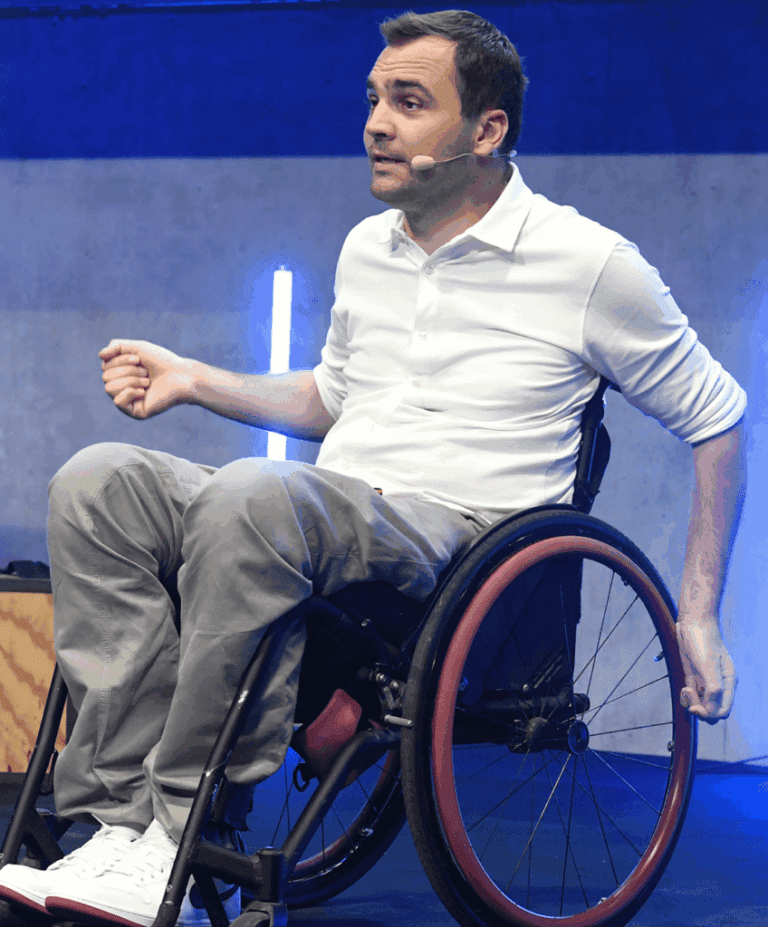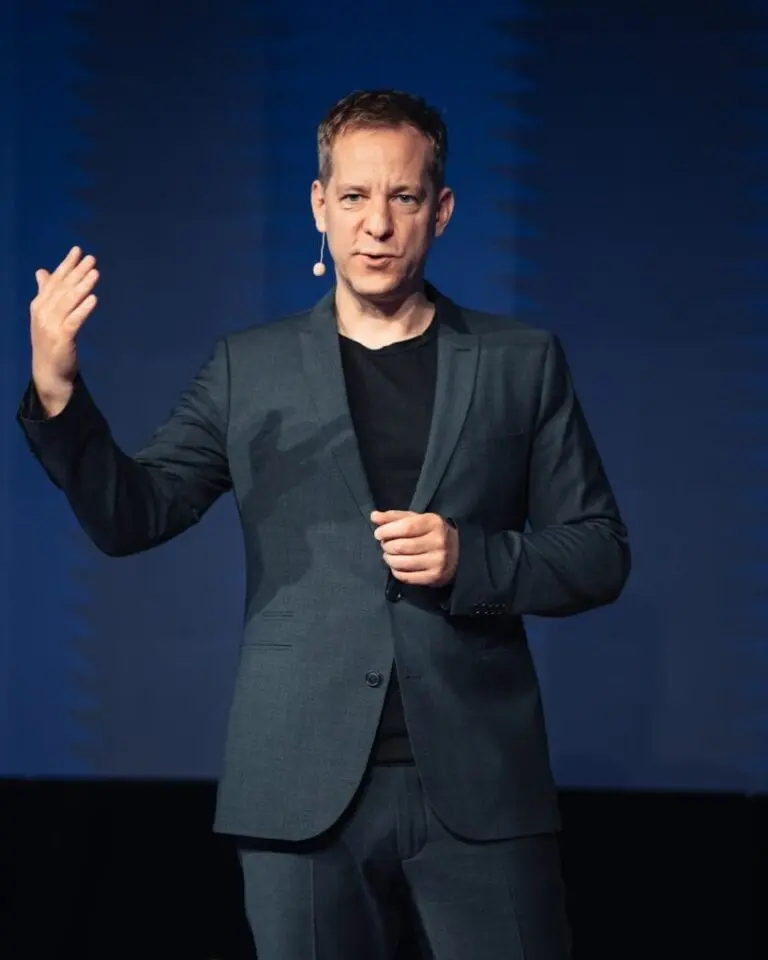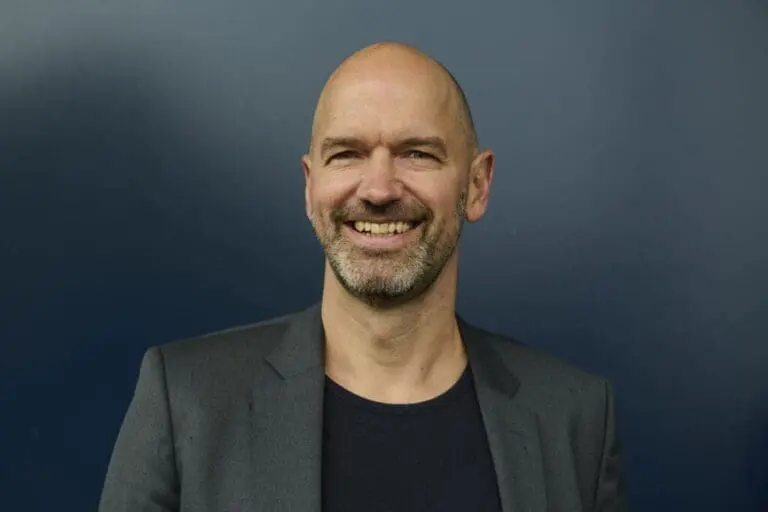














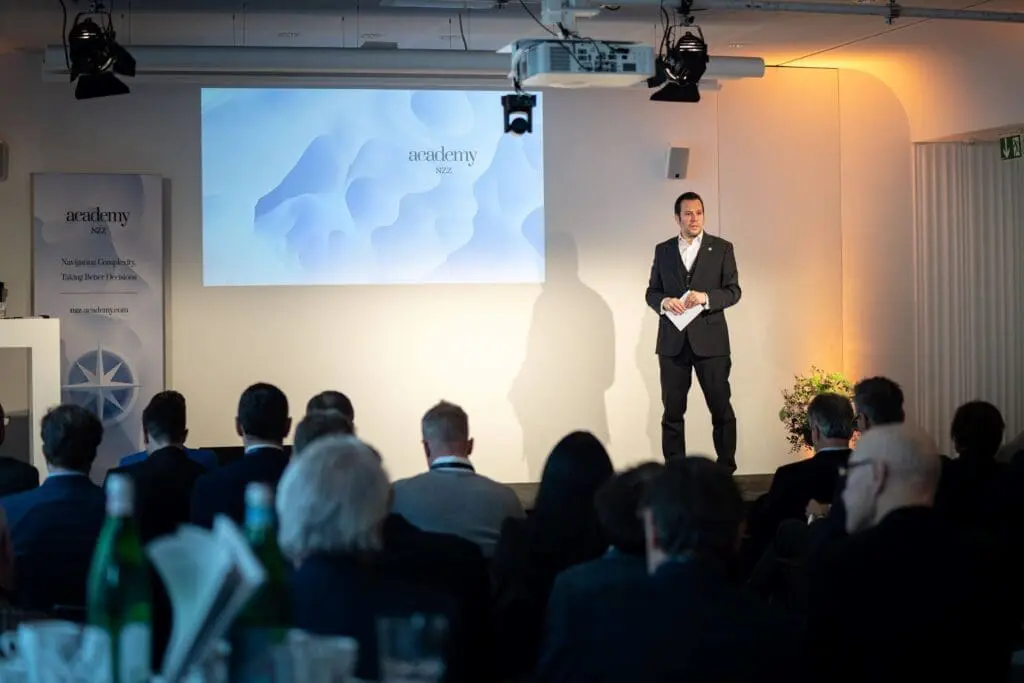
Manuel P. Nappo discusses a world where the rules have shifted. As the leader of the NZZ Academy and an independent board member, he connects topics that are often addressed separately: geopolitics, technology, and the resulting decisions.
He begins with a clear perspective. The world has not become unstable; rather, the rules that maintained stability have stopped working. Those who grasp this recognize a pattern behind the daily headlines and decisions behind that pattern. This is exactly where Manuel P. Nappo guides his audience: beyond the noise, towards understanding what this transformation means for Switzerland and their businesses.
Manuel P. Nappo views this new reality from two angles. For fourteen years, he led digital transformation efforts in Switzerland as the founder of the Institute for Digital Business and a pioneer of Europe’s first academic digital programs. Currently, he examines the geopolitical forces that both drive and limit this technology. Growing up in Italy but born in Zurich, he offers an external viewpoint that highlights Switzerland’s vulnerabilities more clearly than an internal perspective might.
Manuel P. Nappo Lecture topics
- The 2026 mid-term elections: What to anticipate in Washington — and their impact on us.
In November, the US will hold elections that will influence Europe — the extent of which remains to be seen. Manuel P. Nappo outlines expectations: potential outcomes of the midterms, the most probable scenarios, and their implications for tariffs, trade policies, Europe’s security assurances, and pressure on the Swiss franc. His conclusion is that Washington will no longer be a dependable partner but a variable to prepare for ahead of the results. Nappo explains why the US will shift from a unipolar approach to a pragmatic, interest-driven one, compelling Europe to respond. Attendees will leave with three actionable decisions concerning location, supply chains, and hedging. Waiting for the election results means reacting too late.
- The Middle East, closer consequences: what the war means for Europe and Switzerland.
Though the war is thousands of miles away, Switzerland bears the costs. Nappo emphasizes three channels through which this distant conflict impacts us: energy, supply chains, and capital. The potential closure of the Strait of Hormuz is not a theoretical issue but directly affects energy prices and Europe’s industrial competitiveness. Additionally, the region serves as a proxy battleground where global alliances between North and South are permanently shifting. This situation raises a challenging question for Switzerland: what does neutrality mean today when energy, technology, and capital are no longer neutral? Distance no longer offers protection, only delay.
- Six straits through which your daily life flows.
Your day begins at six critical chokepoints, none of which you have seen. Nappo traces a product — such as a phone, a fuel tank, or a shopping bag — back through Hormuz, Malacca, Suez, Bab al-Mandab, the Bosphorus, and Panama. The path from raw materials to the end consumer is more uncertain in 2026 than in 2020, not due to natural forces but control: whoever controls these chokepoints controls the global economy. This represents the new geopolitics of infrastructure — including ports, canals, and cables. For businesses, this means shifting from ‘just-in-time’ to ‘just-in-case’. The world map has six locks, and we do not hold the keys.
- AI, models, chips, rare earths, supply chains: the new geography of power.
What appears to be a race for artificial intelligence is actually a contest for raw materials and manufacturing capabilities. Drawing on fourteen years leading digital transformation, Nappo guides the audience through the value chain — from rare earths to chips to models — revealing who controls each stage and where bottlenecks exist. Chips have become the new oil wells: control over computing power equates to sovereignty. He also exposes Europe’s misconception of technological sovereignty without its own raw materials strategy, while remaining dependent on China. The AI issue is not merely about software; it is fundamentally about geography.
- From crisis mode to systemic change – The global redistribution of power and influence.
We are not experiencing a crisis but a systemic transformation. Nappo places the current situation within a long historical context — from a bipolar world, through a brief unipolar phase, back to the historical norm of competing powers. The post-war order is not collapsing but being replaced, bringing new rules: prioritizing security over efficiency, location over cost, and adaptation over planning. This raises a critical question for Swiss decision-makers: what will happen to the model of a small, neutral trading nation in an era of power blocs, and how can Switzerland remain capable of action? Those adhering to outdated rules will lose under rules that no longer apply.
Who is Manuel P. Nappo
Since August 2024, Manuel P. Nappo has been founding and leading the NZZ Academy — the executive program of Neue Zürcher Zeitung, which annually supports over a hundred board members and C-level executives in navigating the geopolitical, technological, and economic changes of our era. This program applies practically the themes he discusses publicly: from systemic shifts in the global order and the new geography of power to questions about who remains capable of acting amid declining sovereignty.
Manuel P. Nappo addresses these challenges not as an outsider but from within organizations. As an independent board member, he advises multiple companies. In 2024, he completed the International Directors Programme at INSEAD in Fontainebleau to meet contemporary governance standards.
His expertise in technology is earned through experience. From 2010 to 2024, he founded and directed the Institute for Digital Business at HWZ Zurich, transforming it into a center that trained over two thousand executives. In 2011, he launched Europe’s first academic degree in Social Media Management and subsequently developed the MAS in Digital Business, the Executive MBA in Digital Leadership, and in 2024, the MAS in AI Leadership. His fourteen years at the forefront of digital transformation enable him to interpret the geopolitical forces behind technology — including chips, models, raw materials, and supply chains.
His career has been international from the outset. Born in Zurich in 1971 and raised in Ferrara, he studied International Management at the University of St. Gallen (HSG), spent a semester at the University of Gothenburg, and completed an internship in the USA. He is an alumnus of Singularity University in Silicon Valley and INSEAD, and speaks German, Italian, English, and French. Before his academic career, he founded an agency in 2005 specializing in branded entertainment and co-founded the Digital Festival Zurich in 2016, growing it into an event with over three thousand participants.
For his contributions to digital education in Switzerland, Manuel P. Nappo was honored as ‘Digital Pioneer of the Year’ by IAB Switzerland in 2013 and ‘Thought Leader of the Year’ by the Swiss marketing and communications sector in 2014.
As a highly sought-after keynote speaker — including at the Alpensymposium — and as a commentator for SRF, Handelszeitung, and NZZ, he brings this perspective to both the stage and public discourse.