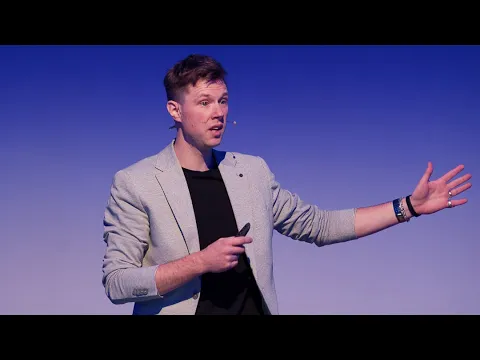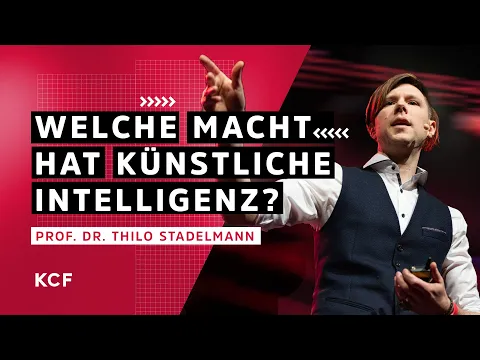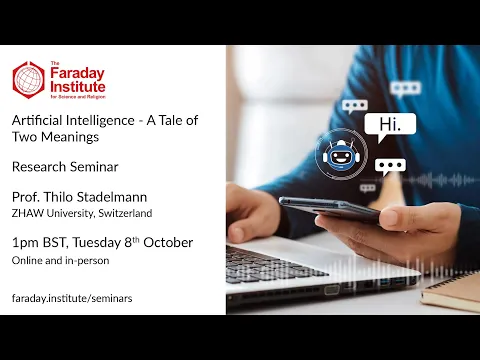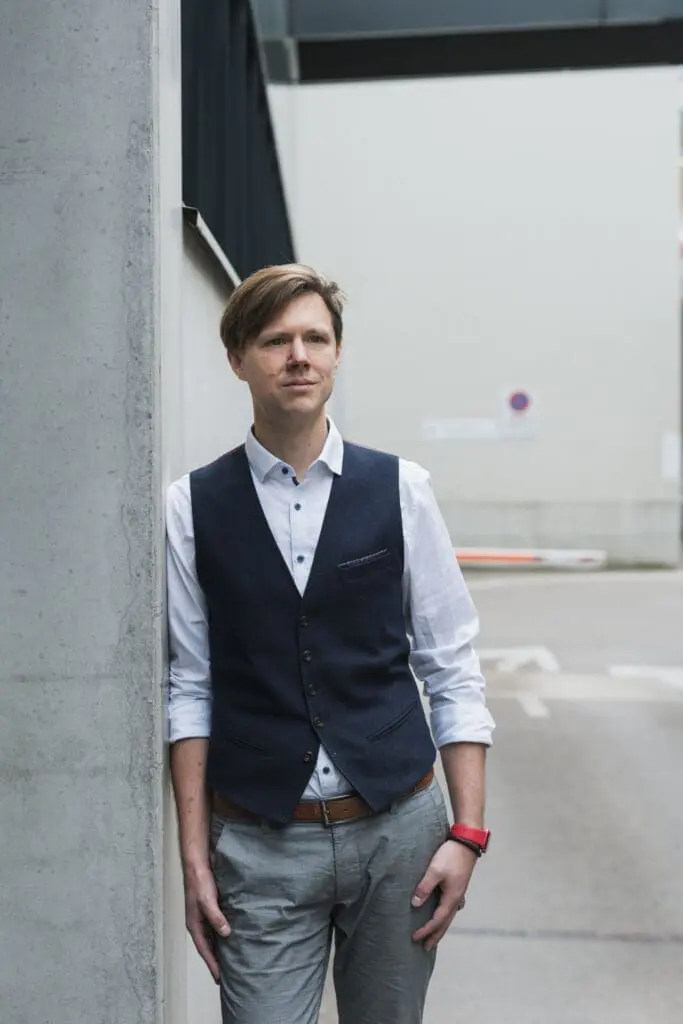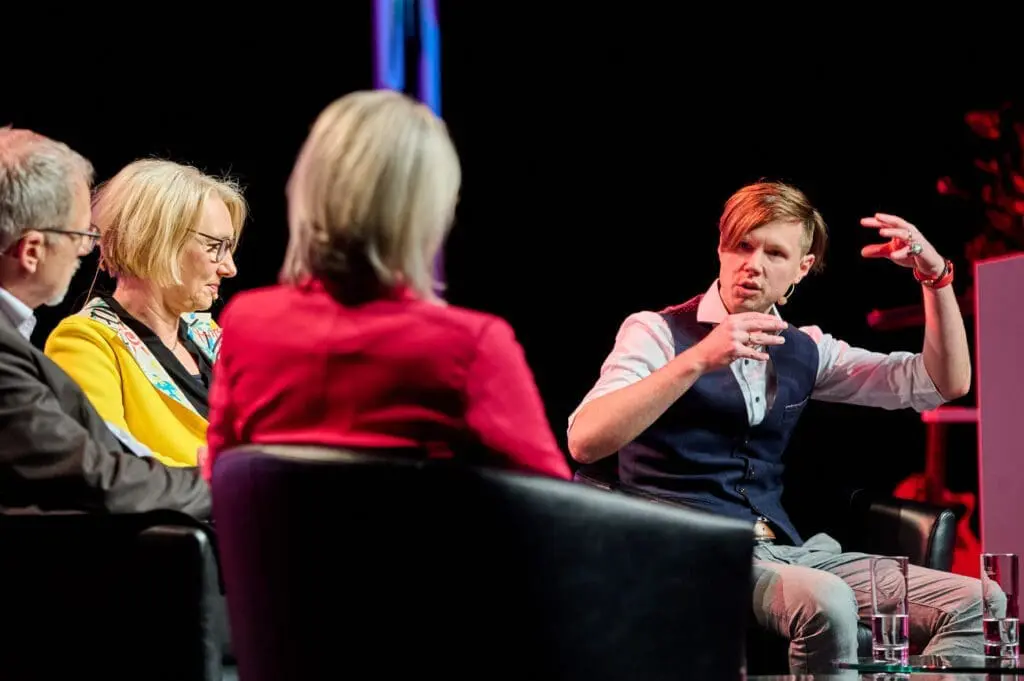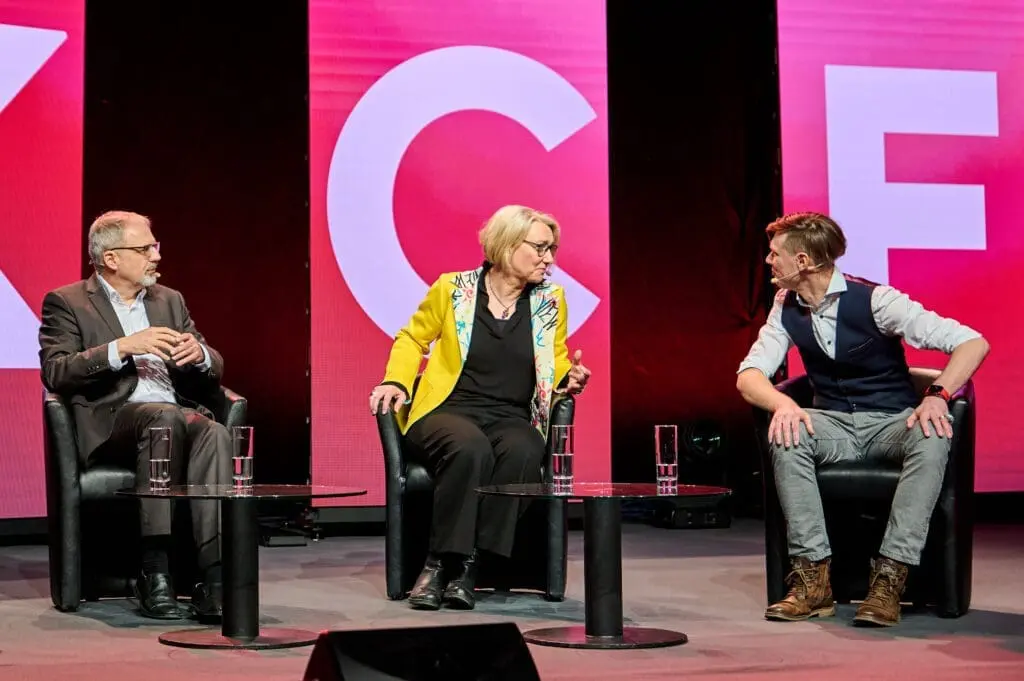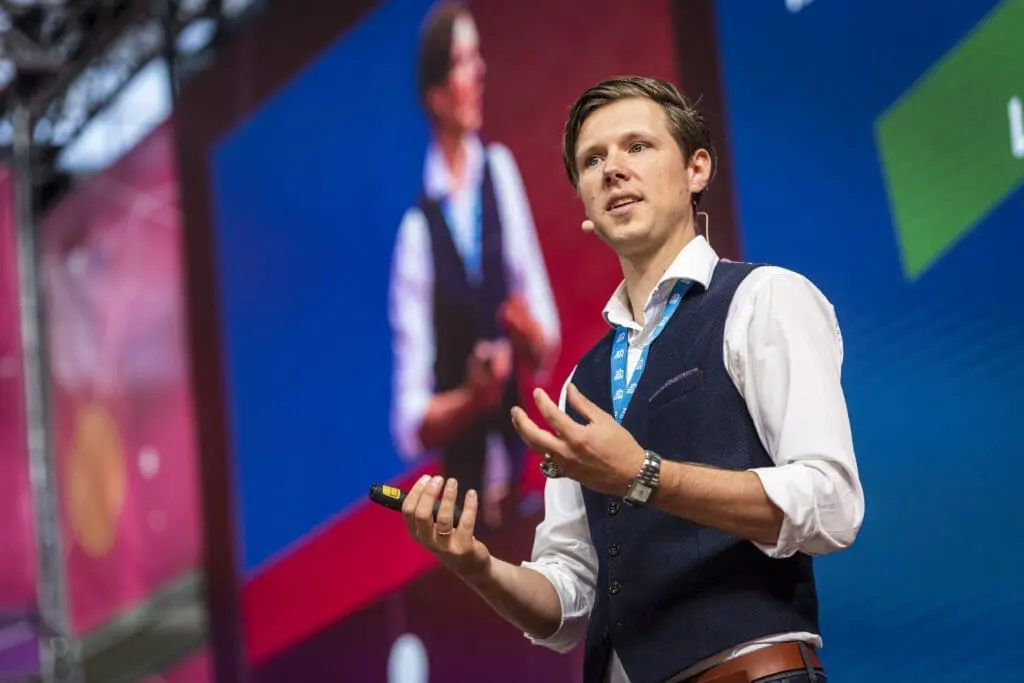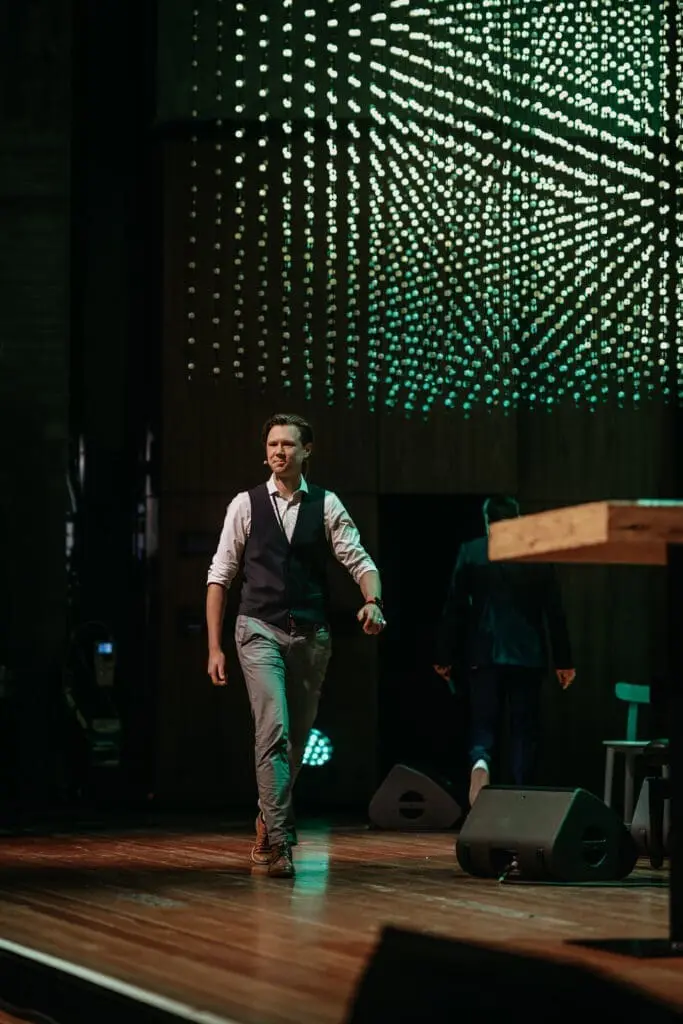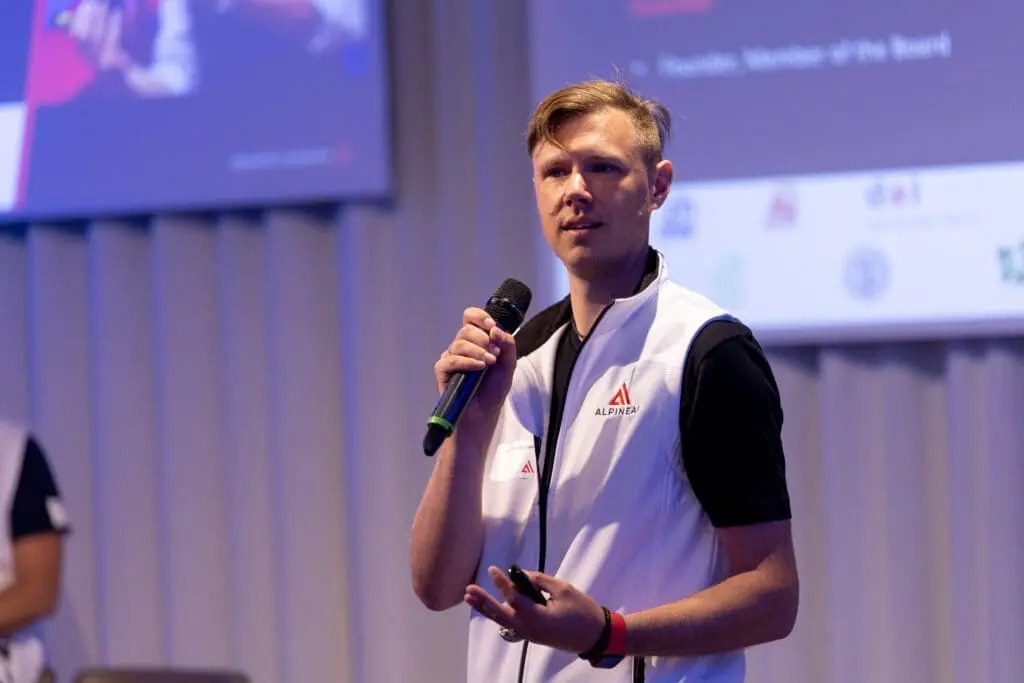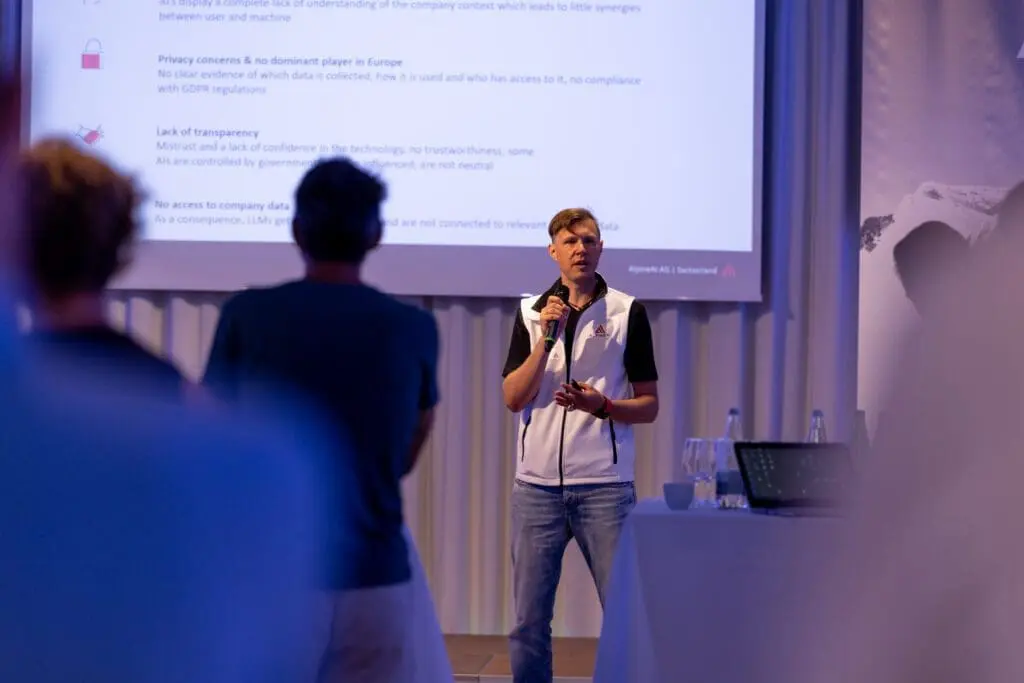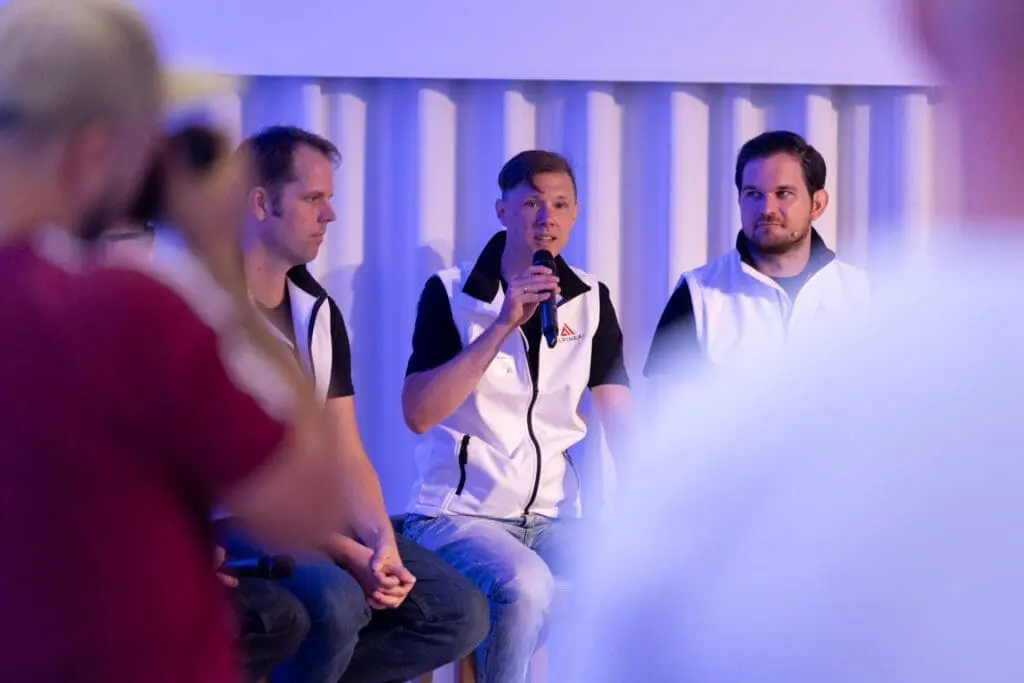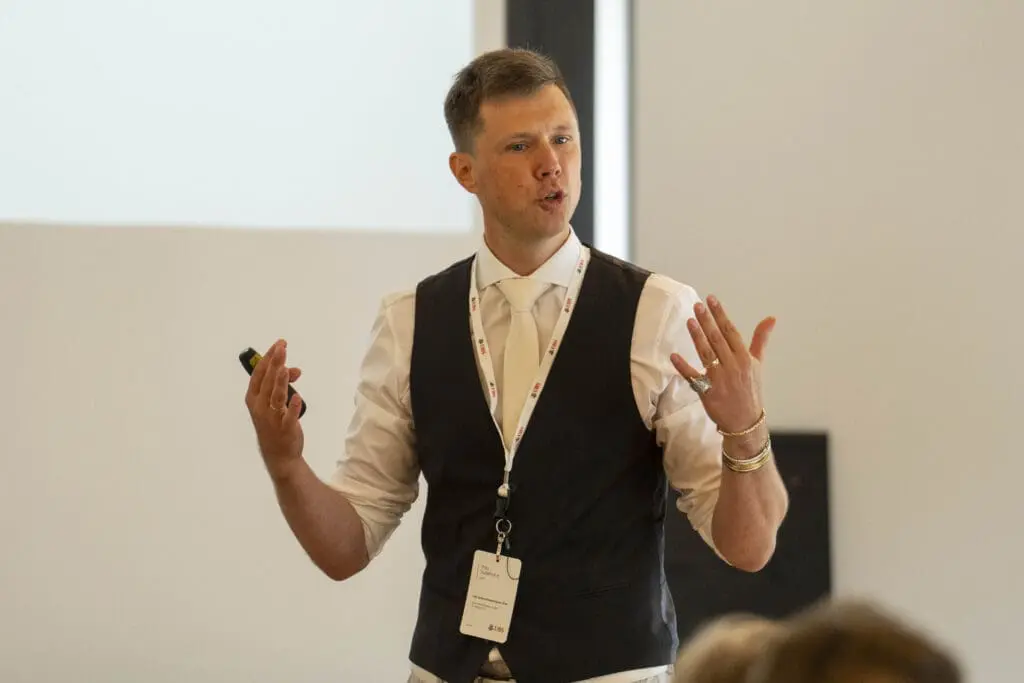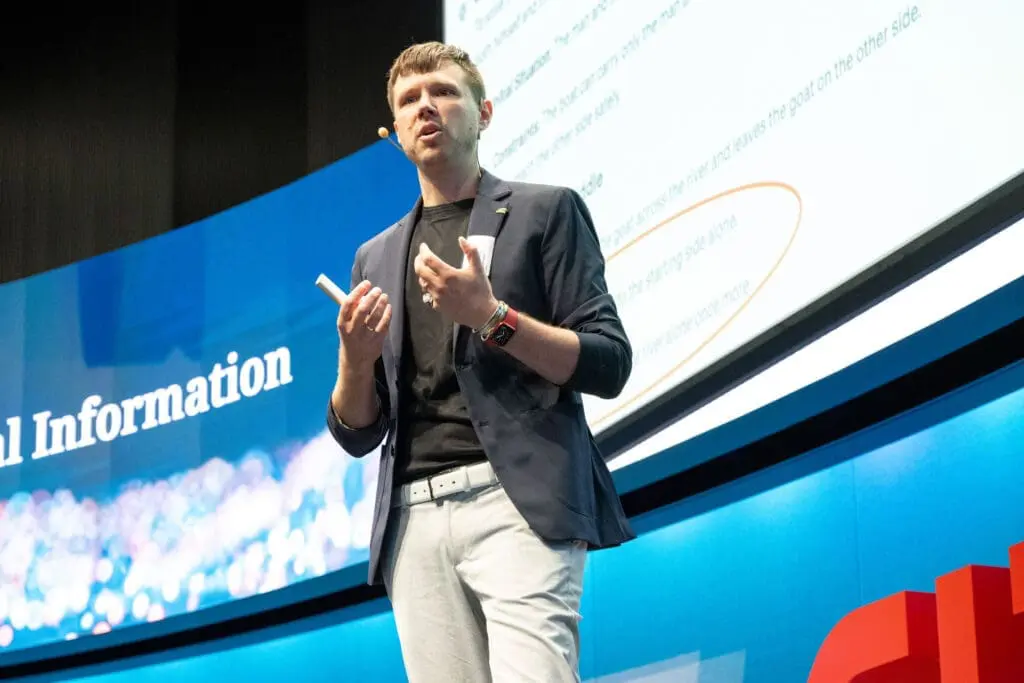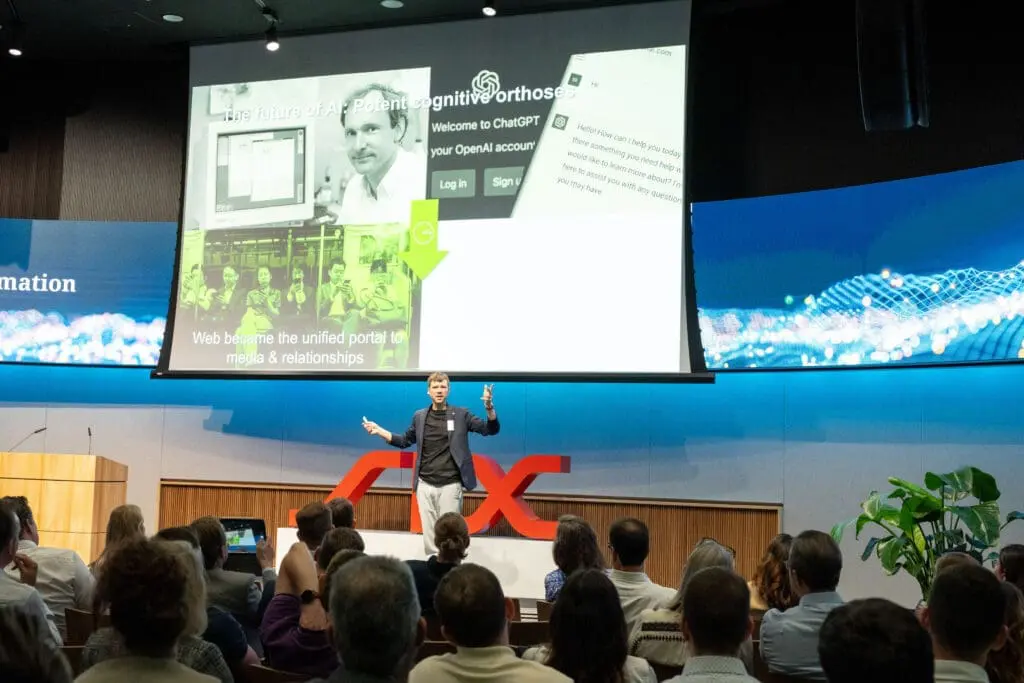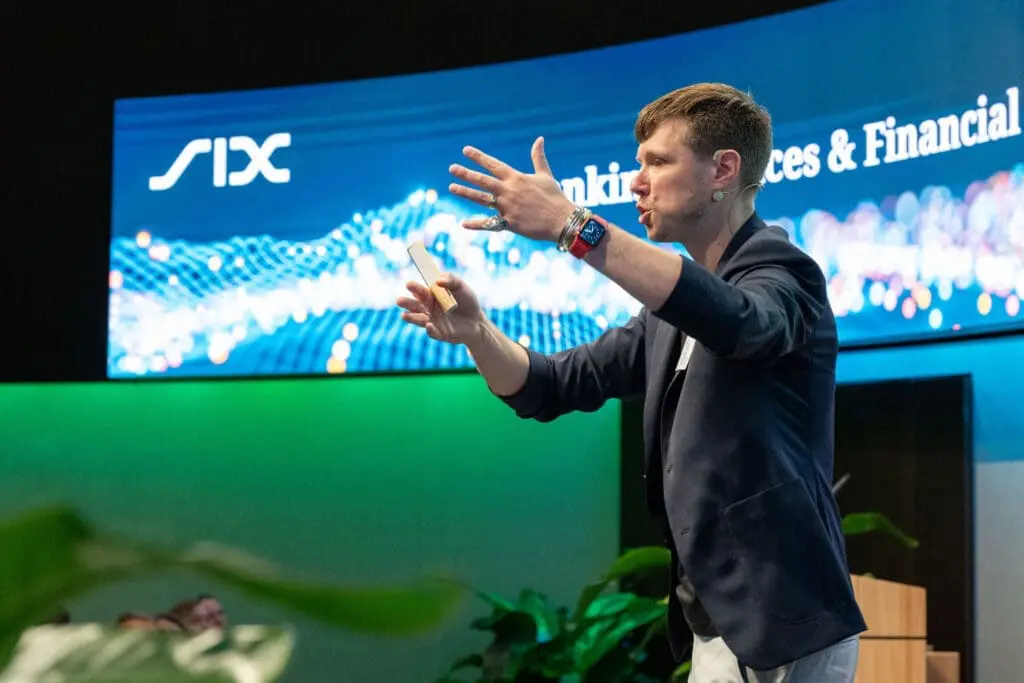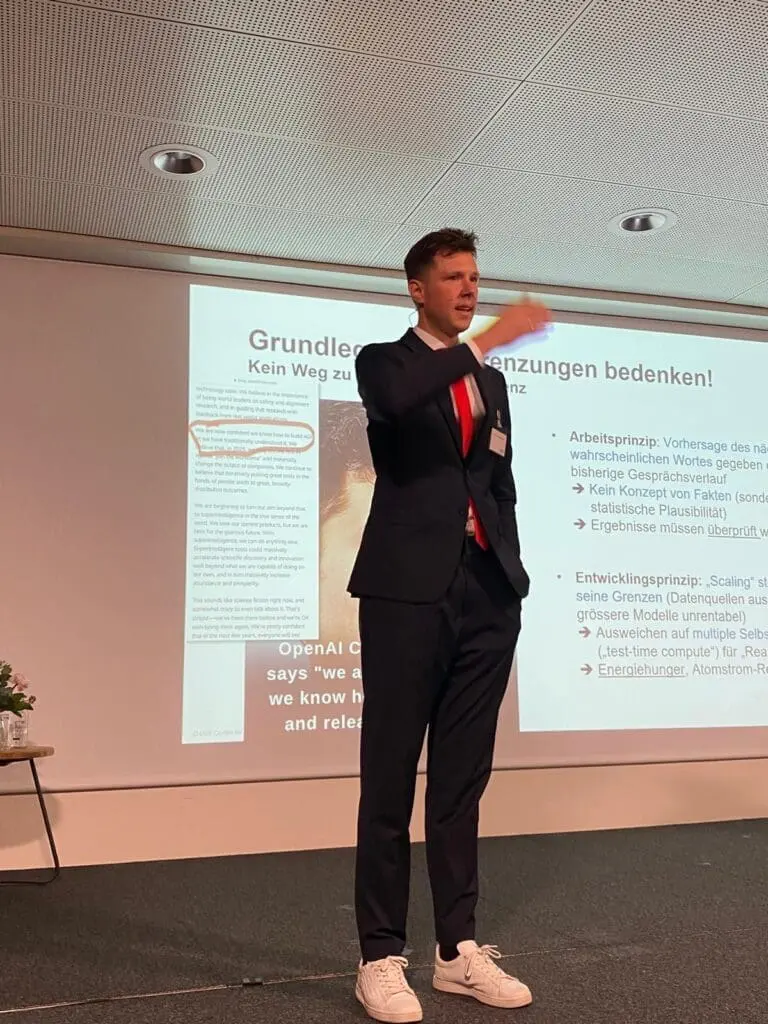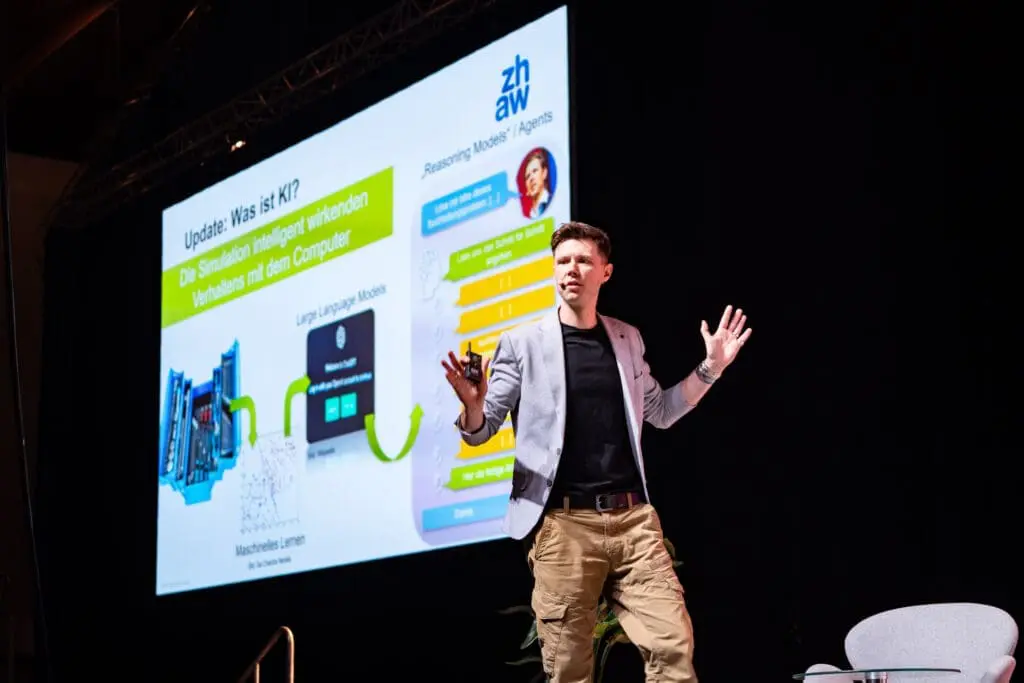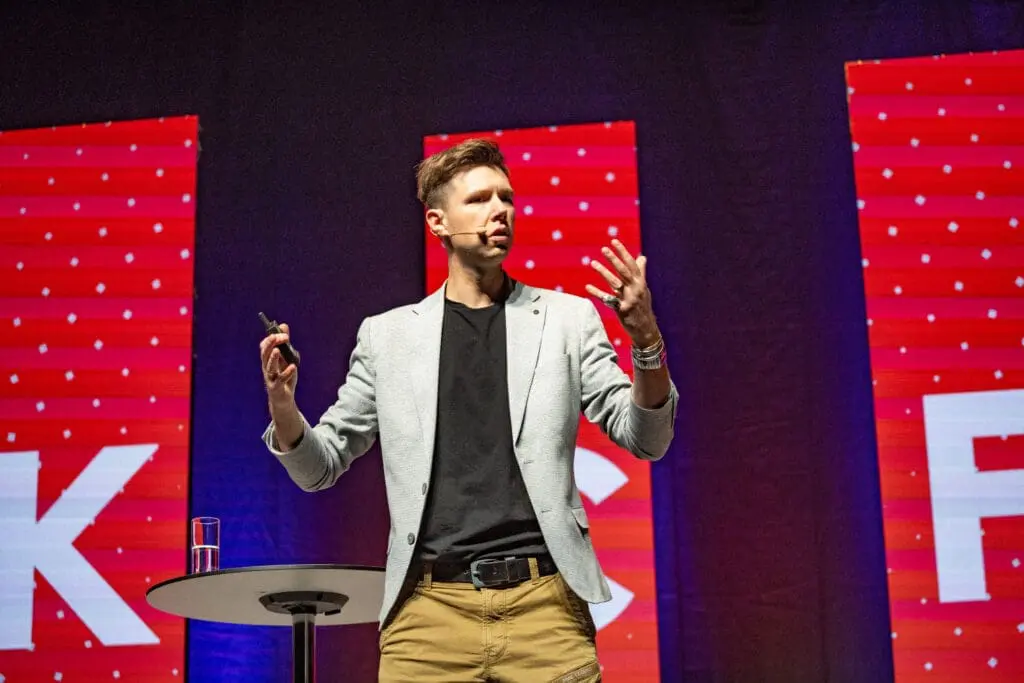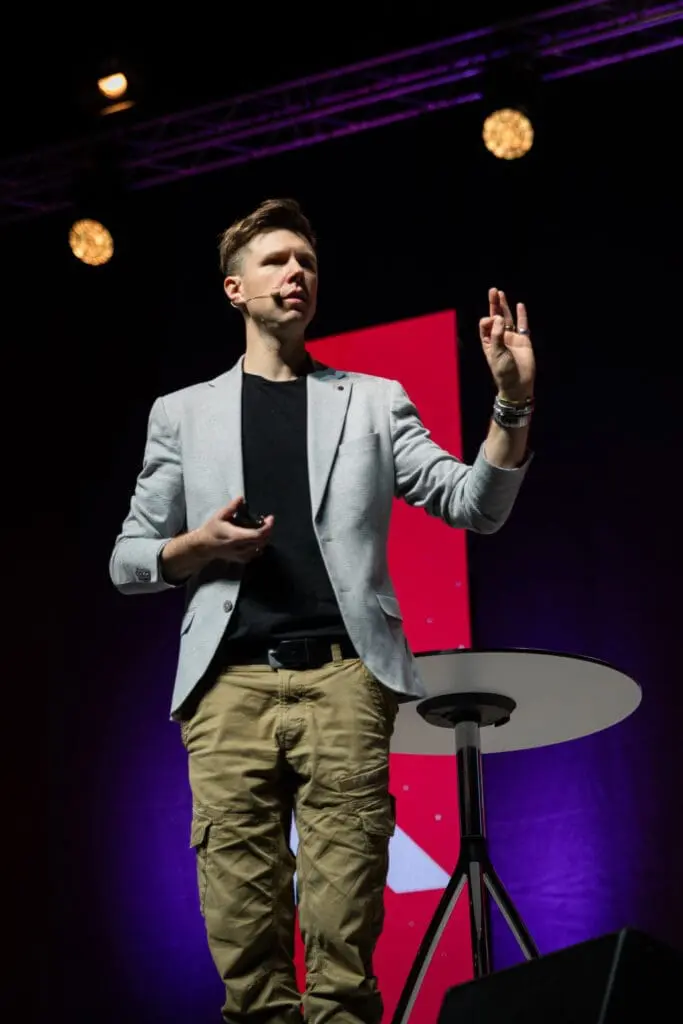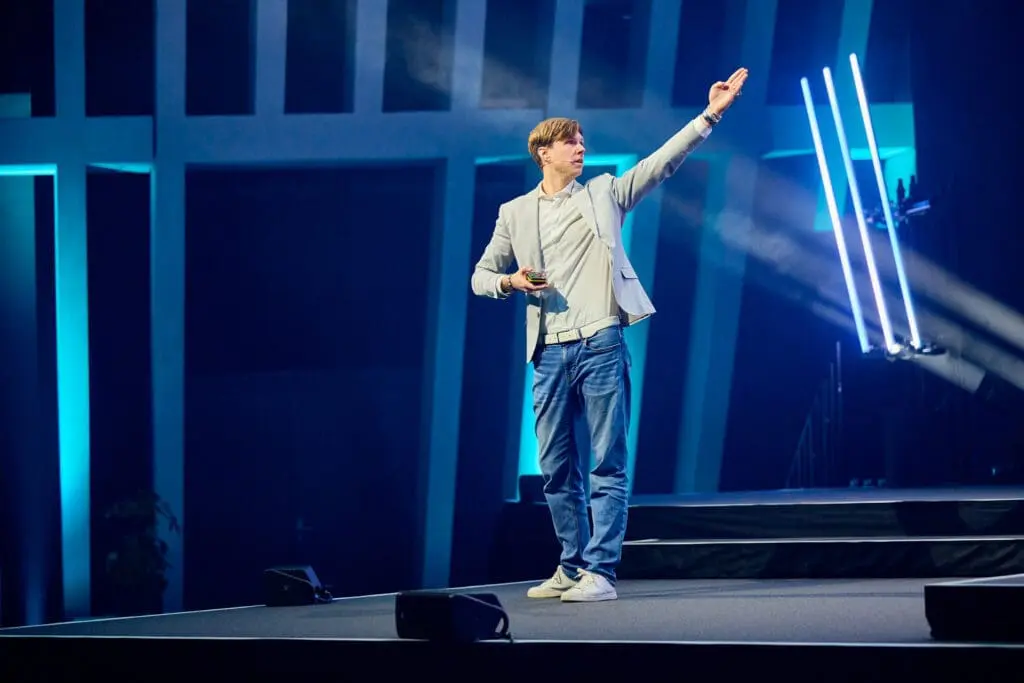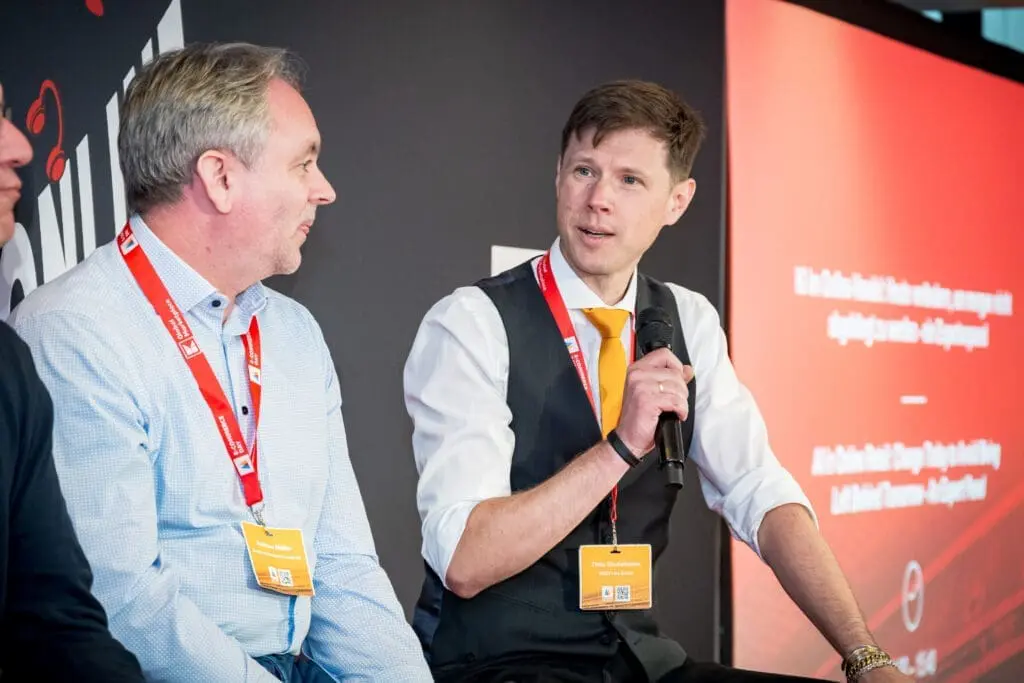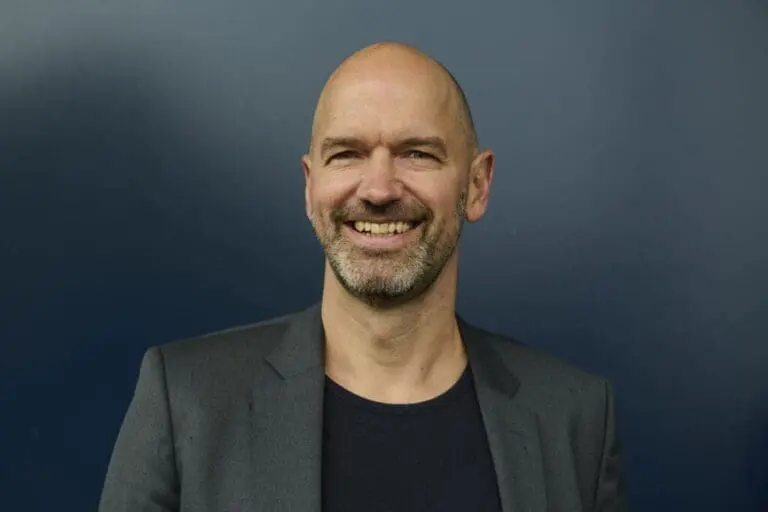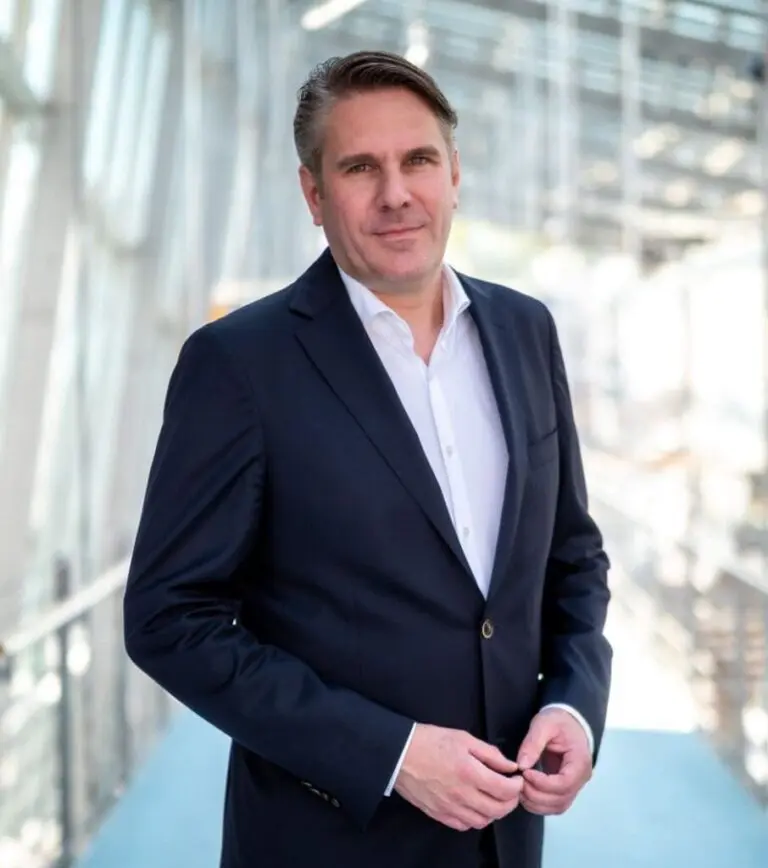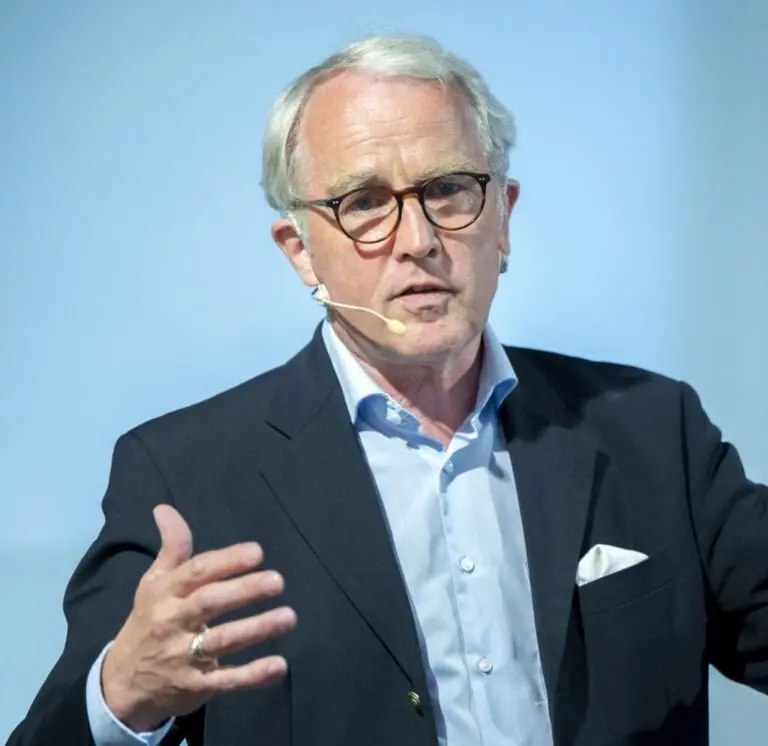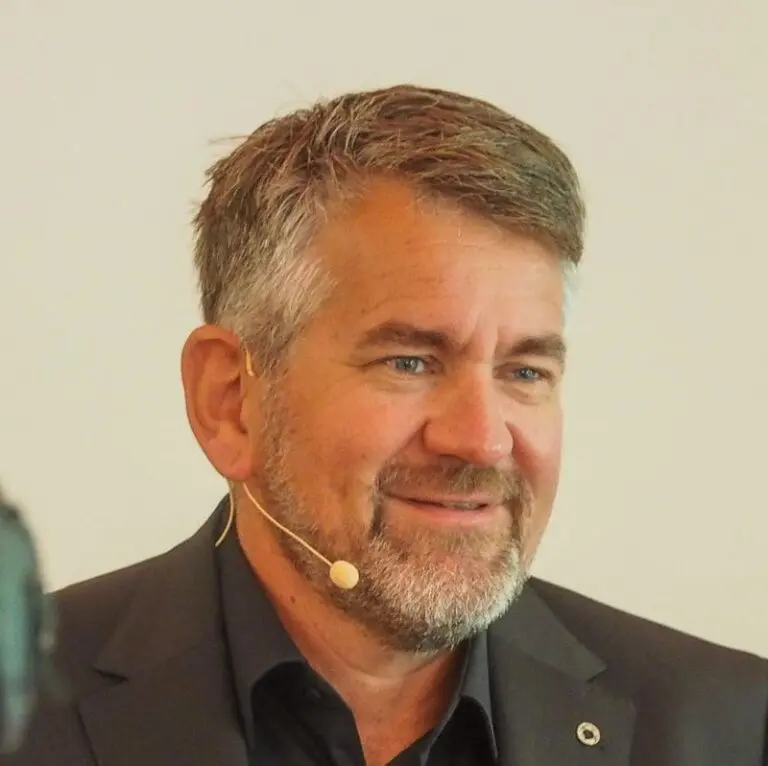


















Thilo Stadelmann serves as Professor of Artificial Intelligence and Machine Learning at the ZHAW School of Engineering in Winterthur, Switzerland, where he leads the Centre for Artificial Intelligence and its research group focused on “Computer Vision, Perception & Cognition.” He is also a co-founder of AlpineAI, a start-up that offers SwissGPT solutions for businesses.
Thilo Stadelmann completed his computer science studies in Giessen and Marburg, earning his doctorate in 2010 with a dissertation on multimedia analysis and voice biometrics at Philipps University of Marburg. Following this, he spent several years in the automotive sector, holding various specialist and managerial positions related to software systems for vehicle development and driver assistance technologies.
Thilo Stadelmann lecture topics
Key topics:
- Agentic AI: Opportunities and limitations.
Recently, AI systems have evolved to become “agentic,” expanding their functions from simple chat-based Q&A to executing longer tasks with a degree of autonomy, including reading and writing local files, browsing the internet, and using other software tools. Is this advancement a breakthrough in productivity for coding, writing, and business processes, a trigger for widespread job displacement, or something else entirely? I provide strategic perspectives grounded in an explanation of the underlying technology and the economics of agents, drawing conclusions that consider technological sovereignty, human well-being, and financial outcomes.
- Human-AI Collaboration: Setting the new standard.
As AI becomes more integrated into our work, processes, and personal decision-making, the focus shifts from the intelligence of models to designing interactions that maximize AI’s benefits: delivering reliable and sustainable advantages for humans. Drawing on recent research, I offer insights into achieving calibrated trust in human-AI partnerships, enabling meaningful human control through co-learning. Furthermore, addressing evidence that extended chatbot use can negatively impact agency and meaning, I demonstrate how AI can be designed to enhance human flourishing and core capabilities, following pro-human AI design principles.
AI in your Organisation:
- The AI advantage: Strategies to unlock business value in practical applications.
Artificial intelligence is a widely discussed topic. While it has demonstrated broad utility, it also exhibits surprising weaknesses. How do these aspects coexist, and what realistic benefits can be expected in professional settings? This topic is explored through detailed explanations and numerous real-world examples.
- Real-life machine learning: How research addresses industrial challenges and helps navigate the AI craze.
How can AI effectively solve practical problems? How do collaborative innovation projects between industry and academia produce novel and relevant solutions? We review recent findings from our research, including solutions for rotated object recognition, document recognition for technical drawings and complex documents, and industrial process monitoring and control. Equipped with this knowledge, we look ahead to the future of AI and its relationship with humans.
- Artificial Intelligence: An introductory guide.
Artificial intelligence is pervasive. How is it transforming our personal and professional lives, as well as society? What are the opportunities, risks, limitations, and future prospects? Should we be concerned or optimistic? In an engaging, accessible, and thorough manner, I introduce the subject, clarify connections, provide examples, foster understanding, and inspire hope.
AI and Society:
- Pro-human AI: Designing AI systems to promote human flourishing.
AI is reshaping not only our work but also our humanity and identity. Each interaction with an AI assistant influences our behavior, teaching new patterns and unlearning others. Does this support our full potential or diminish our humanity? We explore how AI can be designed with a pro-human focus to enable human flourishing and examine positive, livable future scenarios involving AI.
- Decoding tomorrow: Envisioning a humane future with AI.
A hopeful and humane future with AI is achievable, distinct from the widespread doomsday narratives such as existential threats, massive job losses, or a useless class. We explore the outlook for 2035 while acknowledging the risks and challenges of change.
- Artificial Intelligence: Understanding its dual meanings.
How can we interpret the vastly different perspectives on AI’s impact and future as portrayed in (social) media? Where are we headed, and who is correct? I propose that AI is both a technology and a symbol for certain philosophical and economic worldviews. Clarifying these meanings helps categorize opinions, understand motivations, and assess their credibility. Recognizing the worldviews behind AI debates enables confident decision-making within our areas of influence.
- The most essential resource today: Hope, and AI’s role in it.
Society faces crises environmentally, economically, politically, and psychologically. Young people’s mental health is in epidemic decline, rooted in feelings of helplessness and lack of agency over their futures. At the core is a deficit of hope. We examine current AI trends regarding their contribution to hope and how AI can be designed to foster rather than diminish it.
- How to overcome fear of AI.
In conversations about AI, fear frequently arises: concerns about job displacement by chatbots, dependency on systems leading to loss of critical life skills, or fears of AI dominance. How justified are these fears? How rationally can we approach one of today’s most significant trends? I address these questions by clarifying what AI is and is not, and by examining the origins of some of the most alarming ideas.
Thilo Stadelmann: Data-centric Innovation – What drives successful digital innovation and how data becomes valuable?
Thilo Stadelmann co-founded and serves on the board of the Data Innovation Alliance, Switzerland’s largest network for data-driven value creation, and the ZHAW Datalab, one of Europe’s earliest dedicated data science research organizations, which he led until 2018.
He established the “Swiss Conference on Data Science,” an annual event attracting over 600 experts and decision-makers from business and academia, and contributed to his university’s leadership as the founding scientific director of its strategic digital transformation initiative. His book, “Applied Data Science – Lessons Learned for the Data-Driven Business,” was published by Springer in 2019.
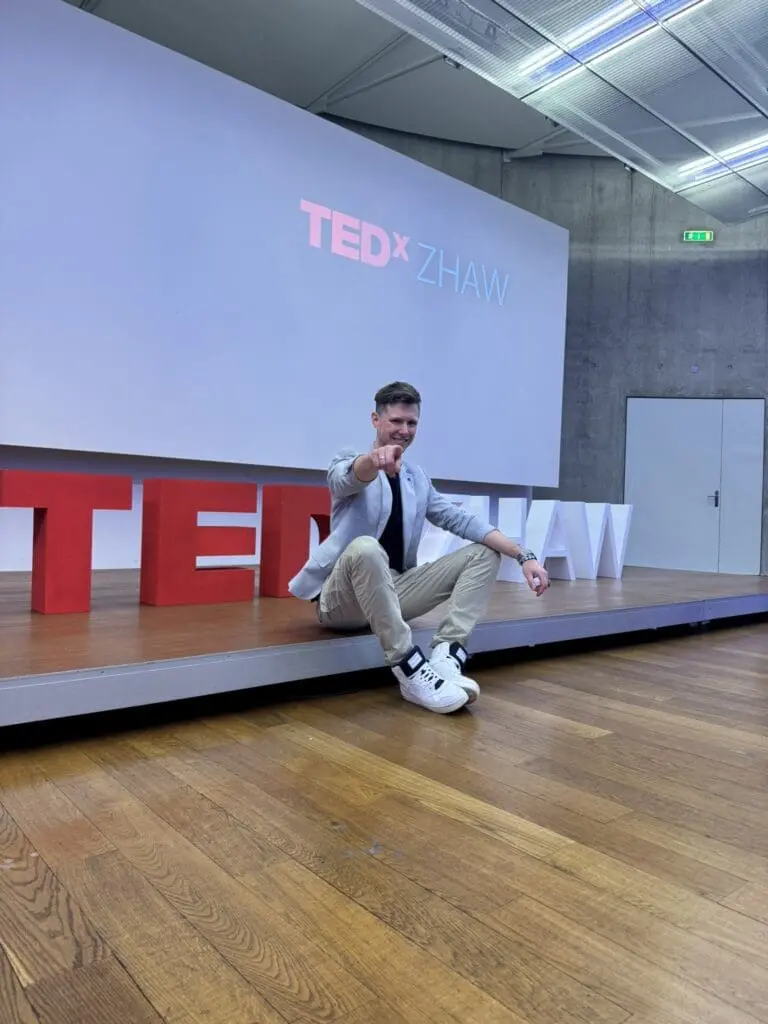
Thilo Stadelmann is an engaging speaker who motivates his audience. He expertly discusses the background, opportunities, and risks of current technologies in artificial intelligence, data-driven value creation, and digital transformation, explaining concepts, demonstrating applications, and highlighting possibilities for society, organizations, and individuals. His goal is to foster understanding and alleviate unfounded fears so that opportunities can be embraced and risks mitigated. Whether addressing C-level executives, trainees, non-experts, or specialists, he skillfully adapts to his audience and resonates effectively.
Thilo Stadelmann is married with a son, a dedicated amateur musician, an enthusiastic kitesurfer, and passionate about spirituality.