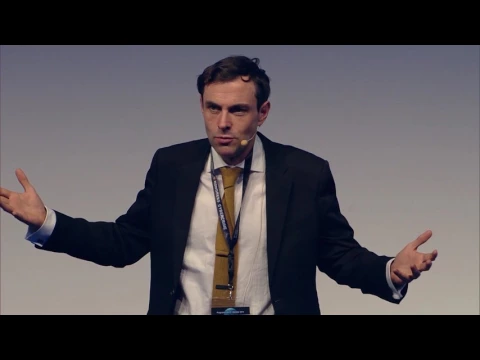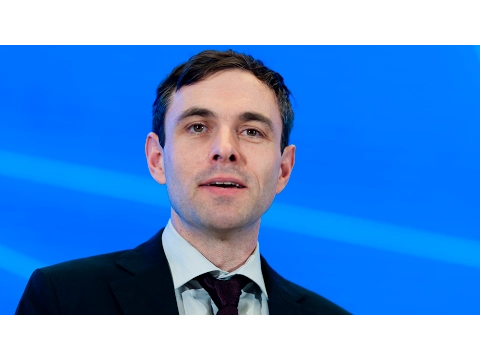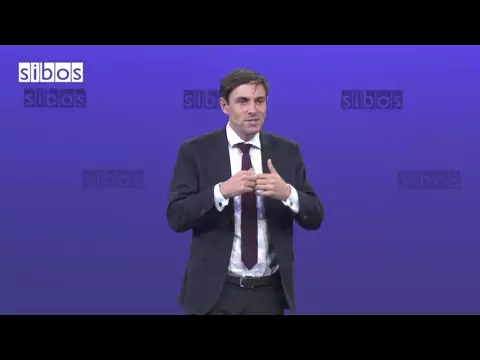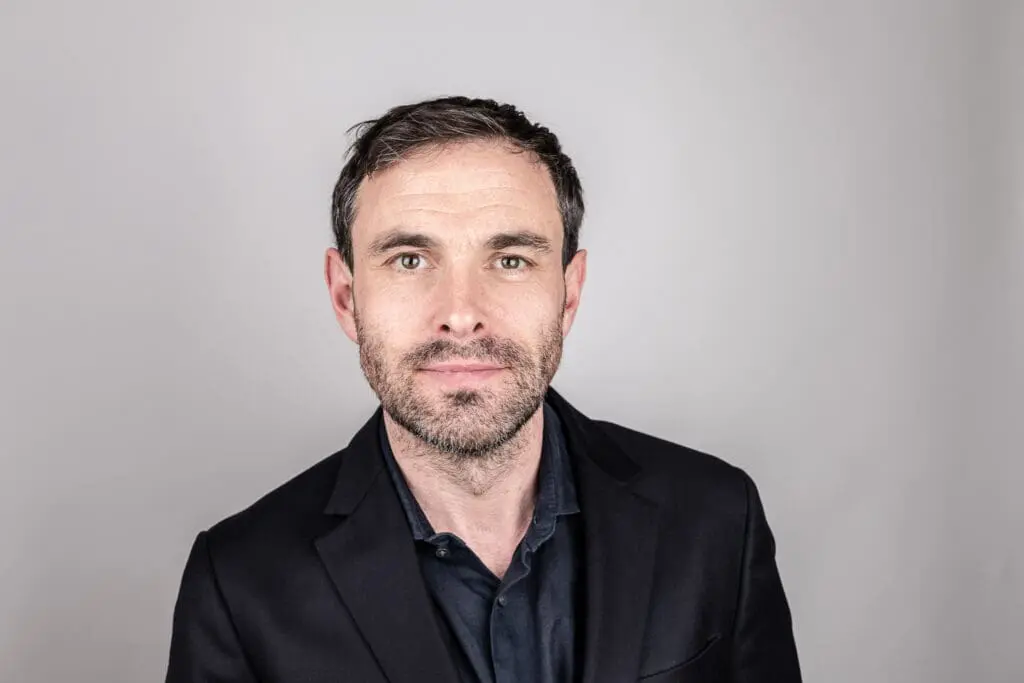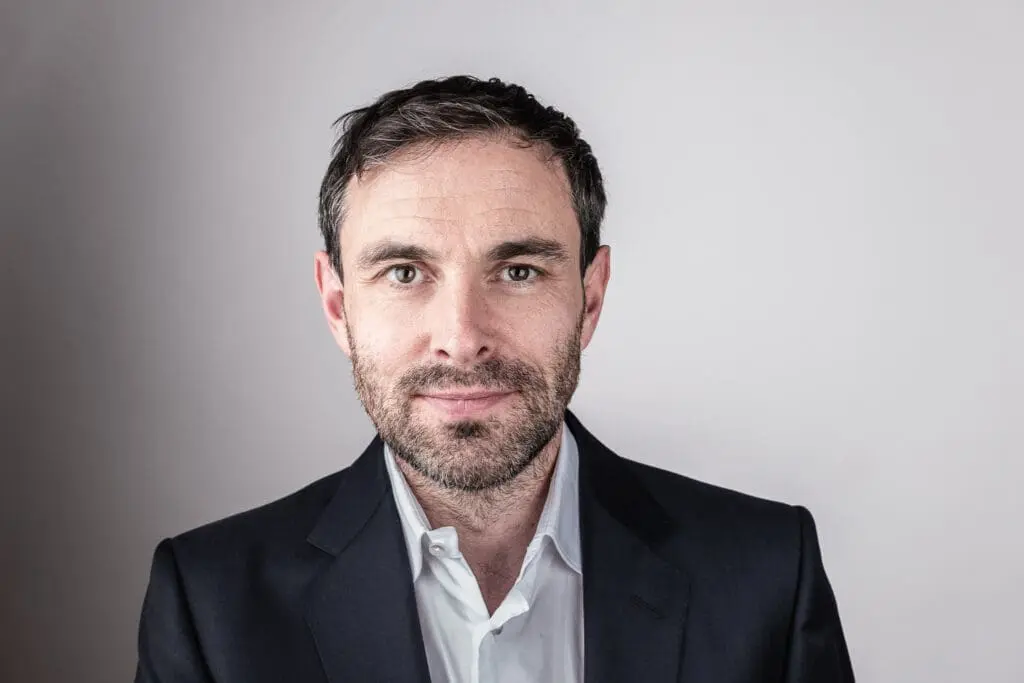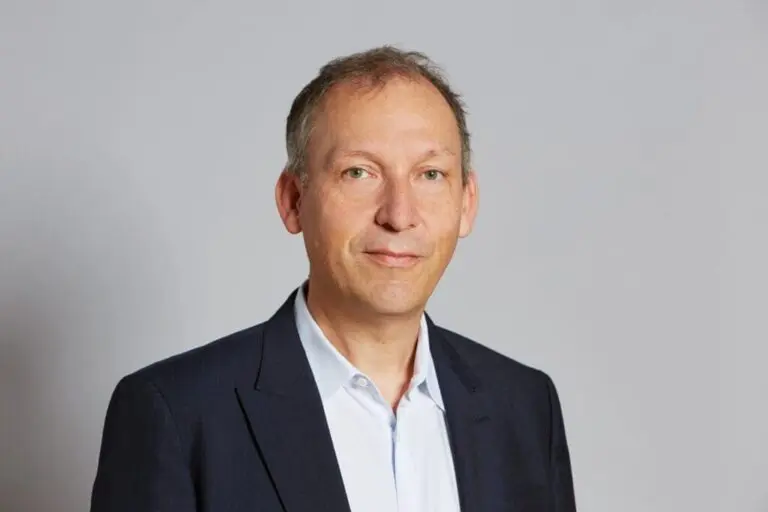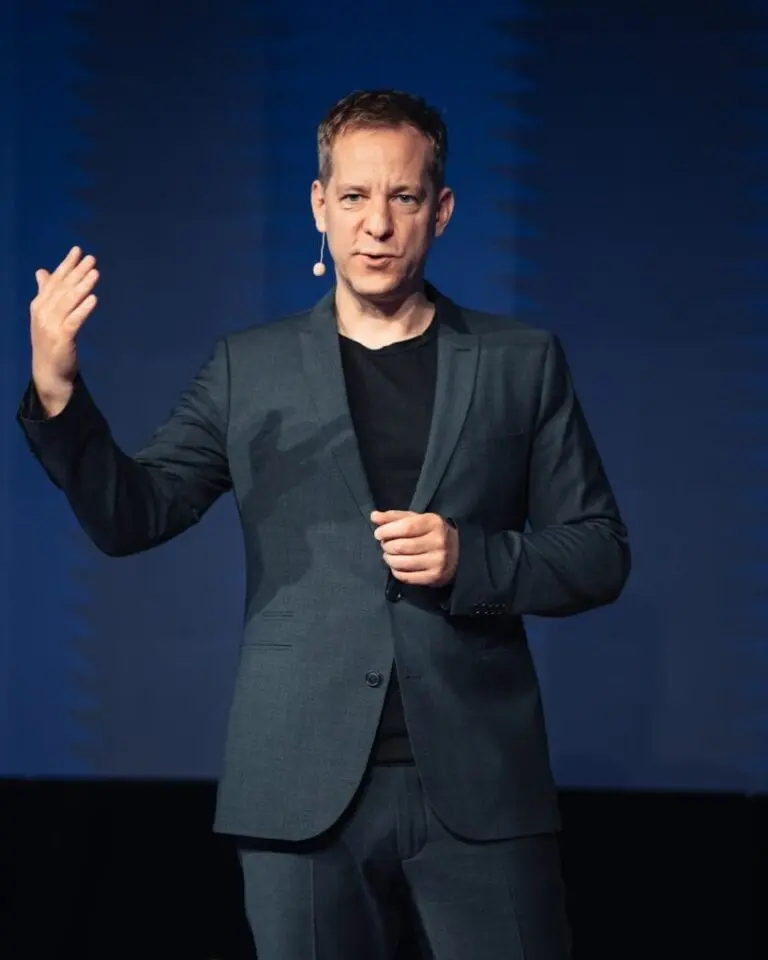











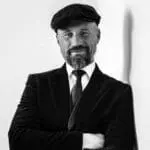
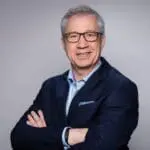
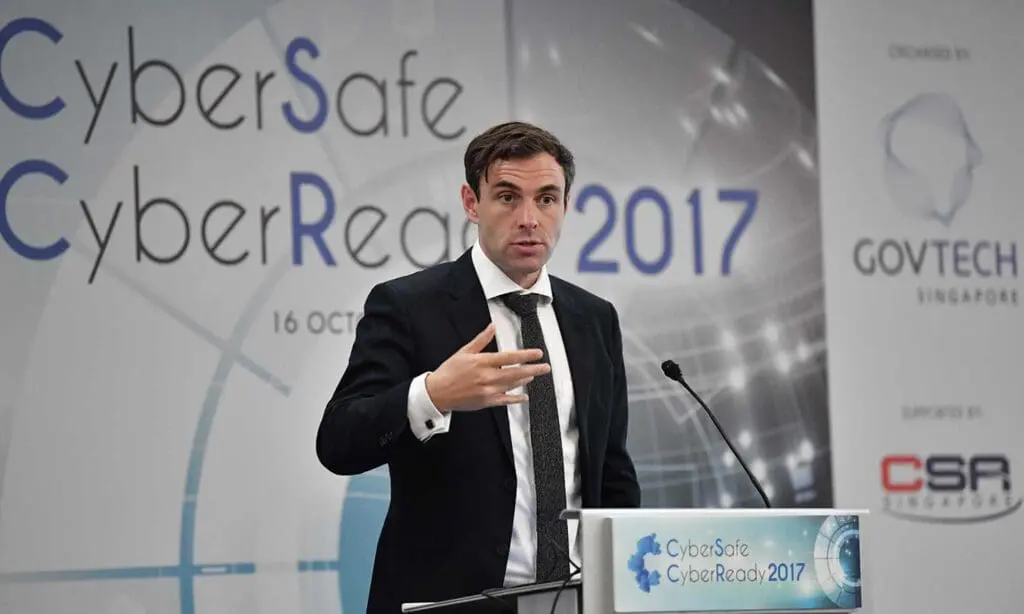
Marco Gercke is a consultant, entrepreneur, and scientist with expertise in cybersecurity and digital transformation.
Having delivered over 700 lectures across more than 100 countries and authored upwards of 100 scientific papers, he ranks among the foremost global authorities on cybersecurity and cybercrime. As the founder and director of the Cybercrime Research Institute, an independent research organization located in Cologne, he provides strategic, political, and legal advice to governments, organizations, and corporations worldwide. His clients have included NATO, the EU, and the G20, particularly in the areas of cybersecurity and digitalisation.
His book ‘Understanding Cybercrime’ has been translated into all official UN languages.
Marco Gercke Lecture topics
Marco Gercke is a seasoned speaker who customizes each lecture to the specific event. Organizers can discuss key themes during a preparatory briefing. Common lecture subjects include:
- Recent trends in cybersecurity and cybercrime
- Importance for executives and board members
- Effects on businesses and decision-makers
- Cyber incident simulation exercises
- Digitalisation, machine learning, and artificial intelligence
- The influence of AI on the economy, society, and politics
A key aspect of his work involves creating innovative strategies to address cybercrime, a critical challenge for governments and businesses in recent years. With 15 years of global experience, he possesses unique insights and expert knowledge in cybersecurity.
Besides delivering engaging and informative lectures, Marco Gercke leads ‘cyber incident simulations’ with governments and major corporations. These attack simulations, designed from a top management perspective, allow participants to evaluate their preparedness and response capabilities.
Another focus is on digitalisation and its impact, especially regarding machine learning and artificial intelligence. In the 1990s, Marco Gercke founded a company that developed machine learning technologies for software solutions in medical diagnostics, where he played a major role in the technology’s development. His second company, a media agency, applied machine learning and AI to enhance user interaction.
Currently, his work centers on advising international organizations and corporate boards about the opportunities and risks associated with digitalisation and artificial intelligence.