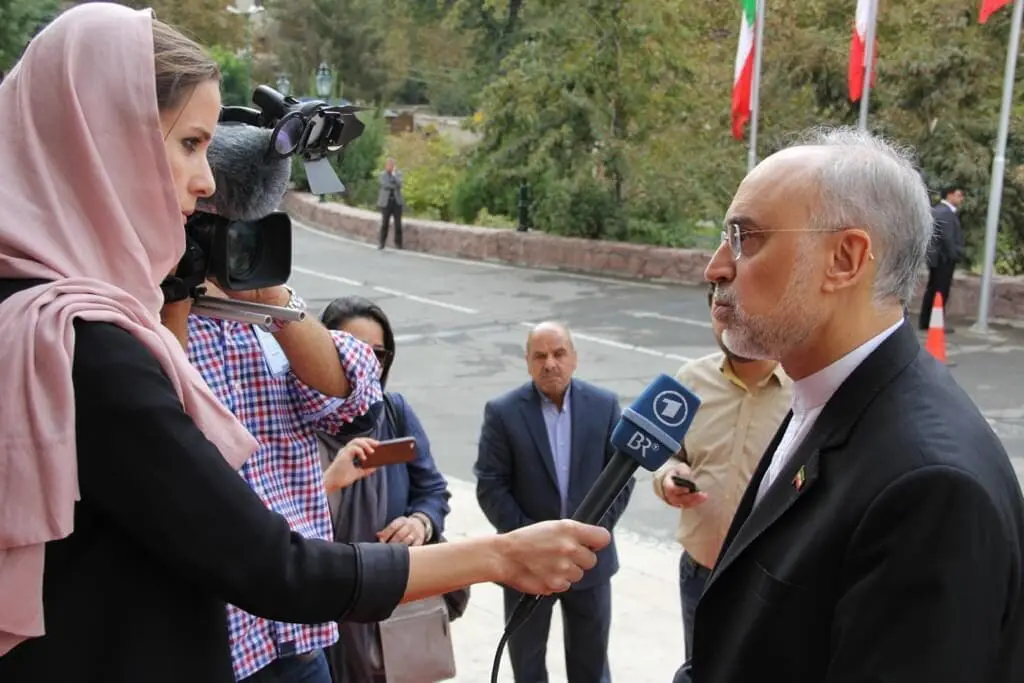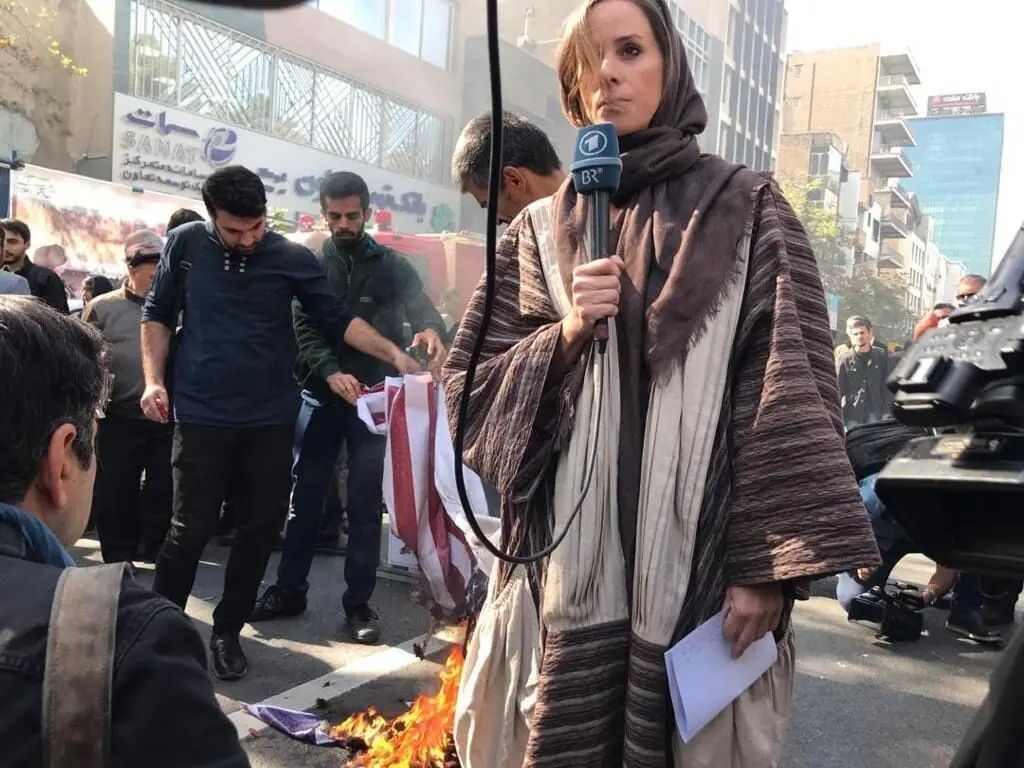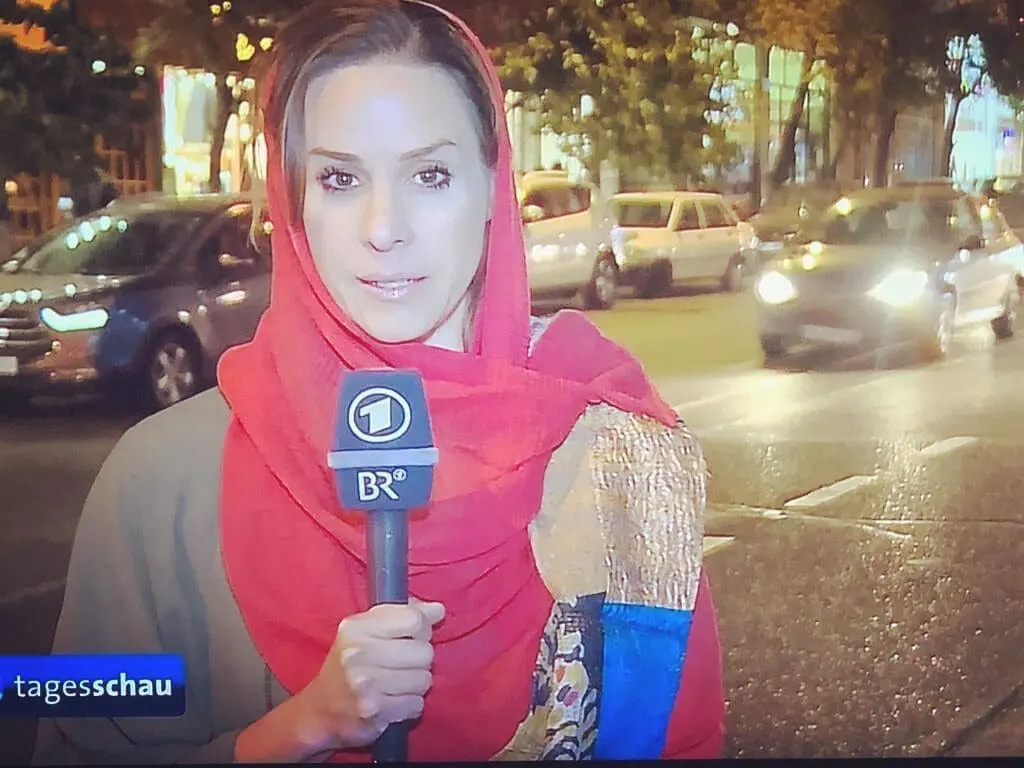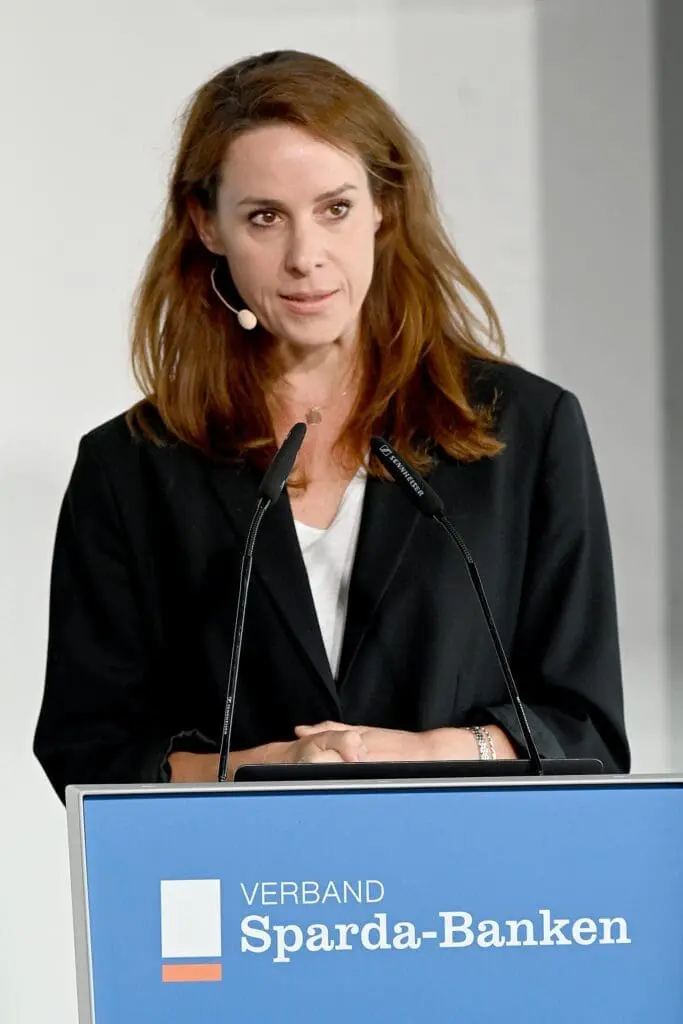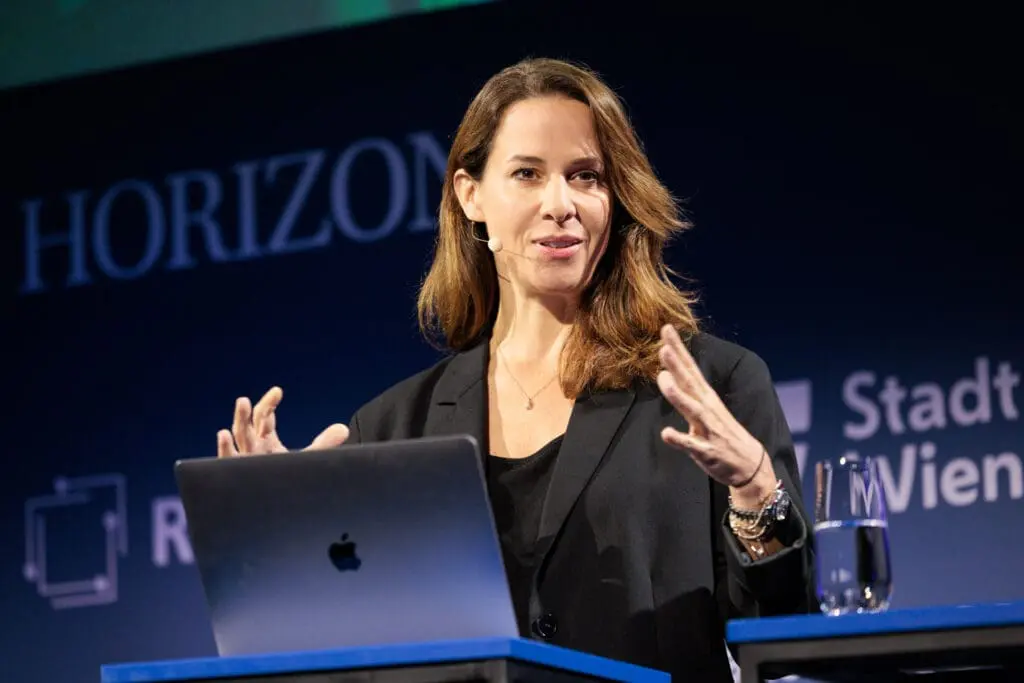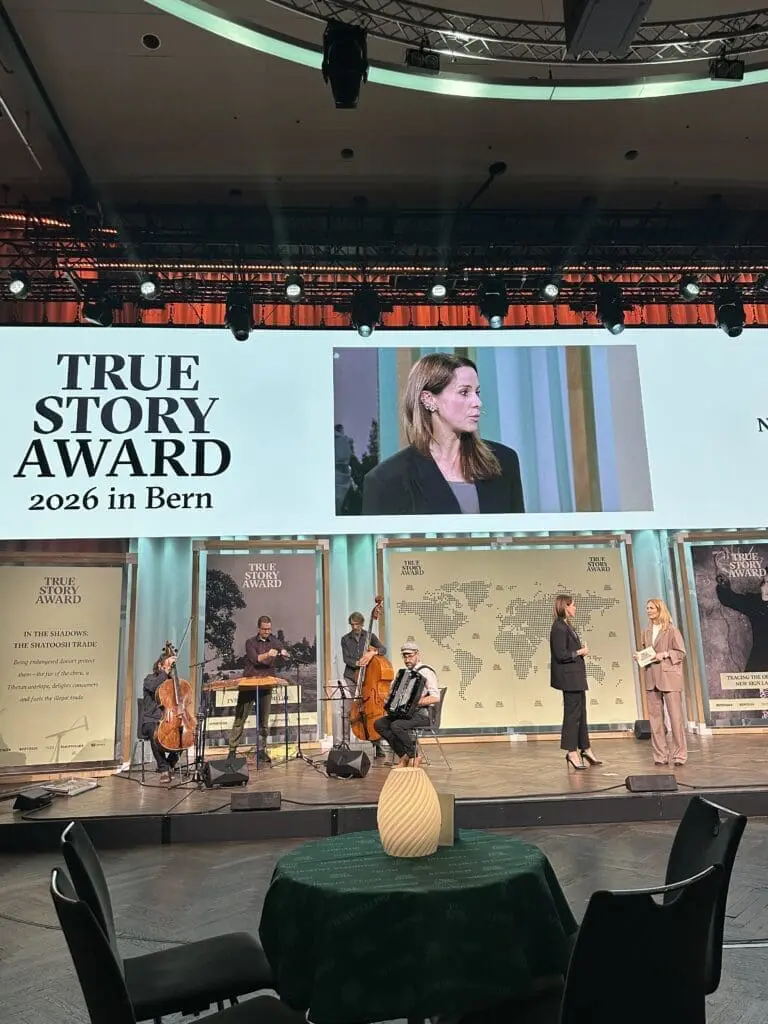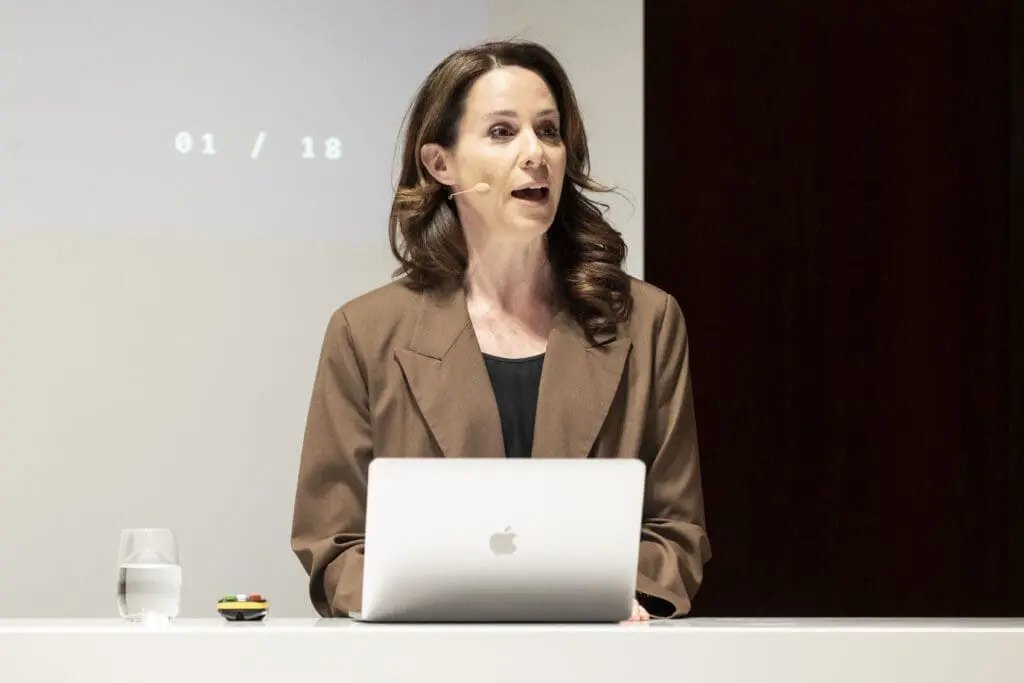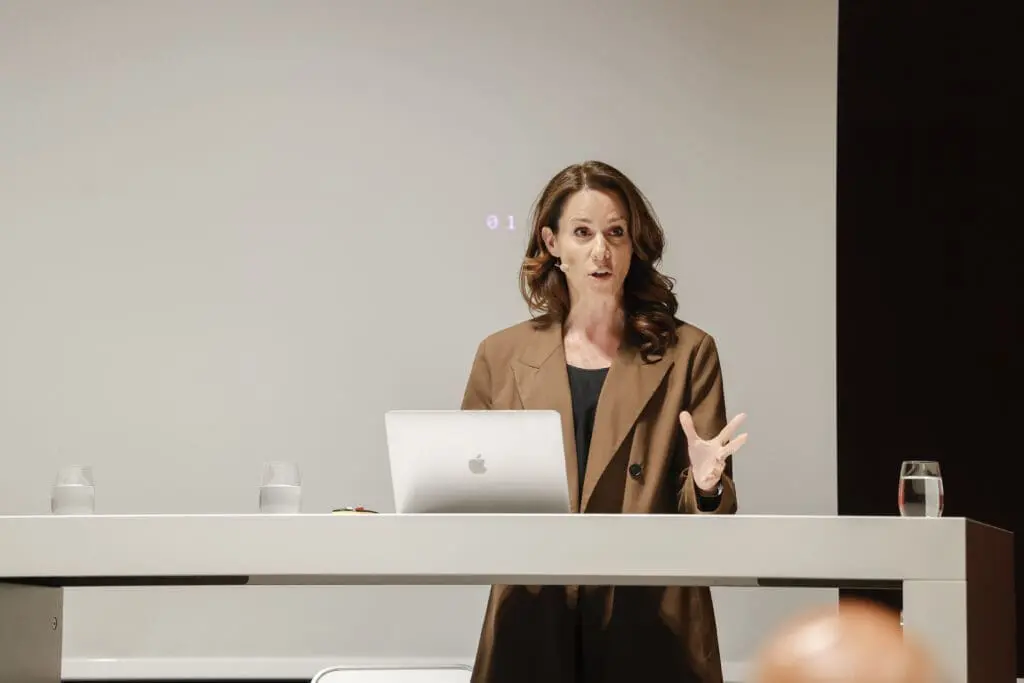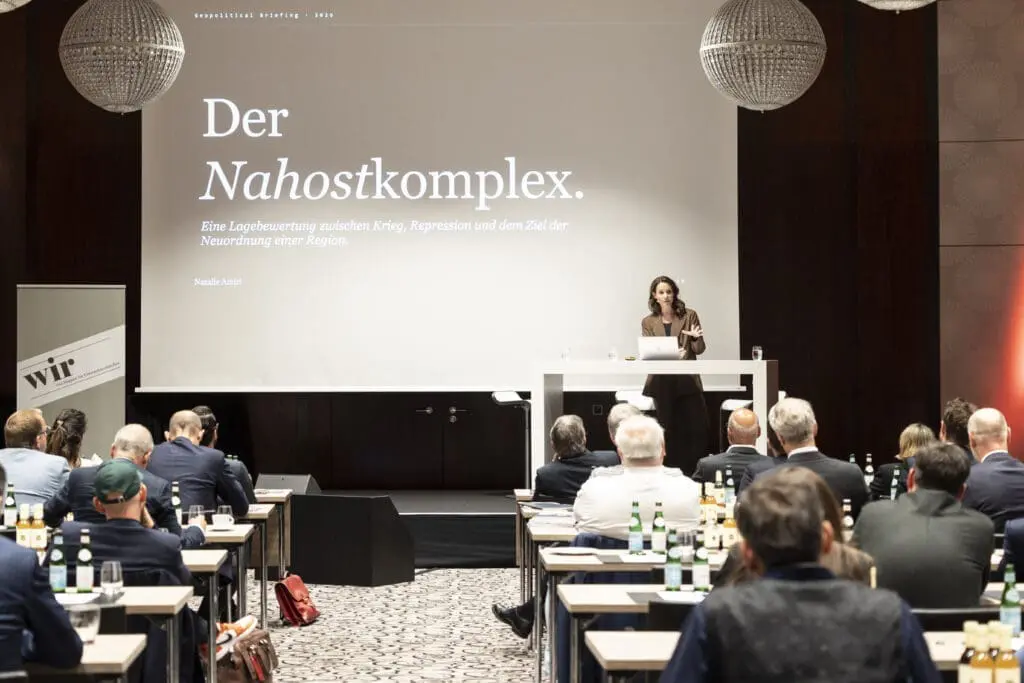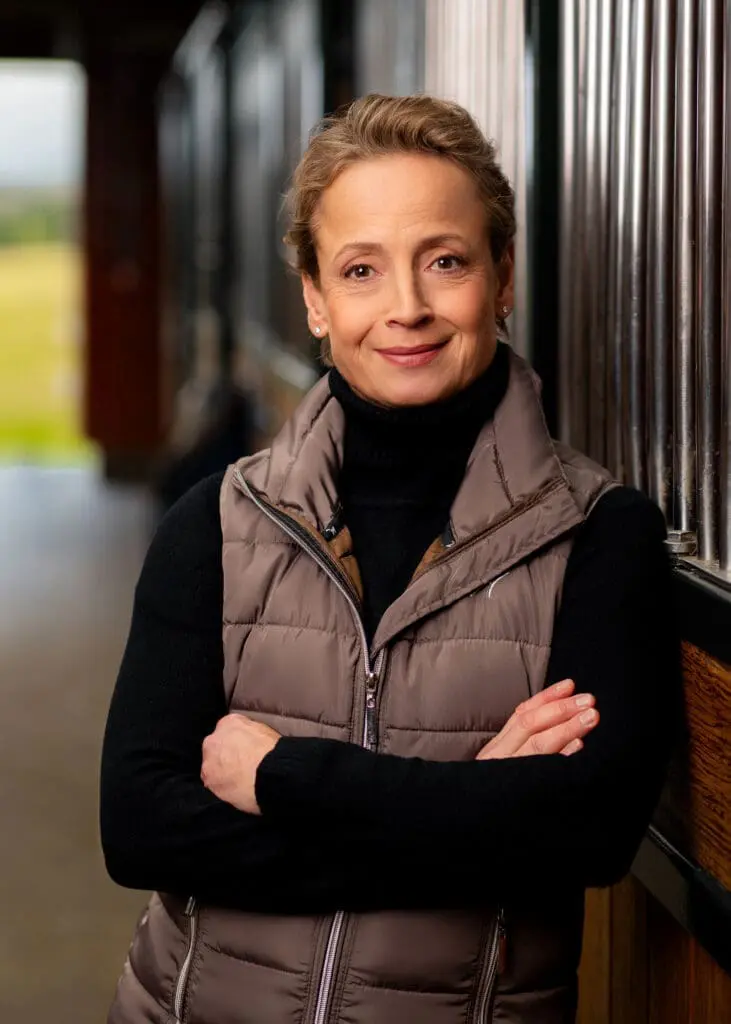











„I aim to amplify the voices of the Iranian people.“ Natalie Amiri
Natalie Amiri – What do you do when you cannot refuel your vehicle during a research trip in the Iranian mountains because gasoline is limited due to Western sanctions? What happens if your pants are deemed too short, resulting in the punishment of climbing into a barrel of black paint? And why did people continue to travel to Iran despite repeated warnings?
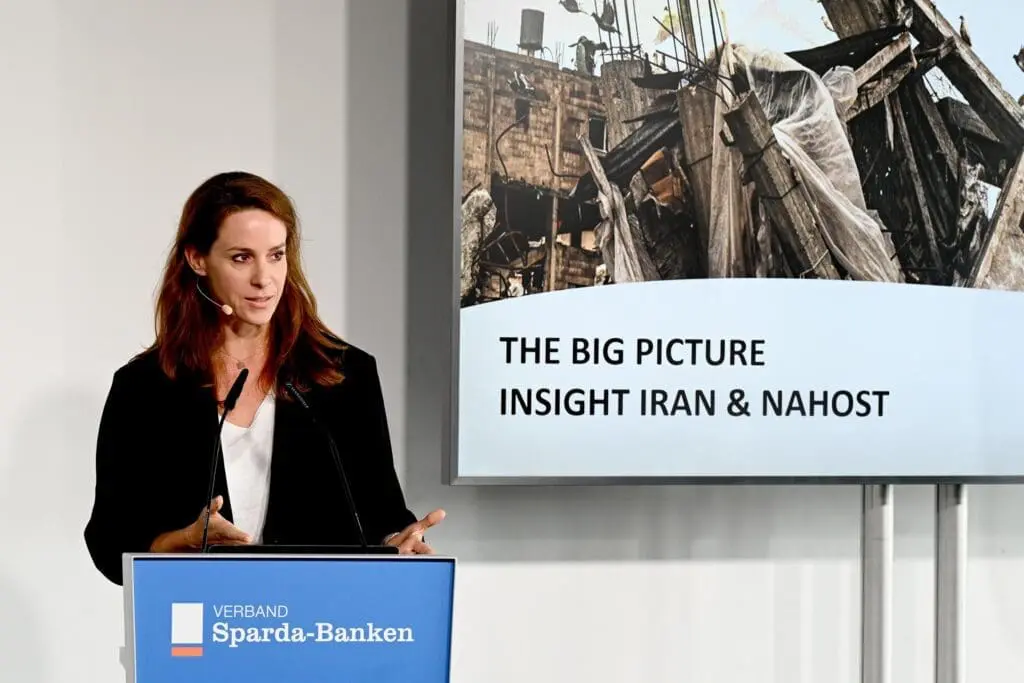
Natalie Amiri was raised in Munich within a German-Iranian family and spent over six years living and working in Tehran, the 11-million-strong capital of the Islamic Republic of Iran. She is among the few German journalists with in-depth knowledge of Iran, skillfully analyzing the international political developments related to the Islamic Republic. She authentically shares her experience living between two cultures and offers insight into the political evolution of Iran since the 1979 revolution.
Speaking topics Natalie Amiri
- Between Worlds: Power and Powerlessness in Iran
- Iran: Navigating Forbidden Parties and US Sanctions
- Between Persian Carpets & Bavarian Sandwiches – A Life Across Cultures
- War & Peace in the Middle East: The World’s Perspective
- Natalie Amiri: LIVE FROM IRAN – My Experience as a Foreign Correspondent
- Fear of the Middle East? How the Arab World Exploits Our Crisis
In her book, Natalie Amiri explains why she sometimes “follows” Persian-speaking tourists in Munich and listens as chadors are aired. The book portrays a modern young woman and brave journalist who takes significant personal risks to give Iranians a voice and report on daily life in a country caught between forbidden parties and U.S. sanctions.
With urgency, Natalie Amiri highlights the imprisonment of the Iranian people and critiques the European approach as naive and uninformed. She shares detailed, compelling stories from Iranians, placing political events in a comprehensive context through her observations. From teachers to drug addicts, from leader Khomeini to Iran’s first female soccer star, Amiri gives everyone a platform, revealing unexpected facets of the Muslim Republic of Iran.
The daughter of a German and an Iranian, she studied Oriental and Islamic Studies at Otto Friedrich University in Bamberg. A DAAD scholarship enabled her to study at universities in Tehran and Damascus. In 2007, she began working for the ARD bureau in Tehran. Since 2011, she has represented ARD correspondents in studios including Istanbul, Athens, and Rome.
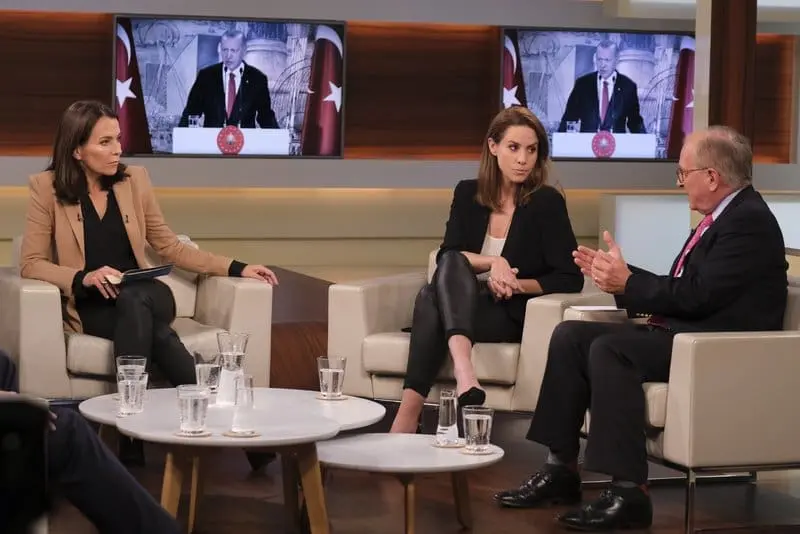
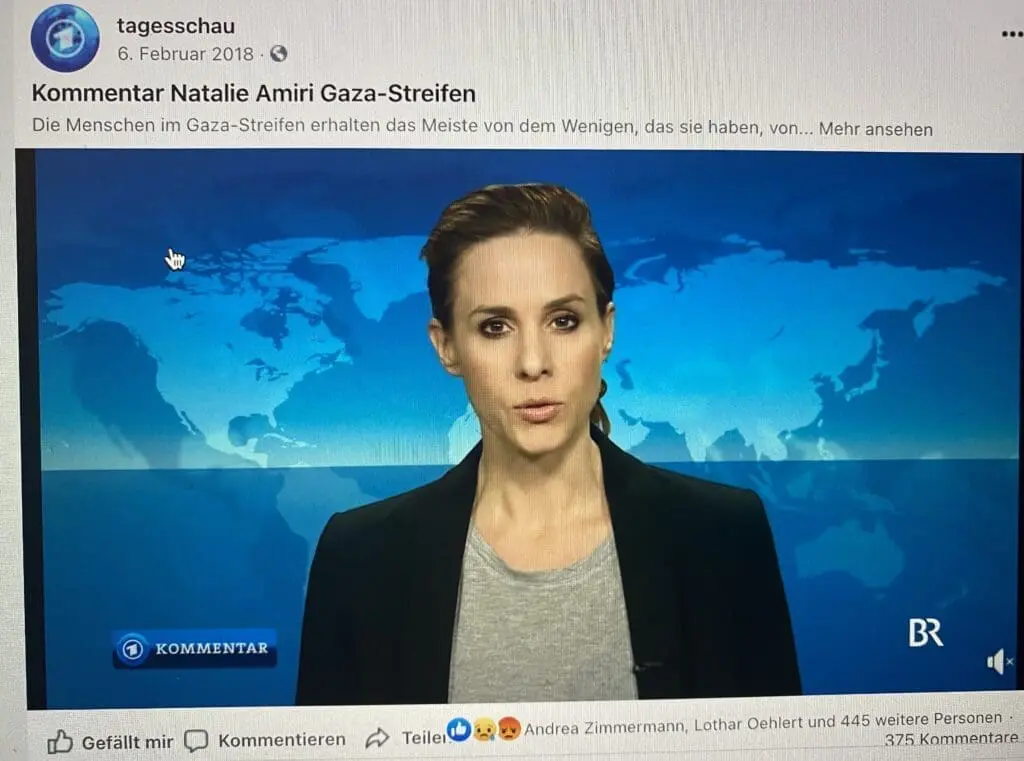
Natalie Amiri is recognized for her courageous investigative journalism, insightful commentaries on Tagesthemen, and compelling interviews and reports.
Her award-winning work includes the ARD documentary “Death off Lampedusa – Europe’s Fall from Grace” and the Grimme Award-nominated film “Disappeared in Germany,” which investigates missing underage refugees. In 2019, she was nominated for the German Television Award as best foreign correspondent.
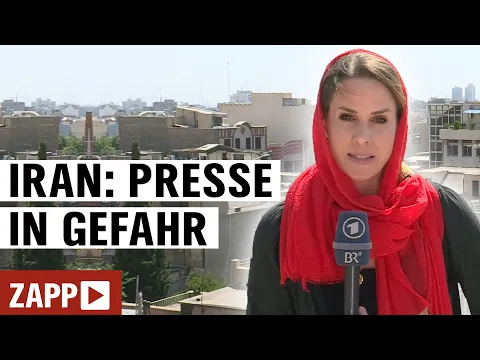
Since March 30, 2014, she has hosted “ARD-Weltspiegel” from Munich and the BR-Europe magazine “Euroblick.” She also led the ARD bureau in Tehran from 2015 until May 2020, when the German Foreign Office advised her not to enter Iran, forcing her to relinquish the bureau leadership.
More about Natalie Amiri
Born in 1978, Natalie Amiri grew up in middle-class Munich surrounded by Persian carpets, liver cheese sandwiches, and organic food. Her father established one of the city’s most renowned carpet stores, while her mother instilled a love for organic food, Waldorf education, and a holistic lifestyle uncommon at the time.
When reporting from “her Iran,” Natalie Amiri covers everything from her Persian grandmother’s toadstool costume at Mardi Gras to the global political impact of Iranian Revolutionary Leader Khamenei’s recent speech. As host of ARD Weltspiegel, she conveys her perspective on Iran, her affection for its people and culture, and the significance of the autocratic religious leadership for the population.
Natalie Amiri studied Oriental and Islamic Studies at Otto Friedrich University in Bamberg. Supported by a DAAD scholarship, she studied at Tehran and Damascus universities. After graduating with honors, she moved from Franconia to Tehran, initially working at the German Embassy before joining ARD in 2007, recruited by her predecessor, Iran correspondent Peter Mezger.
“There are remarkable stories to tell from this country,” the half-Iranian journalist reflects. “I see my role as a journalist not only to challenge Western stereotypes about Iran but also to highlight the many remarkable people. I want to give a voice to those who risk their lives in the Islamic Republic by sharing their often difficult daily experiences. Life in Iran feels more intense and frequently much harder. I am deeply moved by the people’s fate there. That is why I consider it my duty to remind people that freedom and peace are normal for us in Germany, but we must never take them for granted!”